
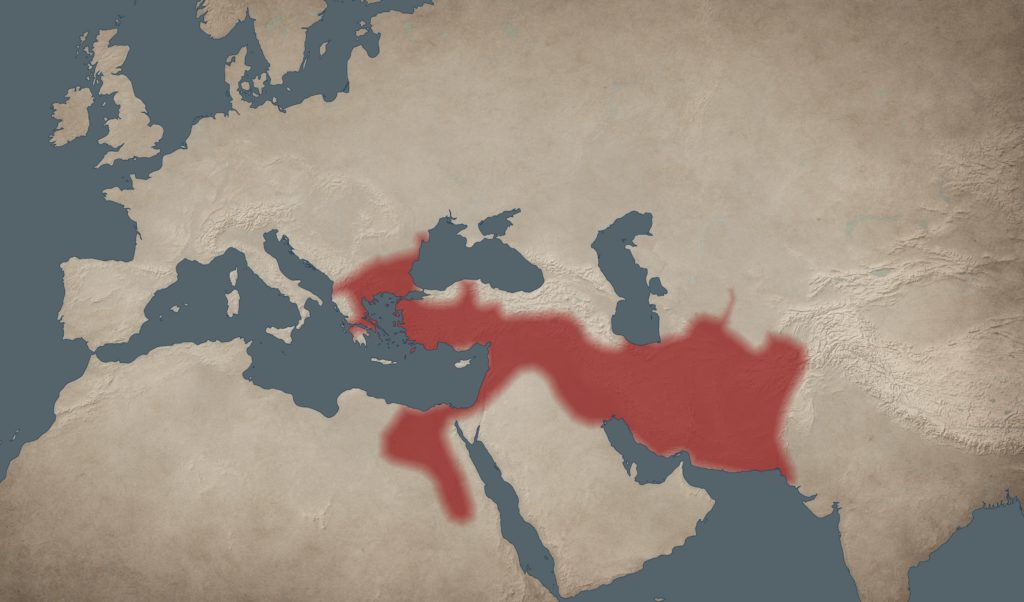
The Macedonian Army of Philip II and Alexander the Great
The Macedonian army forged by Philip II of Macedon and perfected by his son Alexander the Great was one of the most innovative and effective military systems of the ancient world. Emerging from a once-marginal kingdom on the northern edge of the Greek world, Macedonia was transformed into a dominant military power through reform, discipline, and tactical brilliance.
Philip II inherited a vulnerable state surrounded by hostile neighbors. Drawing lessons from Greek hoplite warfare, Thracian and Illyrian fighting styles, and innovations encountered during his youth in Thebes, Philip created a professional standing army loyal to the Macedonian crown. Soldiers were trained year-round, equipped at state expense, and organised into permanent units, marking a decisive break from the part-time citizen militias common in Greece.
At the core of the Macedonian army stood the phalanx, armed with the sarissa — a massive pike measuring up to six metres in length. Wielded two-handed and supported by smaller shields strapped to the forearm, the sarissa allowed Macedonian infantry to project an impenetrable forest of spear points far beyond the reach of traditional hoplites. Though less heavily armoured than their Greek counterparts, the phalangites relied on cohesion, drill, and depth to dominate the battlefield.
The true genius of the Macedonian system lay in its combined-arms doctrine. The phalanx served as the anvil, fixing the enemy in place, while elite formations delivered decisive blows. Chief among these was the Companion Cavalry (Hetairoi), heavily armed horsemen drawn from the Macedonian nobility. Fighting in wedge formations and led personally by the king, the Companions were shock cavalry par excellence, capable of shattering enemy lines once weaknesses were exposed.
Supporting forces added flexibility and reach. Hypaspists — elite infantry positioned between phalanx and cavalry — protected vulnerable flanks and operated effectively in broken terrain. Light troops such as Thracian peltasts, Cretan archers, and Agrianian javelinmen screened the army, harassed enemies, and exploited rough ground where the phalanx could not operate. Engineers, siege specialists, and logistical trains allowed Macedonian armies to conduct extended campaigns far from home.
Under Alexander, this military machine was driven across Asia with relentless momentum. Tactical adaptability became its defining feature: Macedonian forces fought in deserts, mountains, river valleys, and fortified cities, repeatedly defeating numerically superior enemies, including the vast armies of the Achaemenid Persian Empire. Leadership from the front, aggressive maneuver, and precise coordination between units allowed Alexander to win battles through decisive shock rather than attrition.
By the time of Alexander’s death in 323 BCE, the Macedonian army had reshaped warfare across the eastern Mediterranean and Near East. Though his empire fractured soon after, the military system Philip and Alexander created endured, forming the foundation of Hellenistic warfare for centuries and influencing Roman military development in the generations that followed.
Macedonians 15mm STL files
The army list here is intended to represent the armies of Phillip the II and Alexander the Great ca. 360 – 323BCE
Where possible I have sculpted models to be self supporting. I add supports during my sculpting process rather than afterward. The integration of supports into design allows me to reduce the number of supports needed, and to position them more favourably. My supports need to be removed with clippers or a scalpel. All models requiring supports are also supplied in an unsupported format in case you would prefer to have full control over support placement.
-
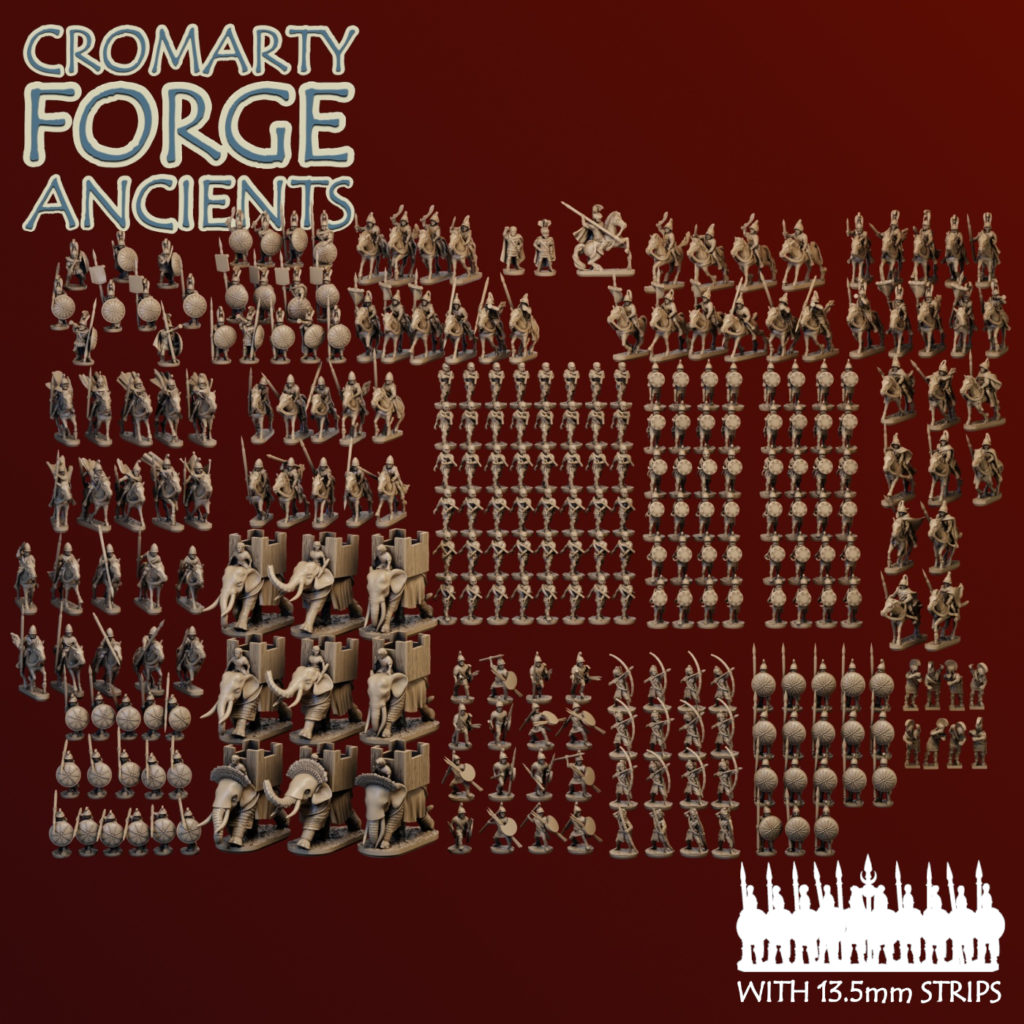
15mm Macedonian: Army
£45.00 -
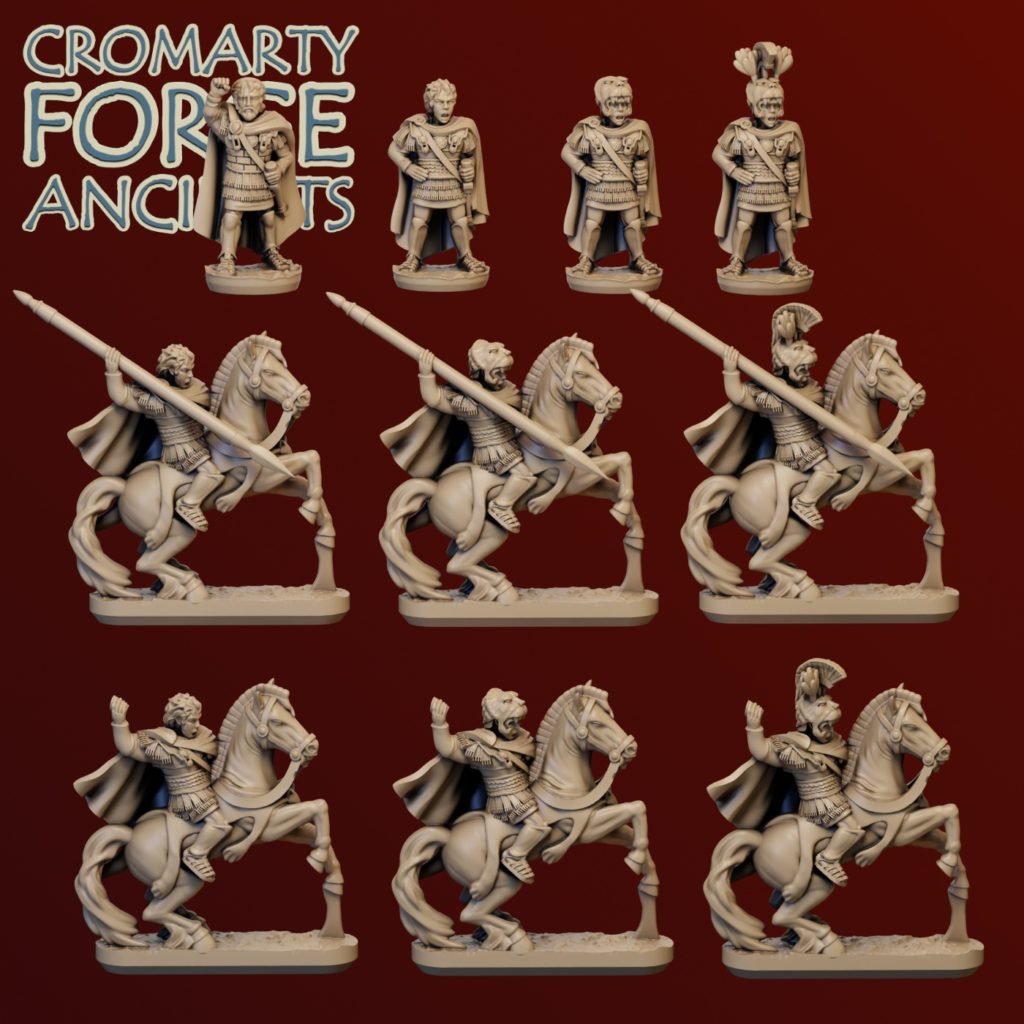
15mm Macedonian: Generals
£3.00 -
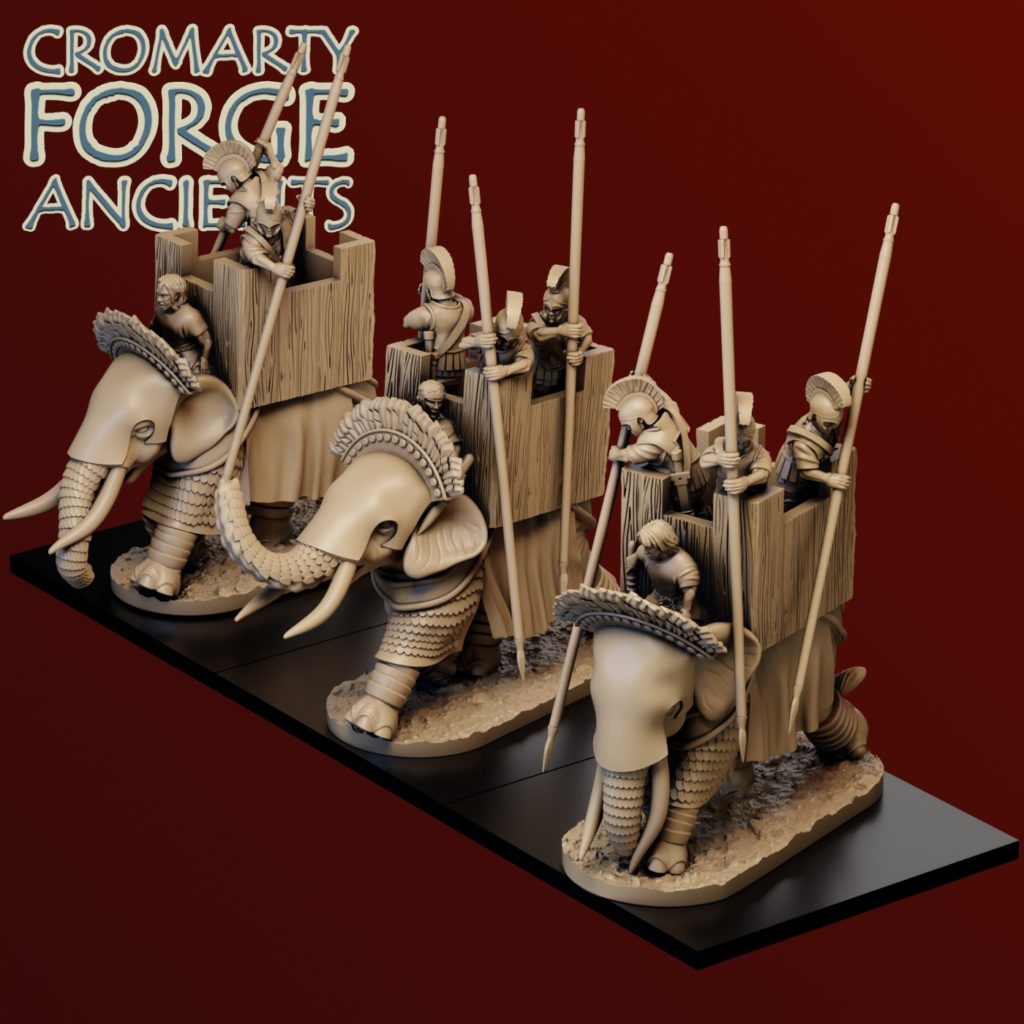
15mm Macedonian: War Elephants
£8.00 -
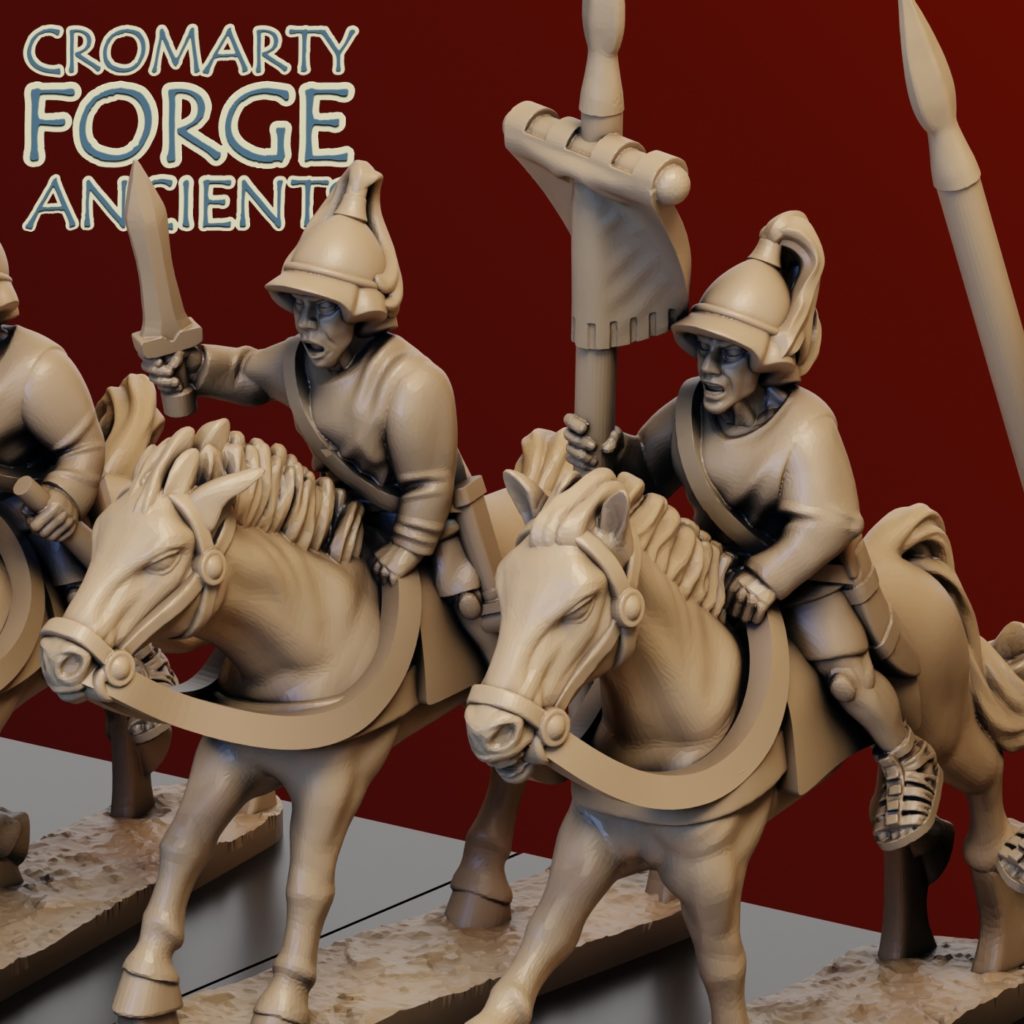
15mm Macedonian: Cavalry Command
£7.00 -
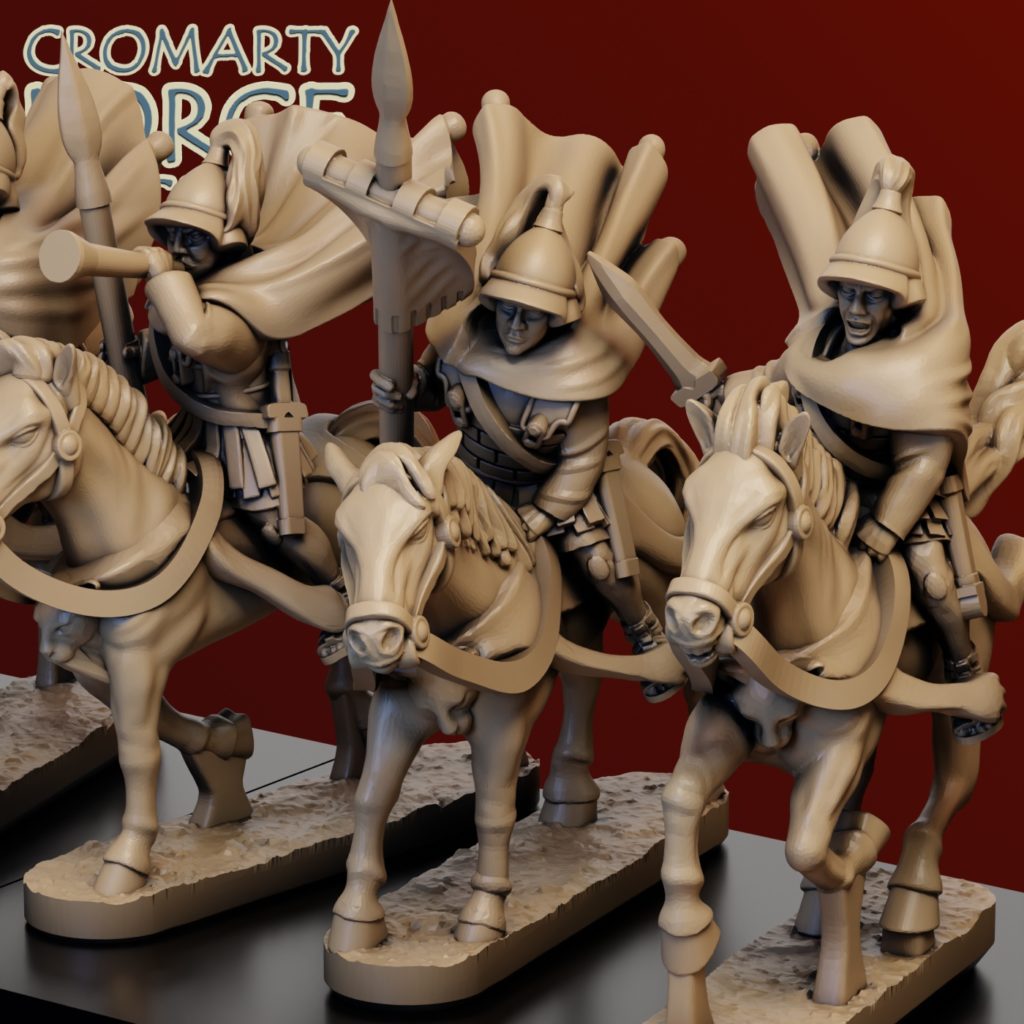
15mm Macedonian: Greek Cavalry Command
£7.00 -
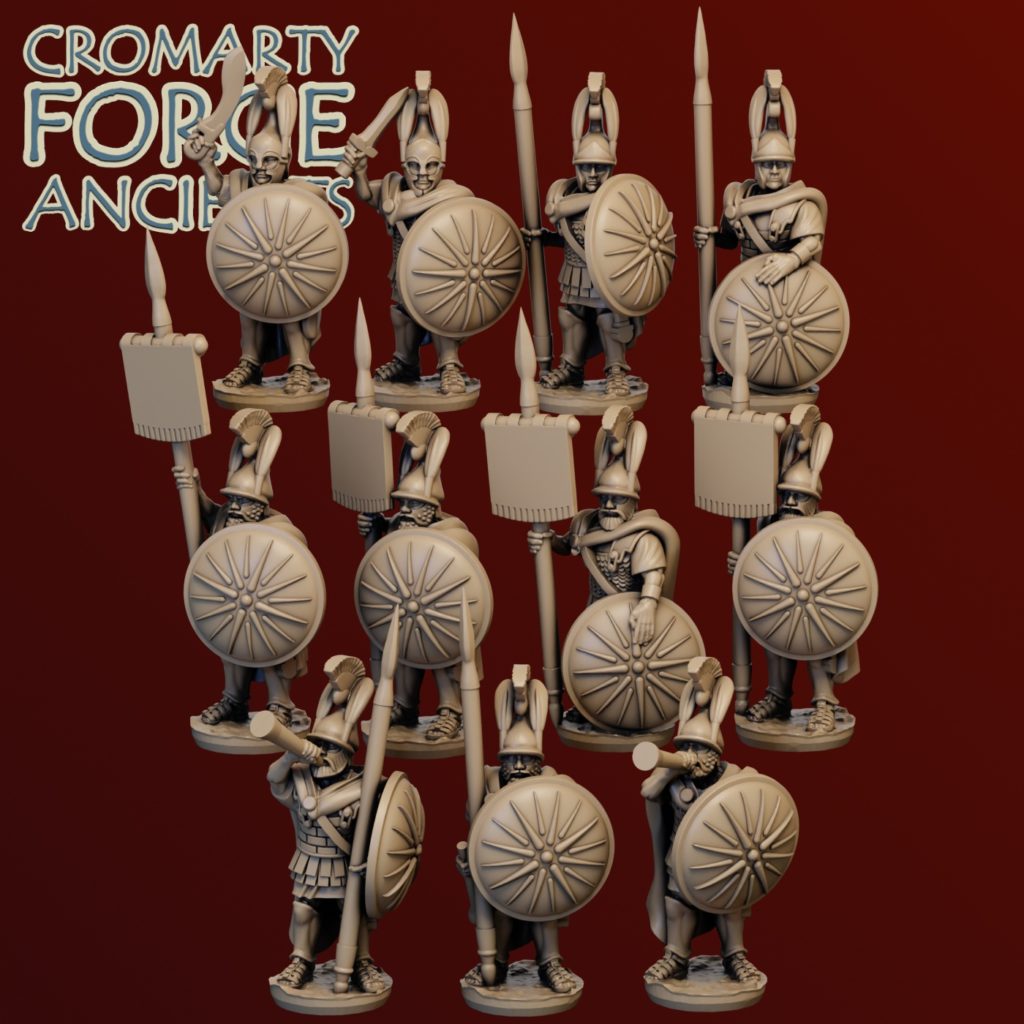
15mm Macedonian: Hypaspists Command
£7.00 -
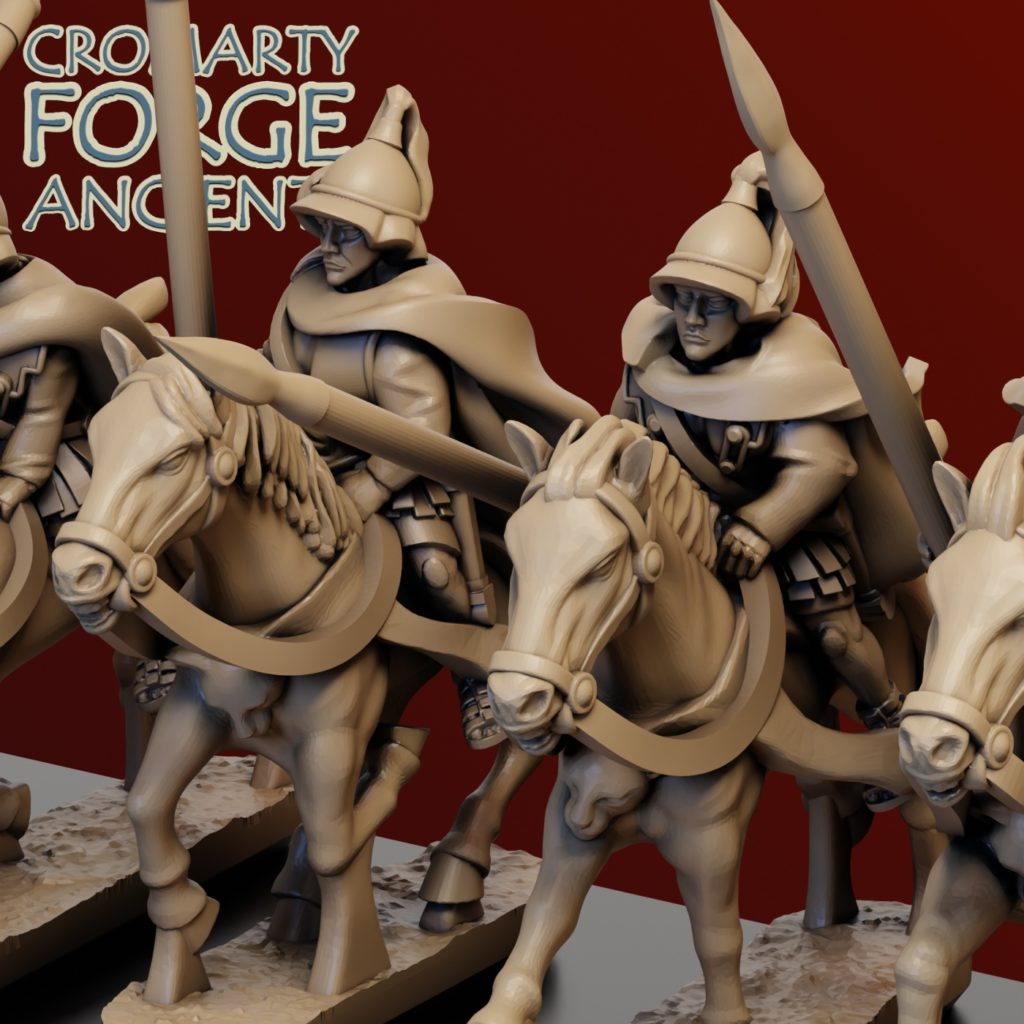
15mm Macedonian: Companion Cavalry
£7.00 -
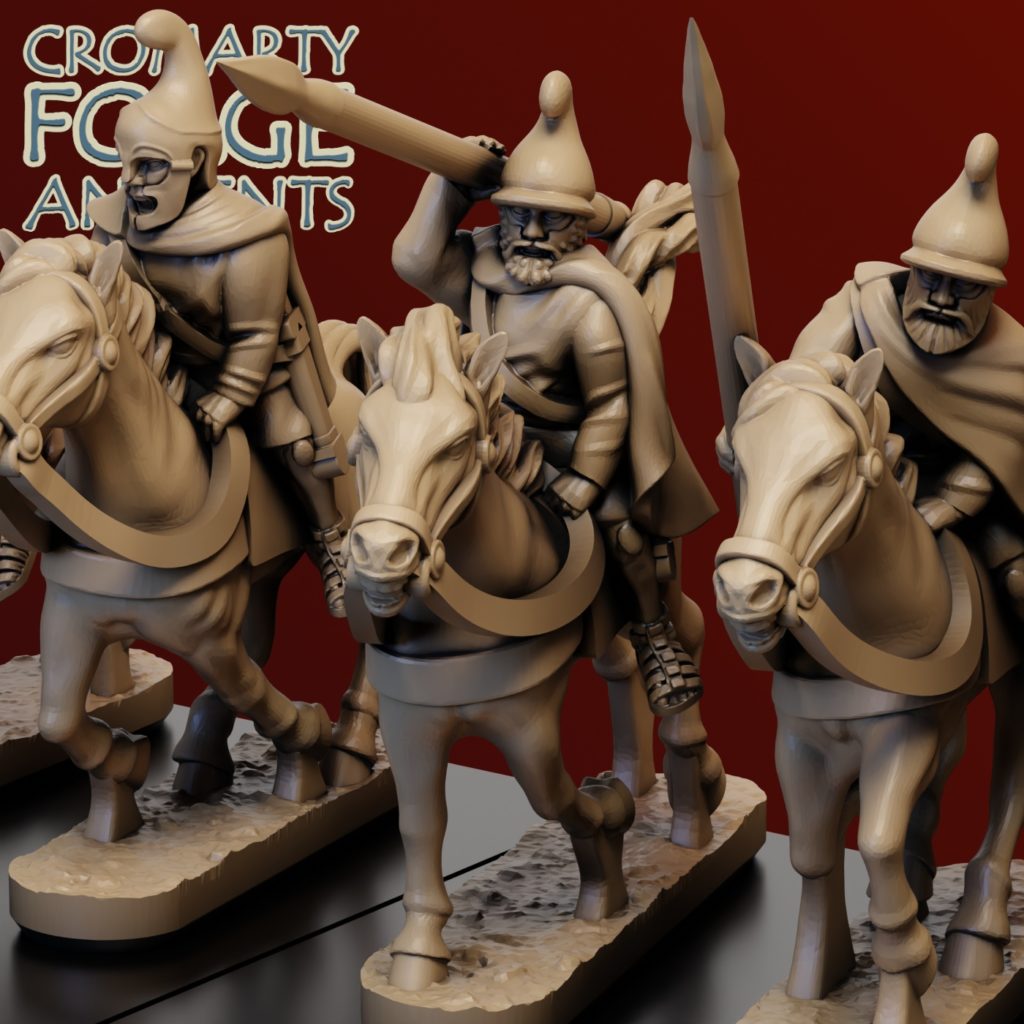
15mm Macedonian: Prodromoi
£6.00 -
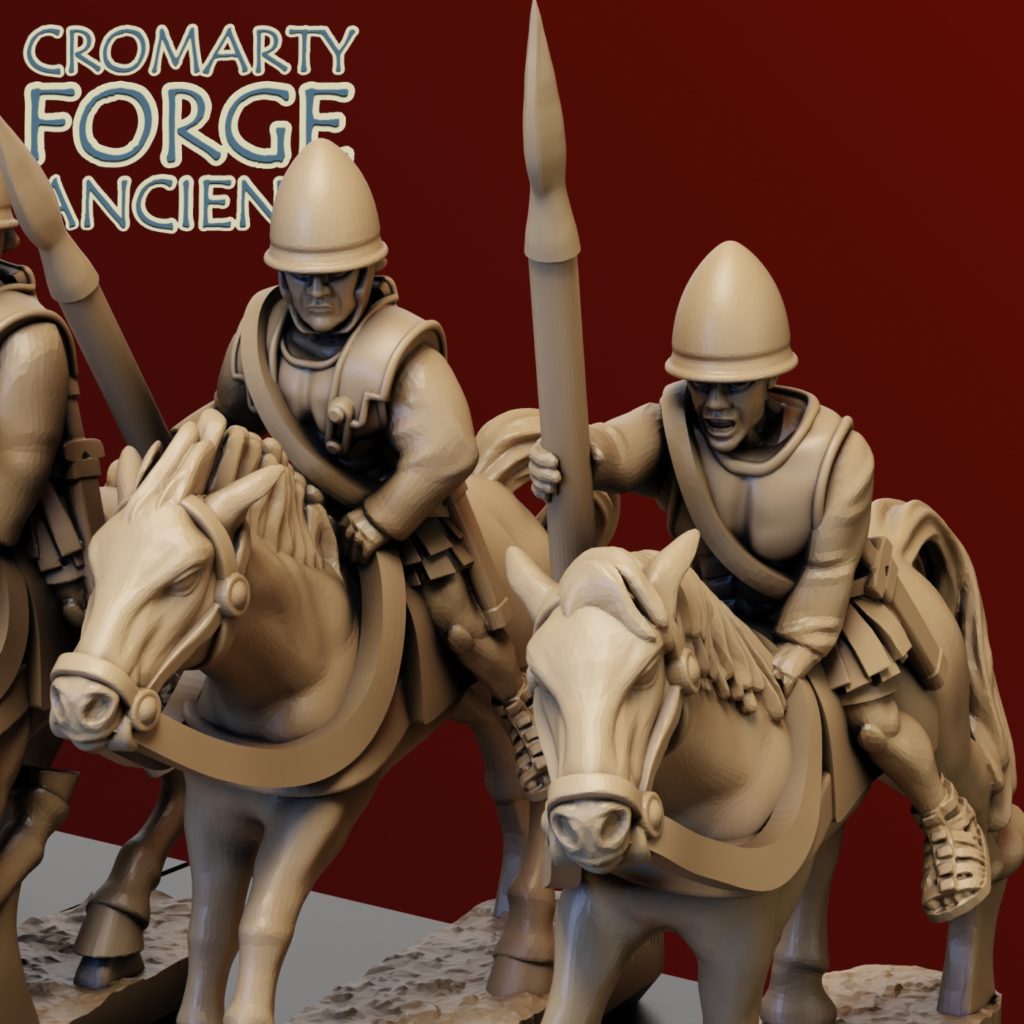
15mm Macedonian: Greek Cavalry
£7.00 -
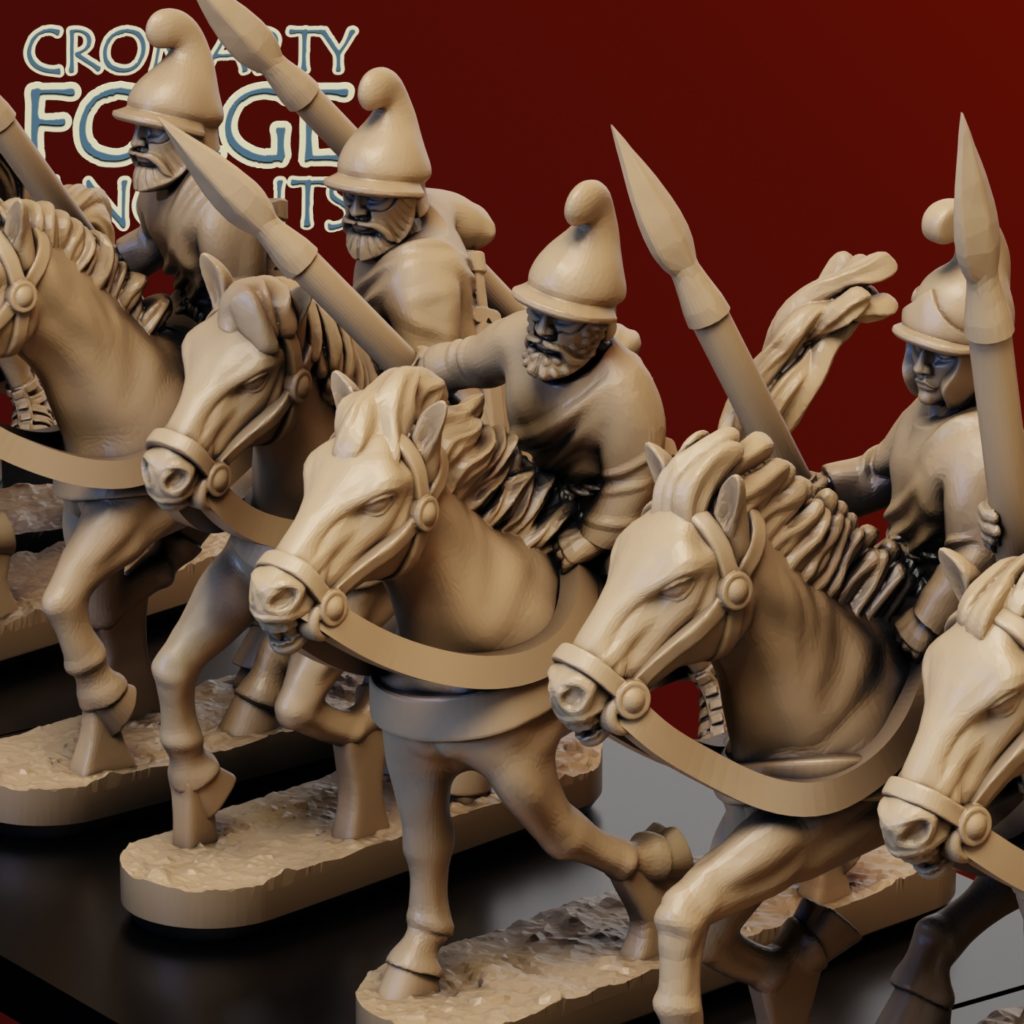
15mm Macedonian: Greek Light Cavalry
£6.00 -
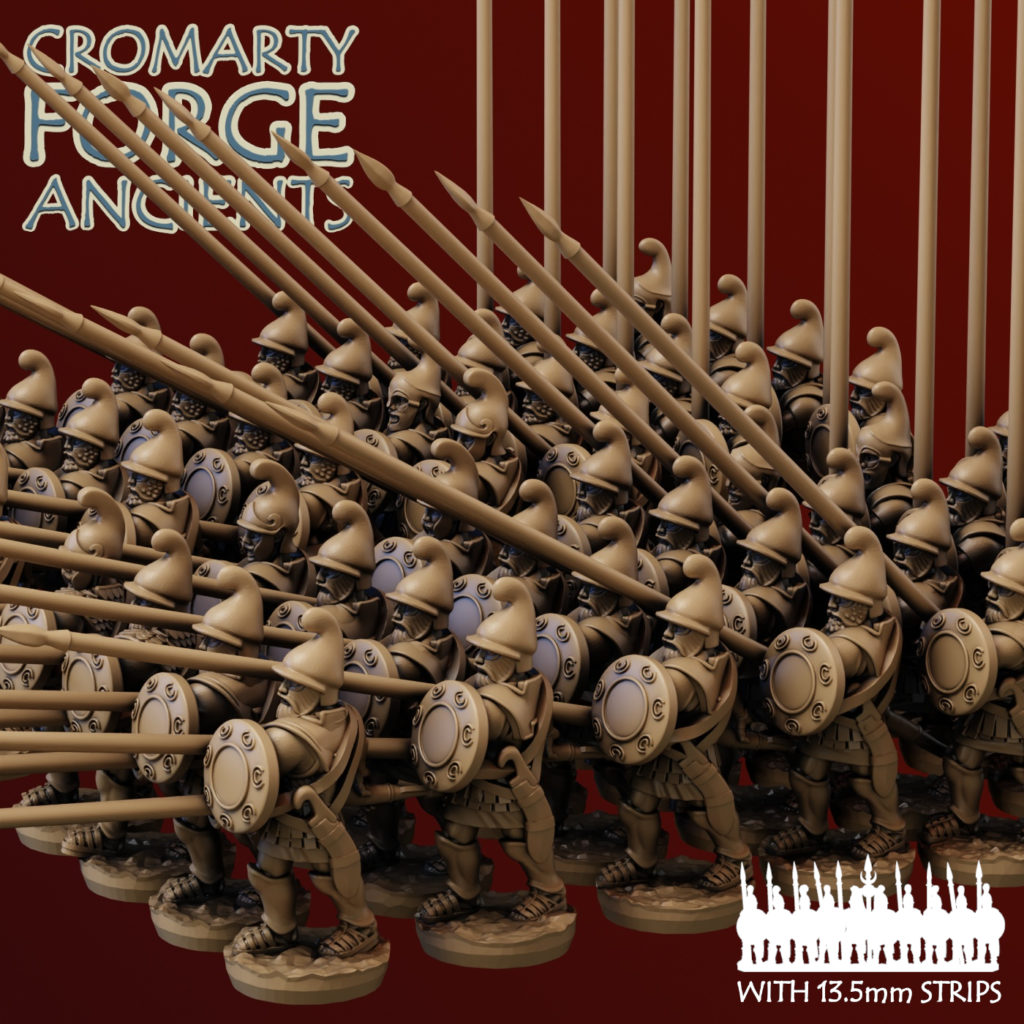
15mm Macedonian: Phalangites
£10.00 -
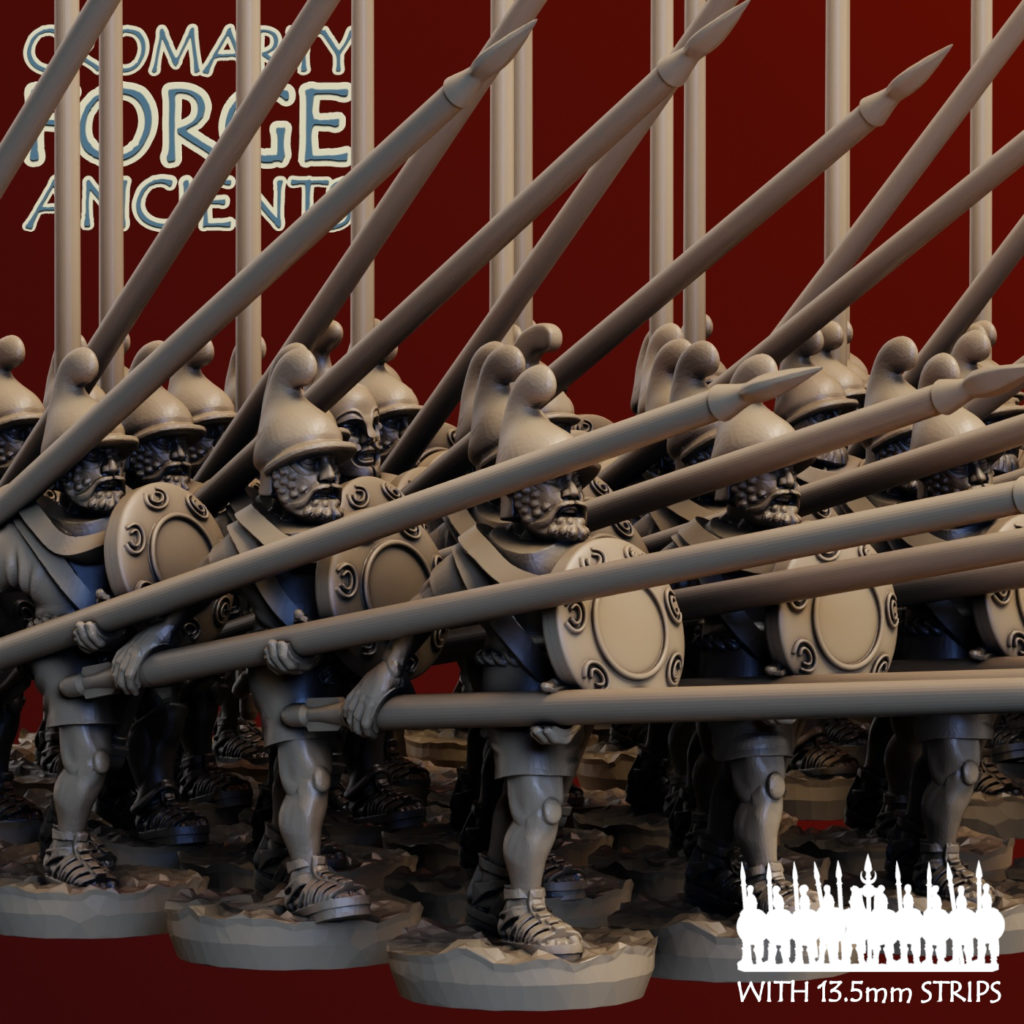
15mm Macedonian: Light Phalangites
£10.00 -
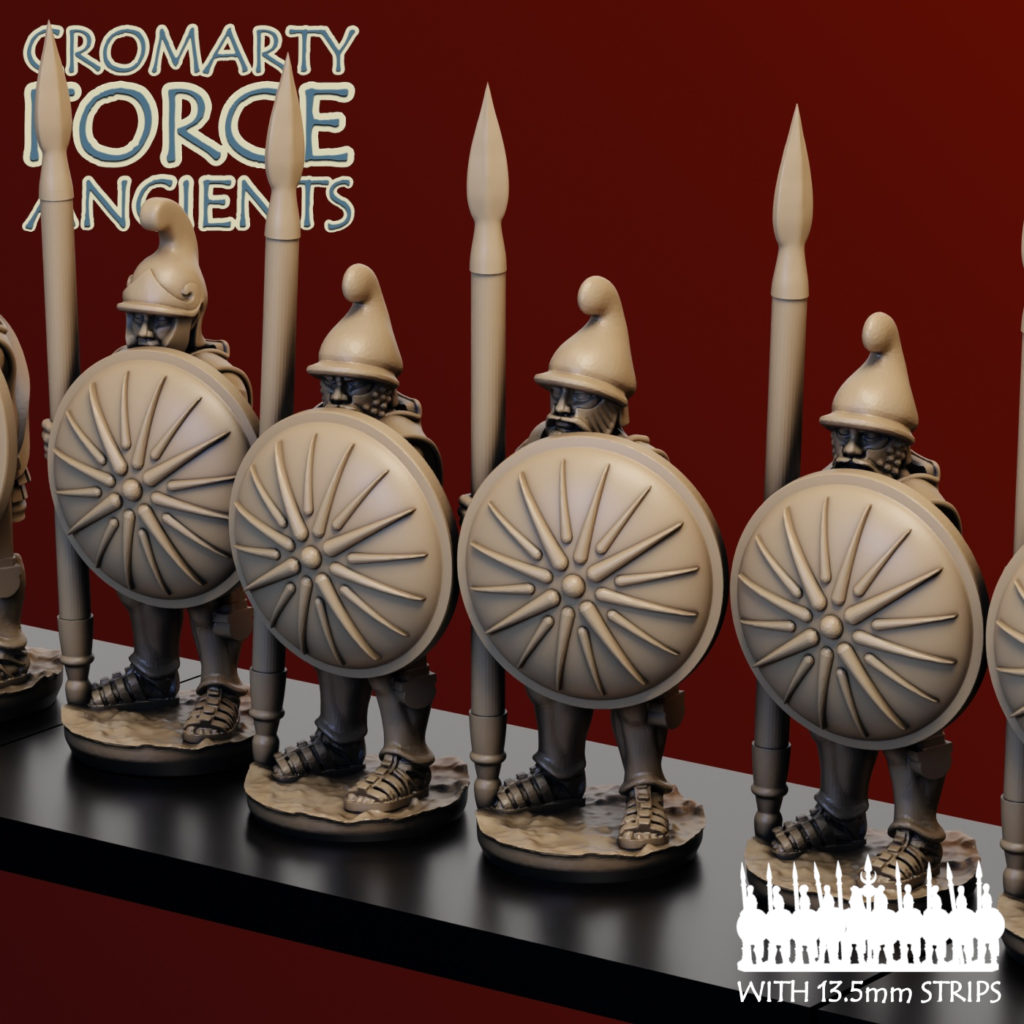
15mm Macedonian: Hypaspists
£8.00 -
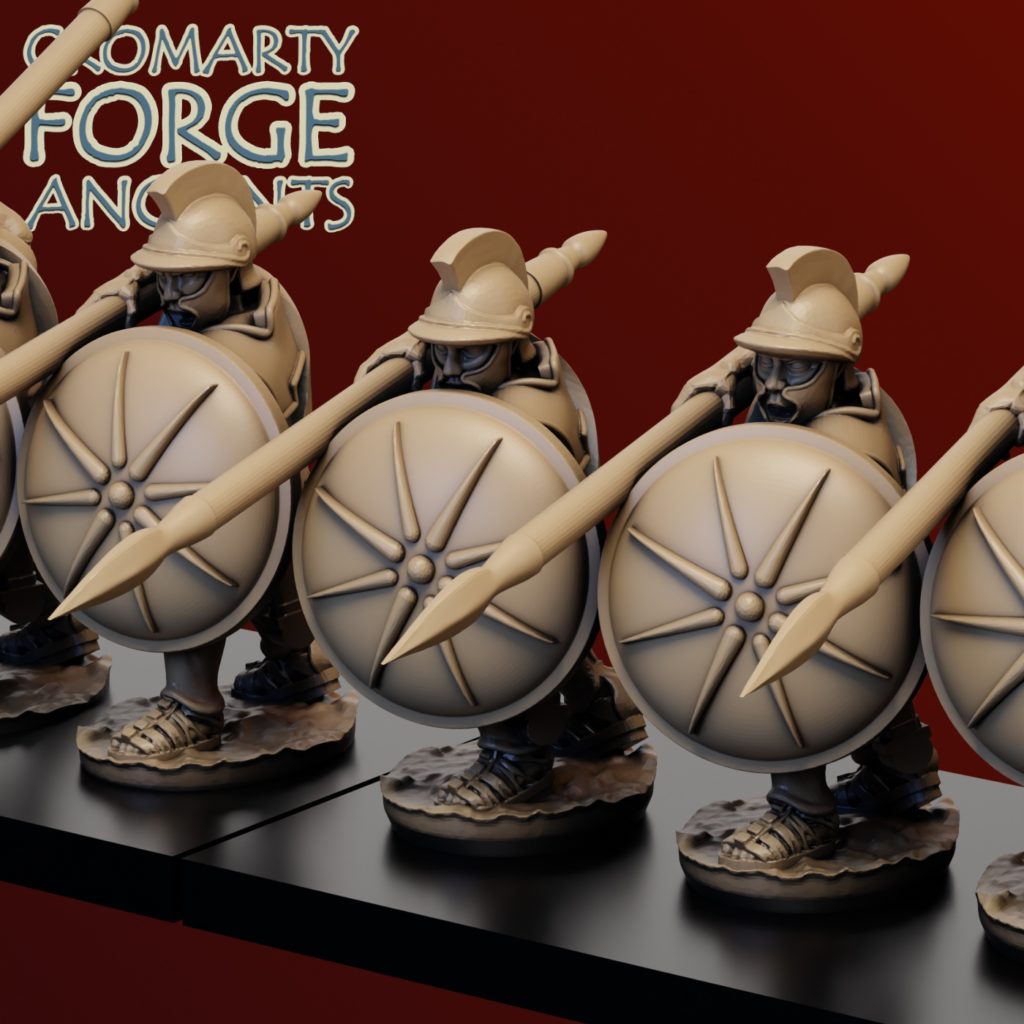
15mm Macedonian: Hypaspists Attacking
£8.00 -
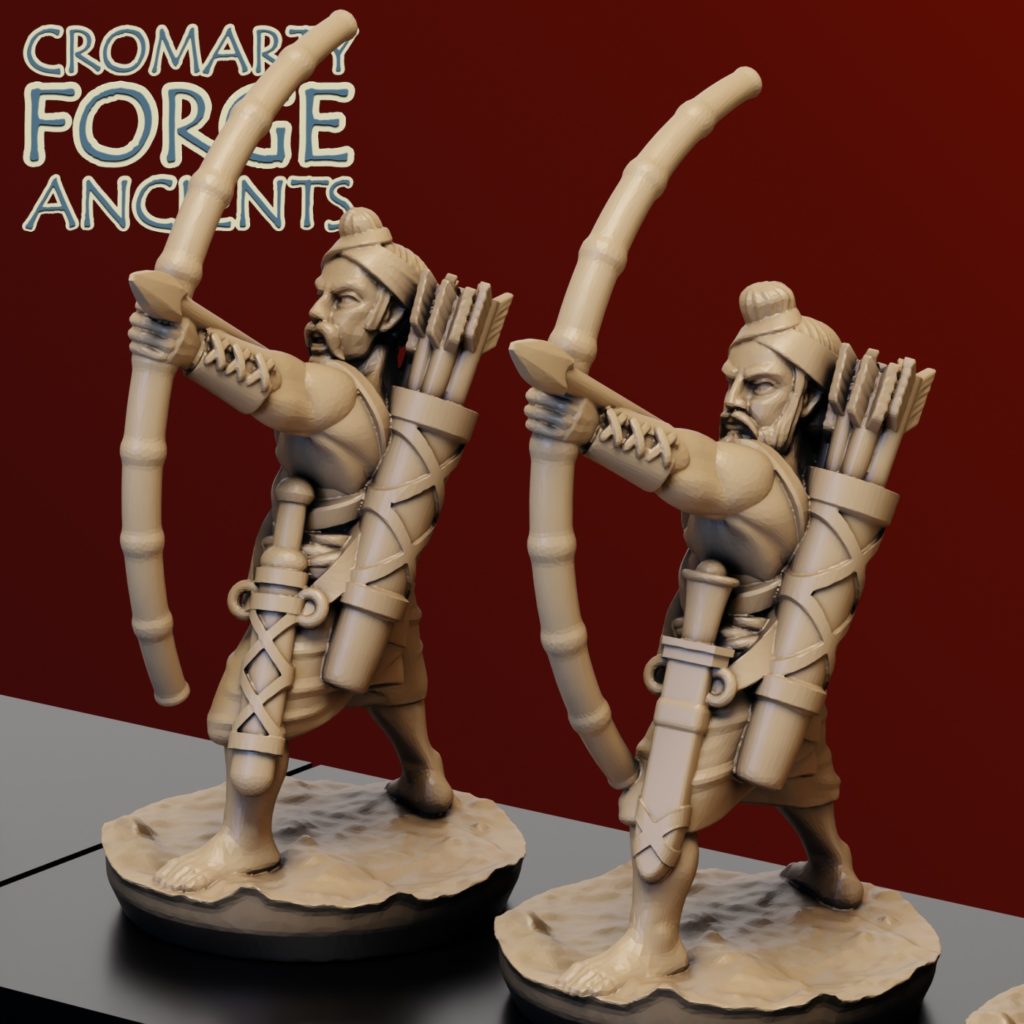
15mm Macedonian : Indian Infantry
£5.00 -
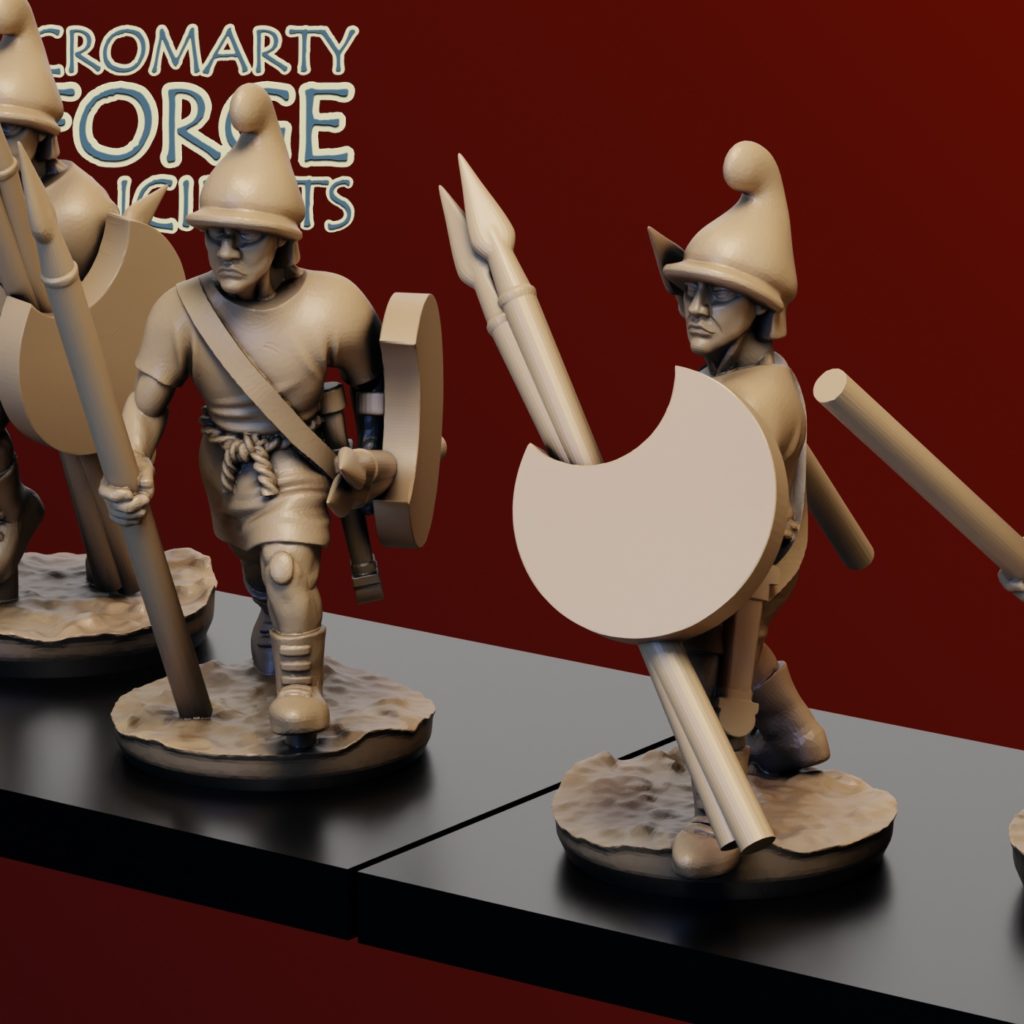
15mm Macedonian: Agrainian Javelins
£5.00
Map credits:
Basemap and geographic features from Natural Earth (naturalearthdata.com). Map built in QGIS.
Historical overlays digitised by the author from historical sources for educational and illustrative use.