
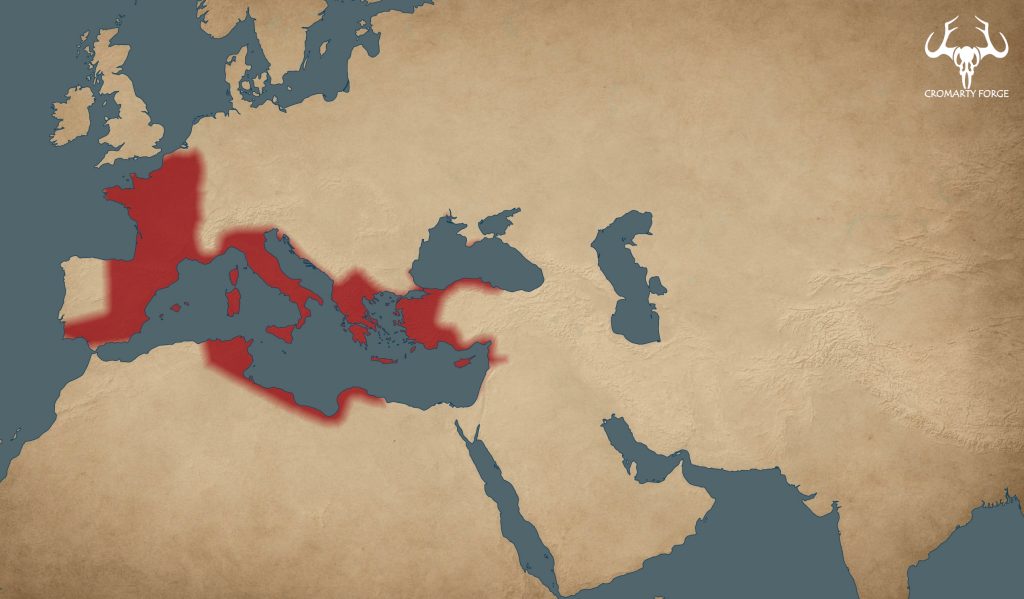
Rome of the Late Republic
The Late Republic was a period of profound military transformation, political instability, and relentless warfare, as Rome’s republican institutions strained under the weight of expansion and internal conflict. Between 100 BCE and 20 BCE, the Roman army evolved from a citizen militia into a professional, standing force — becoming not just a tool of conquest, but the personal power base of ambitious generals like Marius, Sulla, Pompey, and Julius Caesar.
The Marius Reforms
At the heart of this transformation were a series of military changes traditionally attributed to Gaius Marius around 107 BCE — though modern scholarship suggests these reforms were more gradual and circumstantial than once believed. Facing recruitment shortages and rising threats, Marius abolished the property requirement for military service, allowing the capite censi — landless citizens — to enlist. This shift created a new class of professional soldiers who relied on their generals for pay, equipment, and promises of land upon retirement. Loyalty, once owed to the Roman state, now flowed toward individual commanders — a development that would destabilise the Republic.
Marius also reorganised the army’s structure. The older maniple system was replaced by the more flexible cohort, with each legion now composed of ten cohorts, each roughly 480 men strong. This standardisation improved battlefield cohesion and simplified command. The core weapons — gladius, pilum, and scutum — remained, but equipment became more uniform, and discipline more rigorously enforced. The eagle standard (aquila) was introduced as the sacred symbol of the legion, further reinforcing unit identity and pride.
The Rise of Caesar
The reforms laid the groundwork for the rise of Julius Caesar, who exploited the new military system to build a fiercely loyal army. His campaigns in Gaul (58–50 BCE) showcased the effectiveness of the reformed legions, combining engineering prowess, tactical flexibility, and brutal efficiency. Caesar’s soldiers were not just fighters — they were road-builders, siege engineers, and loyal political instruments. His crossing of the Rubicon in 49 BCE with a veteran army marked the point of no return: the army had become a political actor, and the Republic’s fate was sealed.
Civil wars followed — between Caesar and Pompey, and later among his successors. Veterans were settled in colonies across the empire, entrenching military influence in Roman society and politics. By 20 BCE, Augustus had begun formalising the army further, establishing fixed pay, long-term service contracts, and retirement benefits, transforming the legions into a permanent institution of imperial power.
The army of the Late Republic was both Rome’s greatest strength and its undoing. It conquered vast territories abroad, but its politicisation at home shattered the Republic’s foundations. The Marian reforms and Caesar’s military genius reshaped Roman warfare — and in doing so, paved the way for the birth of the Empire.
Late Republic Rome 10mm STL Files
The army list here is intended to represent the Late Roman Republic from ca. 100 – 20BCE
Where possible I have sculpted models to be self supporting. I add supports during my sculpting process rather than afterward. The integration of supports into design allows me to reduce the number of supports needed, and to position them more favourably. My supports need to be removed with clippers or a scalpel. All models requiring supports are also supplied in an unsupported format.
Some infantry models are supplied strip mounted. Strip mounted models are supplied on strips intended for use on 40mm wide bases. Where models are strip mounted individually mounted models are also supplied.
Please see unit descriptions to see the wide variety of helmet and shield options that are included. For the late republic romans. I have tried to give as much flexibility as I could.
-
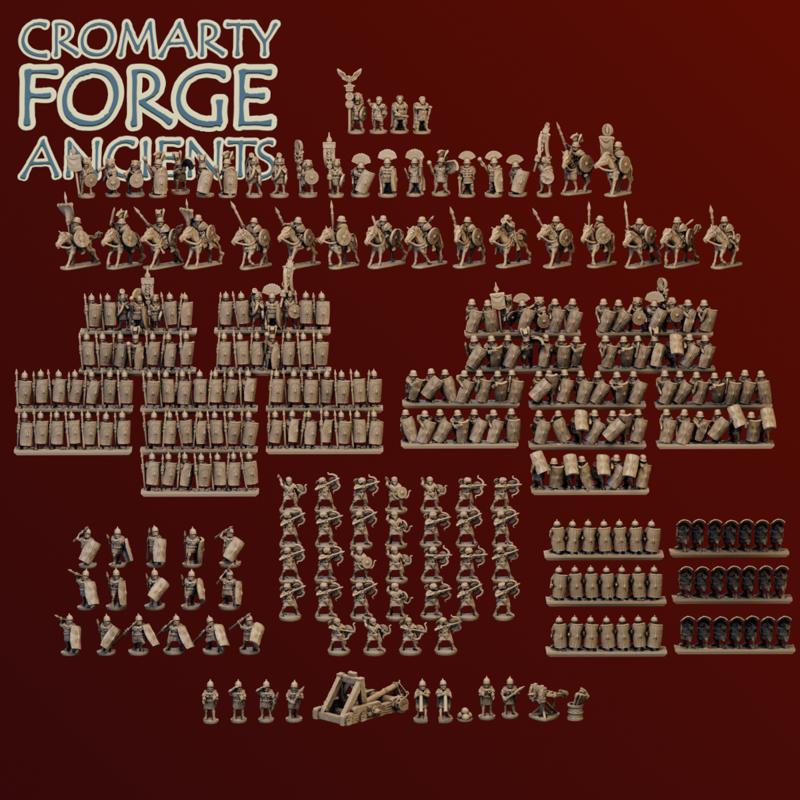
10mm Late Republic Roman Army
£30.00 -
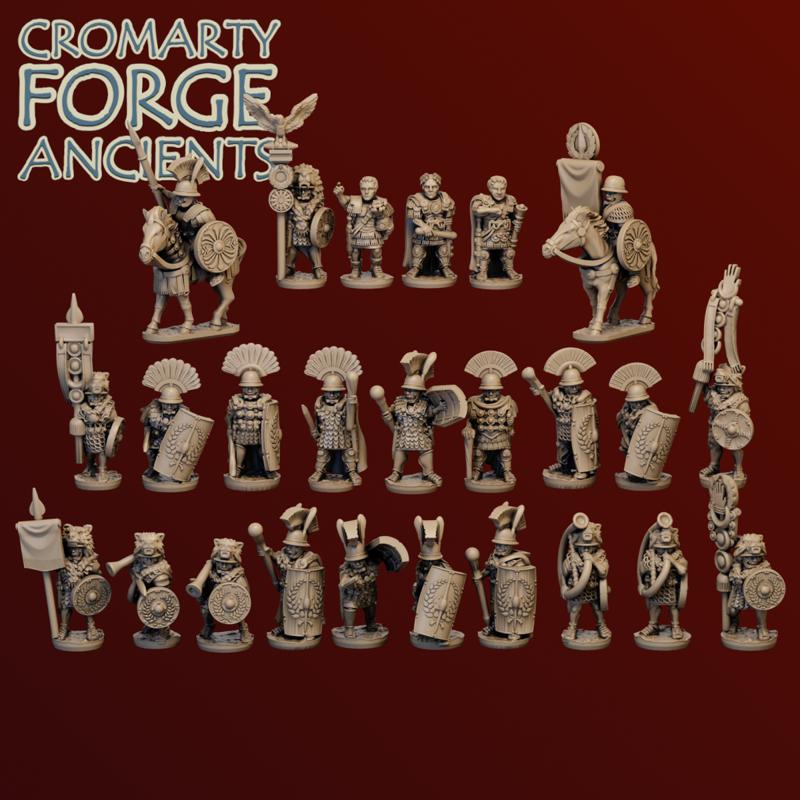
10mm Late Republic Romans – Command
£5.00 -
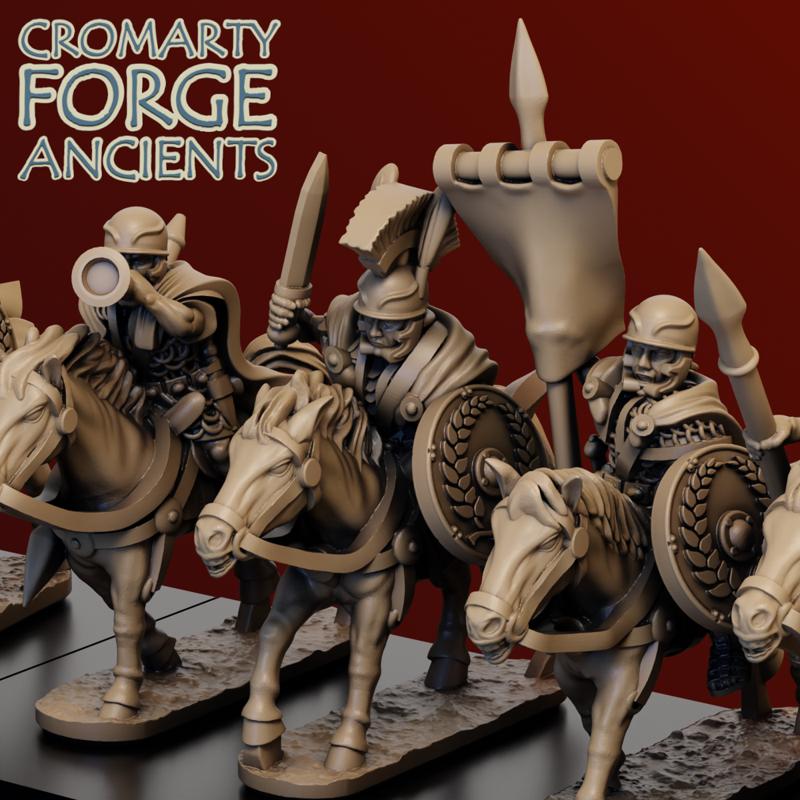
10mm Late Republic Romans – Cavalry
£7.00 -
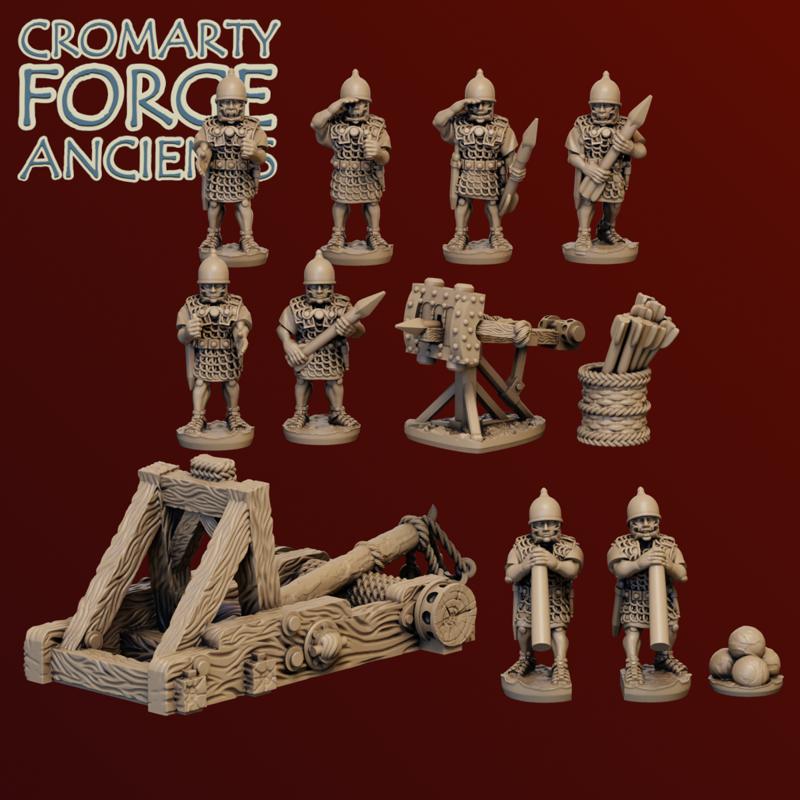
10mm Late Republic Romans – Artillery
£6.00 -
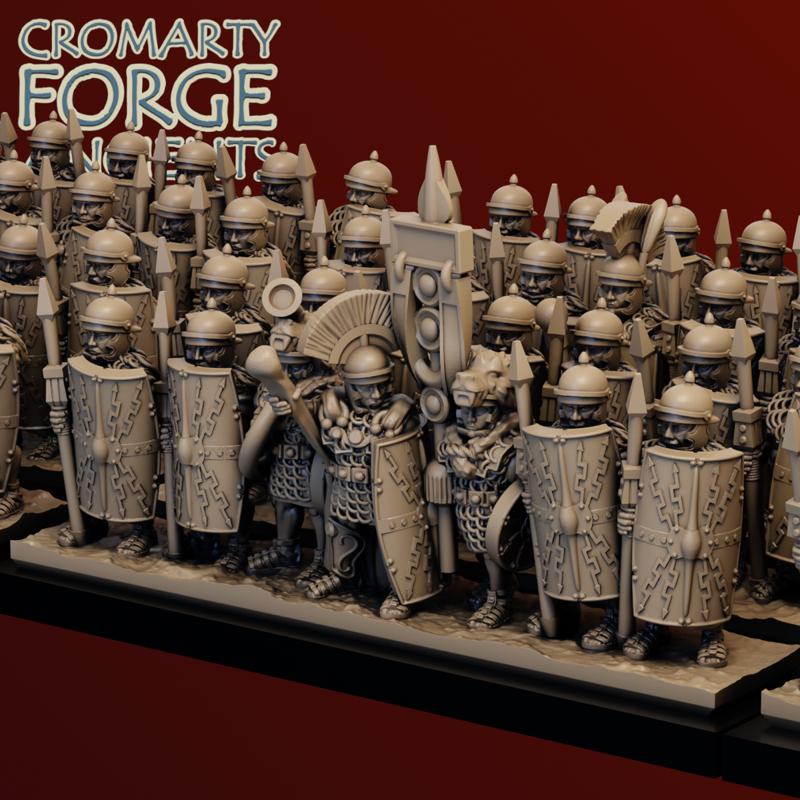
10mm Late Republic Romans – Legion
£7.00 -
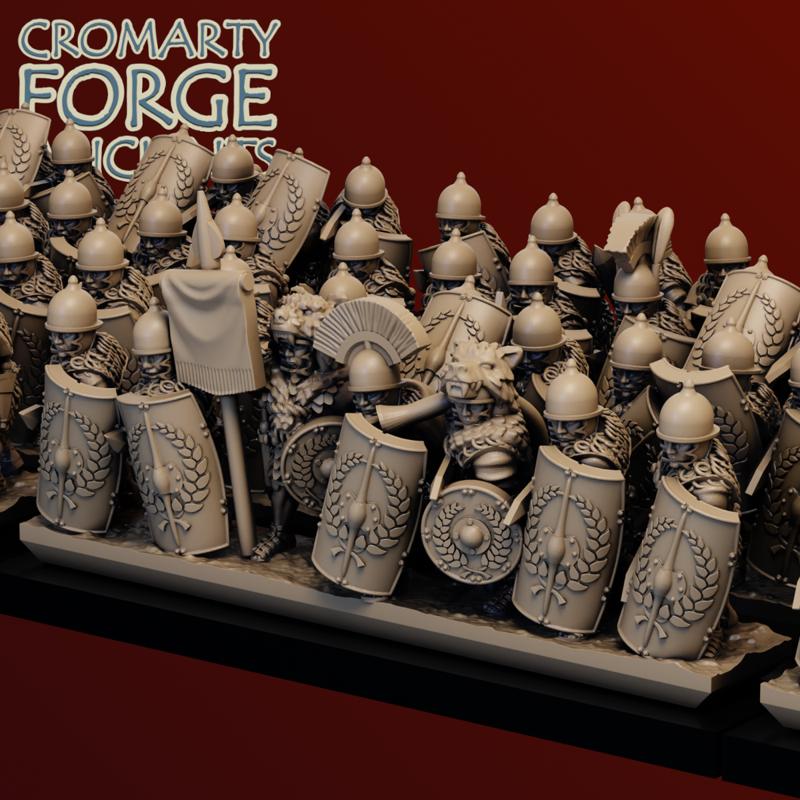
10mm Late Republic Romans – Legion Attacking
£7.00 -
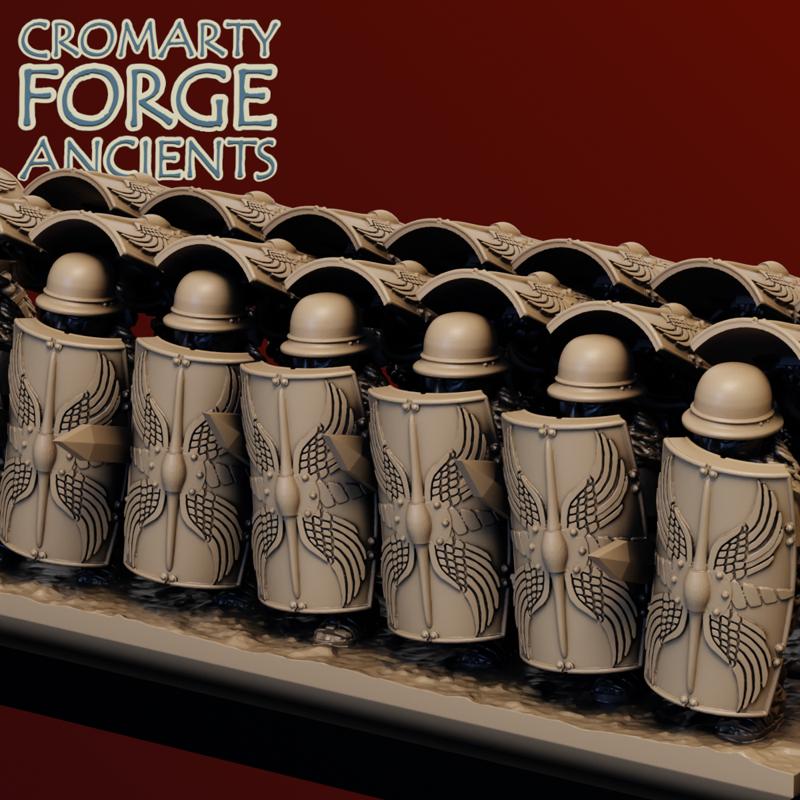
10mm Late Republic Romans – Testudo
£5.00 -
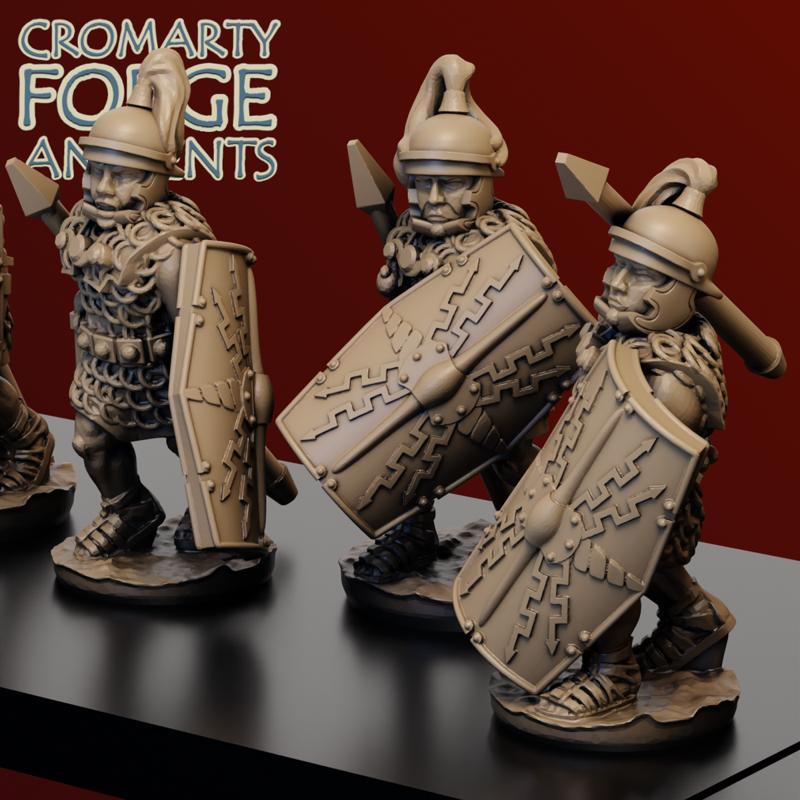
10mm Late Republic Romans – Throwing Pila
£5.00 -
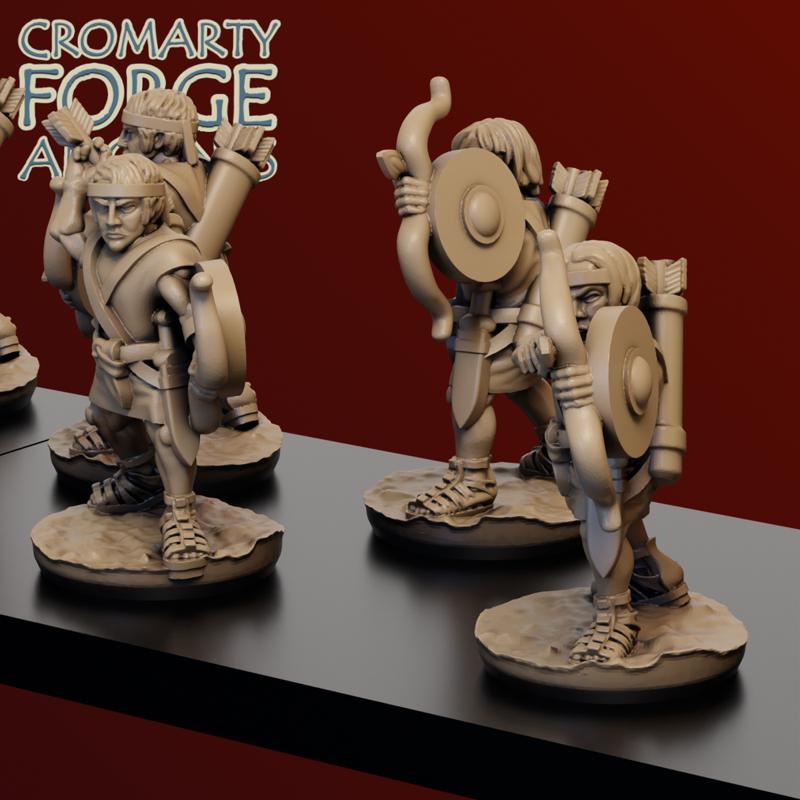
10mm Late Republic Romans – Cretan archers
£6.00 -
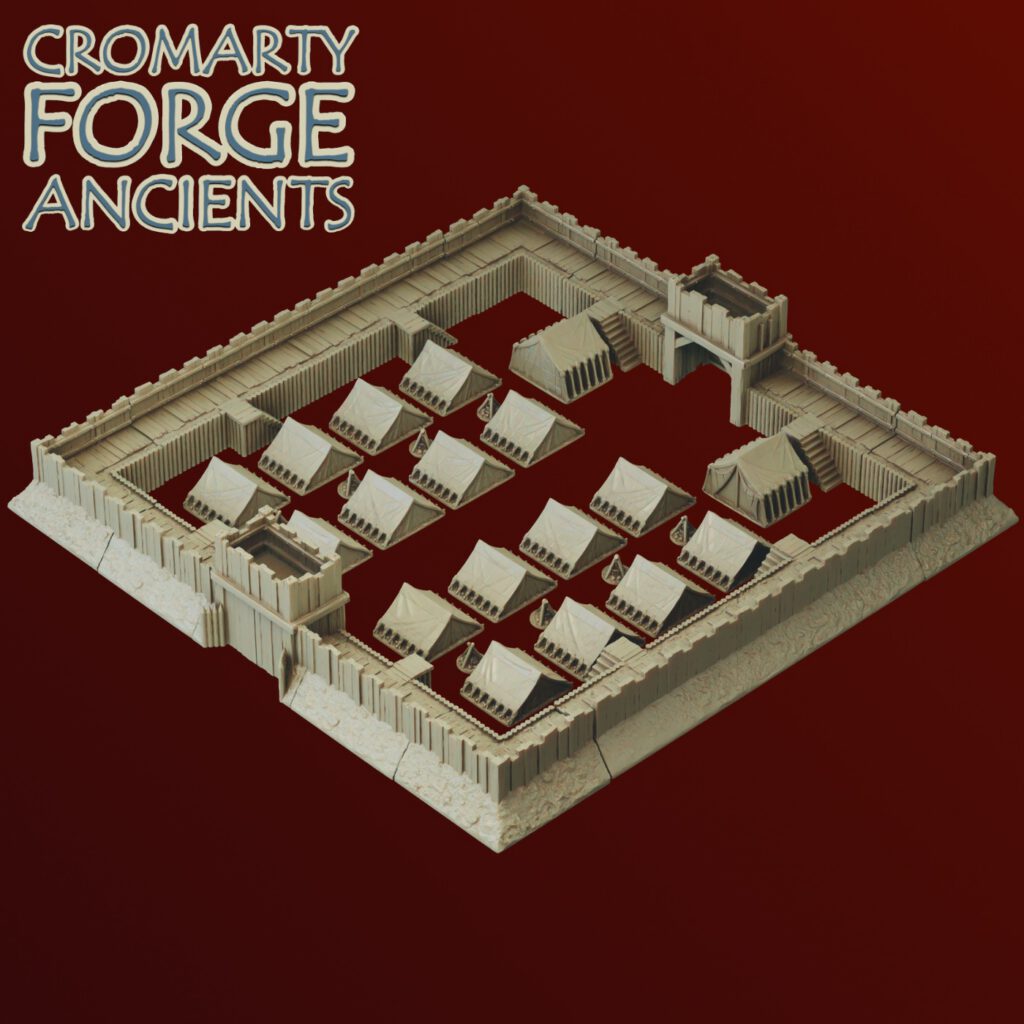
10mm Roman Camp – Modular
£8.00
Map credits:
Basemap and geographic features from Natural Earth (naturalearthdata.com). Map built in QGIS.
Historical overlays digitised by the author from historical sources for educational and illustrative use.