
Your basket is currently empty!
Iberians 15mm
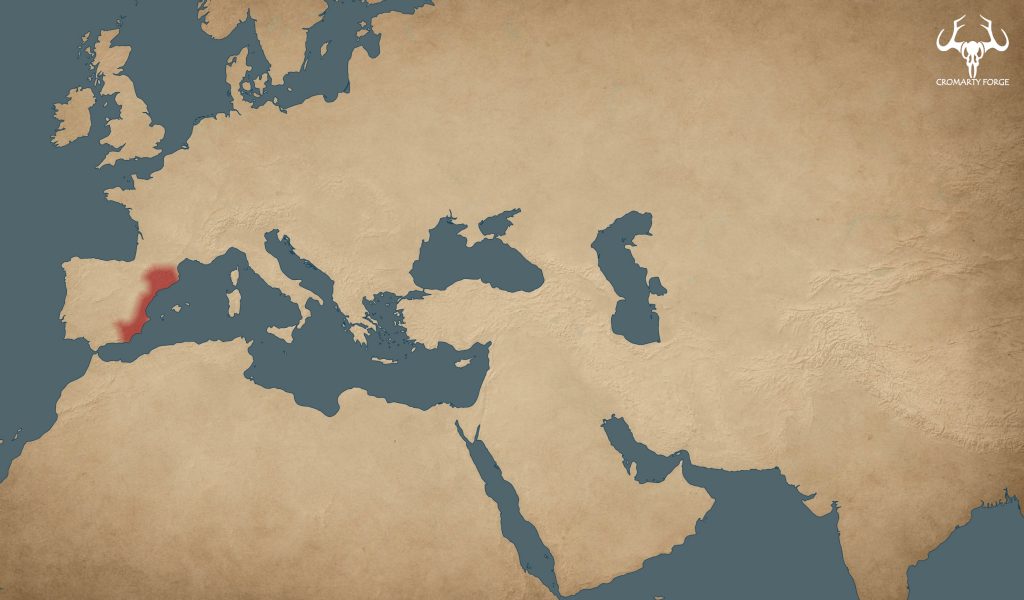
The Iberians
The Iberians were a group of ancient peoples inhabiting the eastern and southern coasts of the Iberian Peninsula, in what is now Spain and southern France. Rather than a single unified nation, they comprised numerous tribes — such as the Bastetani, Edetani, and Contestani — who shared cultural traits distinct from the Celtic peoples of the interior. Greek and Roman authors described them as fierce and resourceful warriors, frequently hired as mercenaries across the Mediterranean.
Infantry
Iberian warriors excelled in light infantry and mobile cavalry tactics, well-suited to the rugged terrain of their homeland. They favoured ambushes, raiding, and guerrilla warfare, often striking swiftly and retreating before a counterattack. Their signature weapon was the falcata, a forward-curving sword renowned for its cutting power and balance. They also carried javelins and a variety of shields, most notably the caetra — a small, round buckler made of wood and leather, ideal for skirmishing and close combat. Heavier oval or rectangular shields were also used, especially by more heavily armed warriors.
Armour was minimal, often limited to nobles or elite fighters. Many Iberians fought in tunics or bare-chested, relying on agility and terrain familiarity rather than protection. Their caetrati — light infantry skirmishers — were particularly feared for their speed and precision, often operating in loose formations to harass and disrupt enemy lines.
Cavalry
Equally formidable was the Iberian cavalry, which became one of the most sought-after mounted forces in the ancient world. Riding nimble, hardy horses trained for rough terrain, Iberian cavalrymen used javelins and short swords to execute hit-and-run attacks, feigned retreats, and flanking manoeuvres. Their reputation grew during the Punic Wars, where they served prominently in Hannibal’s campaigns, including the legendary march into Italy. Carthage and Rome both valued Iberian horsemen for their speed, discipline, and battlefield versatility A.
Punic Wars and Rome
The Iberians played a pivotal role in the Punic Wars, often fighting for Carthage. After Hannibal’s defeat, many tribes resisted Roman expansion fiercely, especially during the Sertorian Wars and the prolonged sieges of cities like Numantia, where defenders chose death over surrender. Their resistance delayed Roman conquest for nearly two centuries.
By the end of the 1st century BCE, the Iberians were fully absorbed into the Roman Empire. Yet their legacy endured — in Roman military tactics, weapon design (notably the adoption of the gladius hispaniensis), and the enduring image of the Iberian warrior: swift, defiant, and deadly.
Iberian 15mm STL Files
The army list here is intended to represent the Iberians from ca. 400 – 20BCE
Where possible I have sculpted models to be self supporting. Where needed, I add supports during my sculpting process rather than afterward. The integration of supports into design allows me to reduce the number of supports needed, and to position them more favourably. My supports need to be removed with clippers or a scalpel. All models requiring supports are also supplied in an unsupported format in case you would prefer to have full control over support placement.
Some infantry models are also supplied in 13.5mm scale strips. Strip mounted models are supplied on strips intended for use on 60mm wide bases. If you wish to print my 15mm sculpts in 13.5mm please scale them by 0.9.
Please see unit descriptions to see the wide variety of helmet, shield and armour options that are included.
-
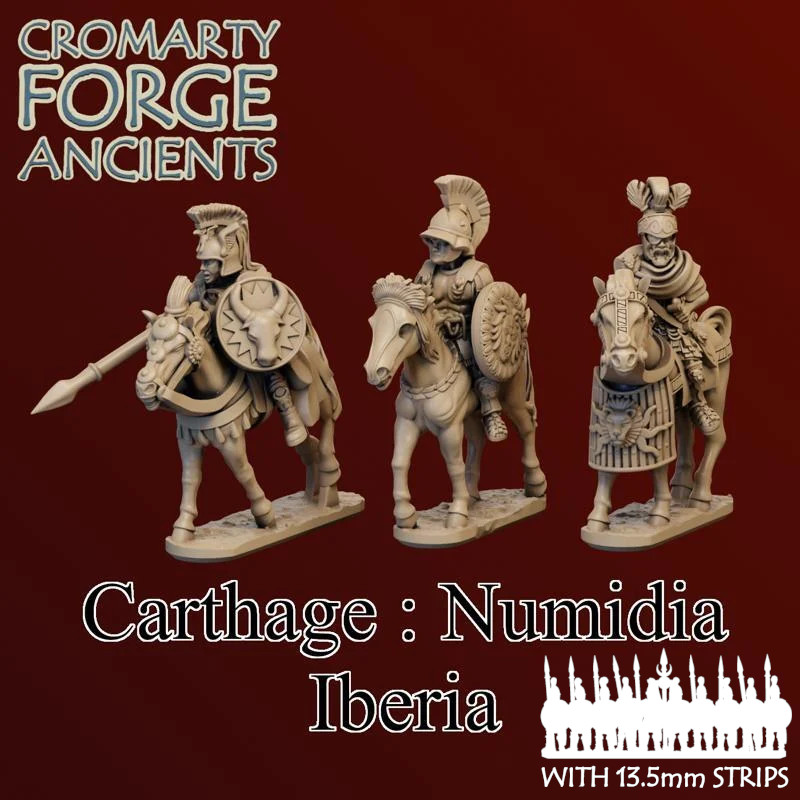
15mm Carthage Army with Allies
£65.00 -
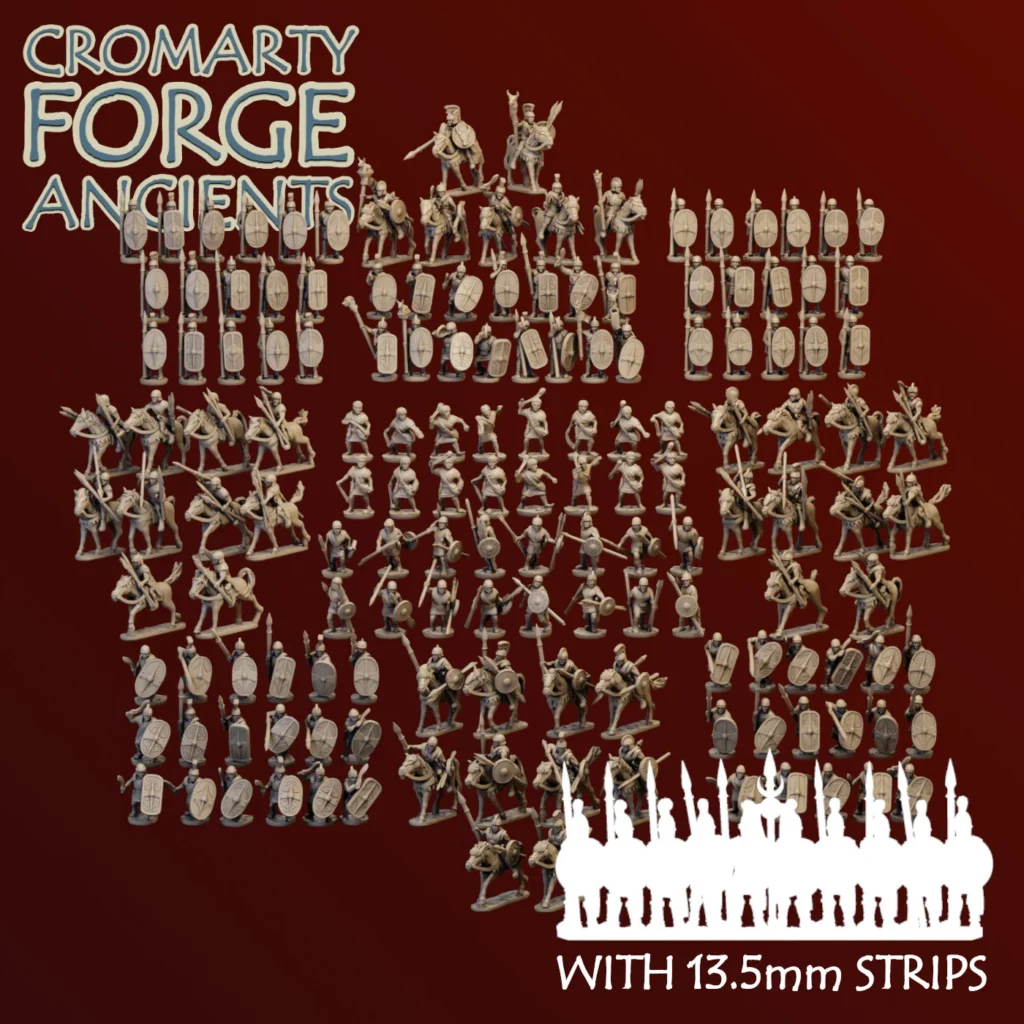
15mm Iberian Army
£25.00 -
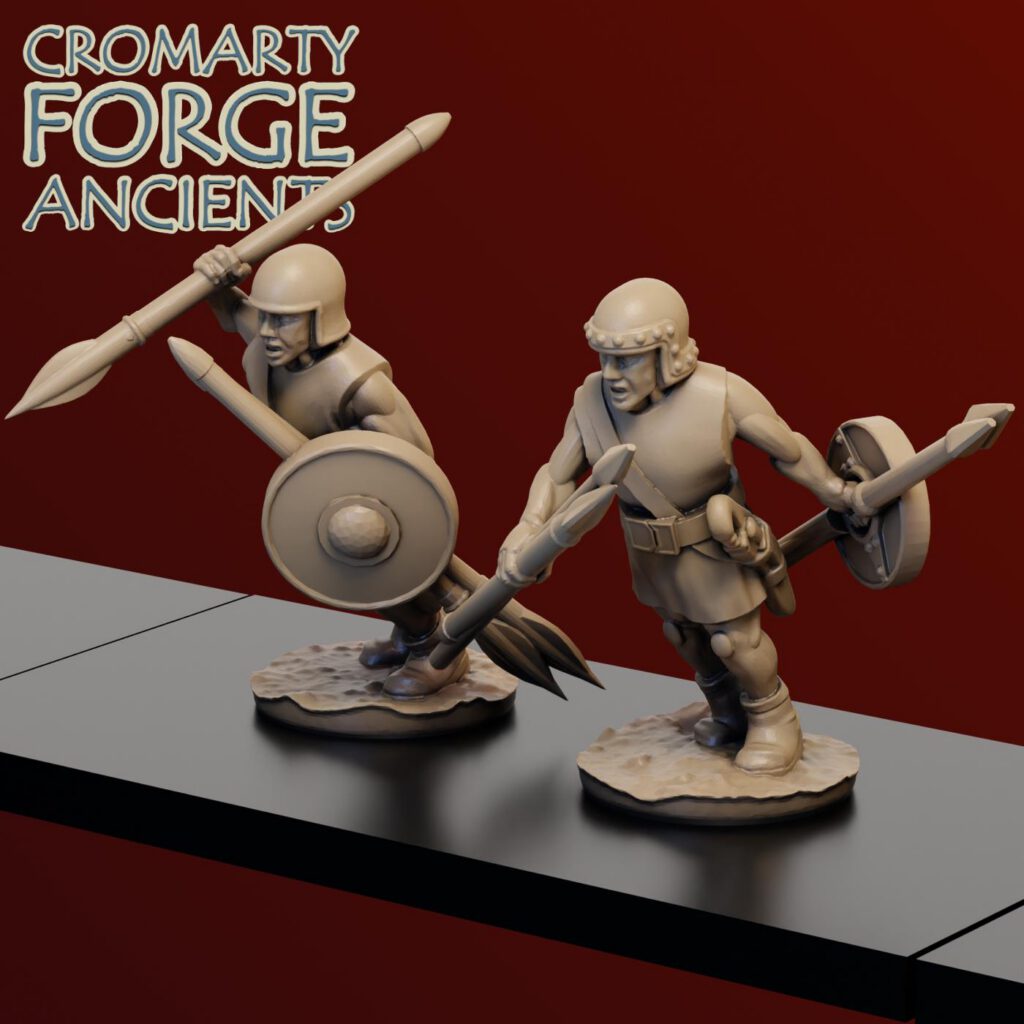
15mm Iberians: Caetrati
£6.00 -
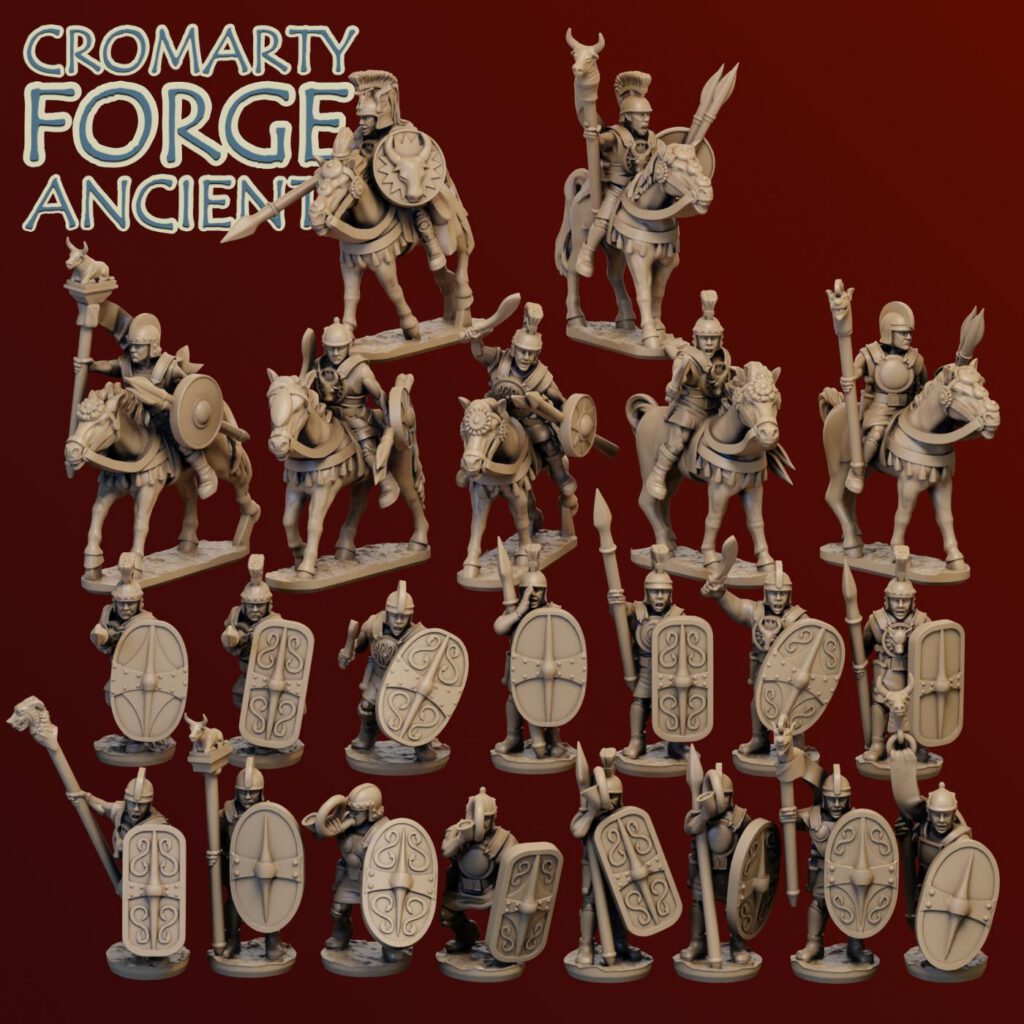
15mm Iberians: Command
£4.00 -
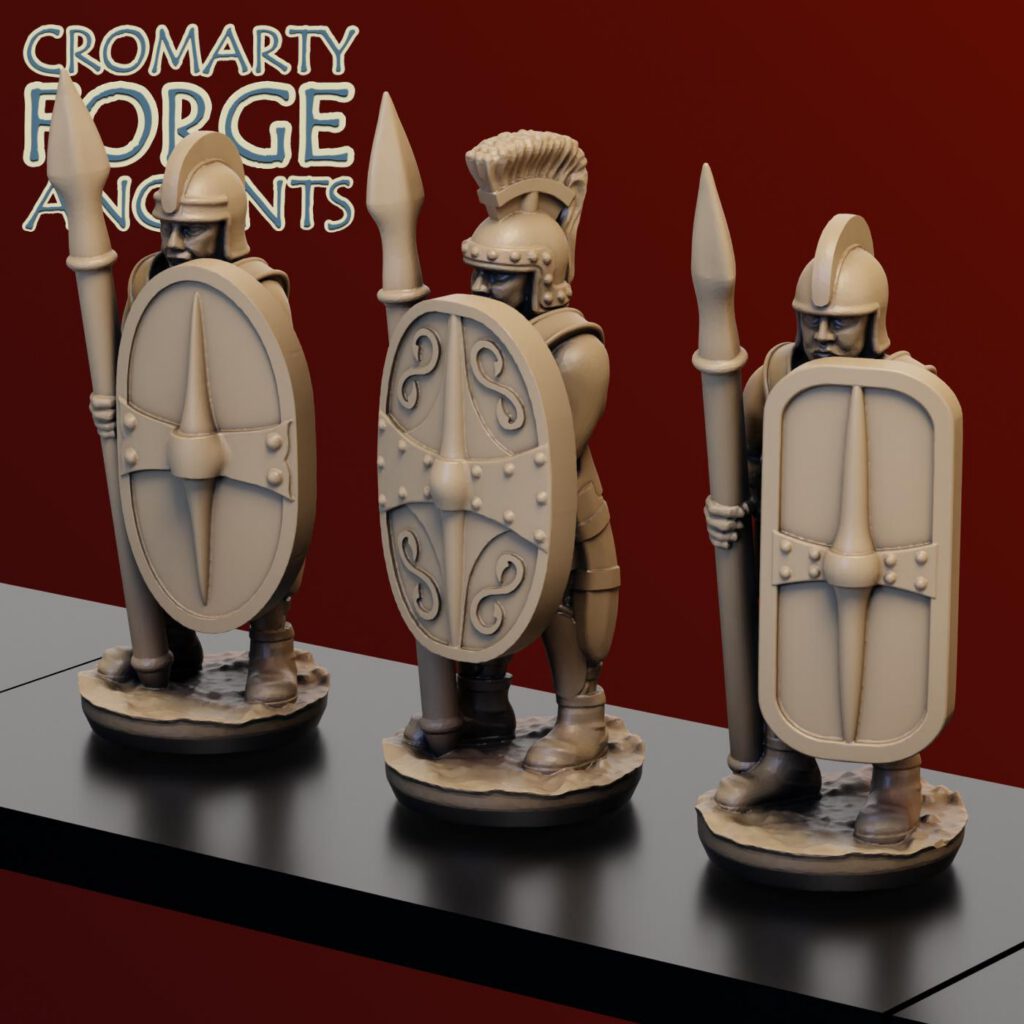
15mm Iberians: Nobles
£6.00 -
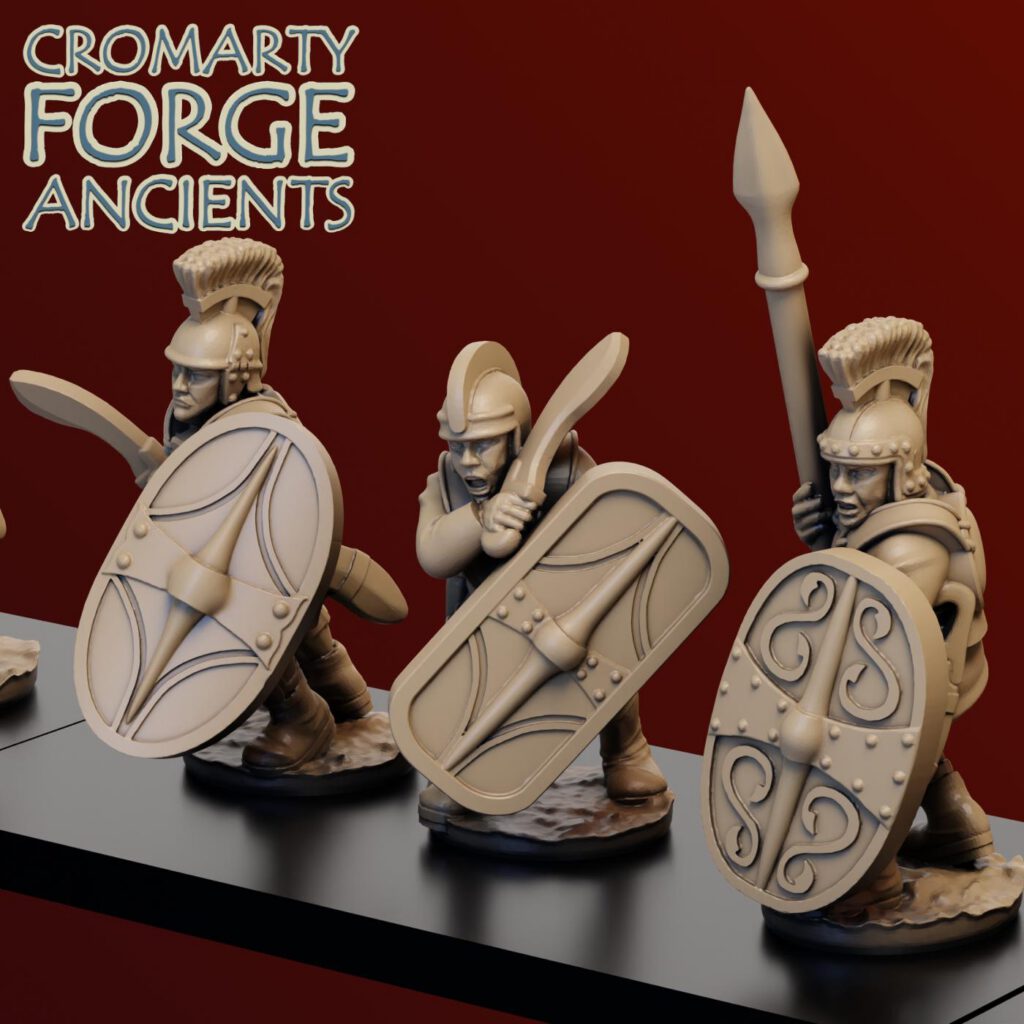
15mm Iberians: Nobles Attacking
£6.00 -
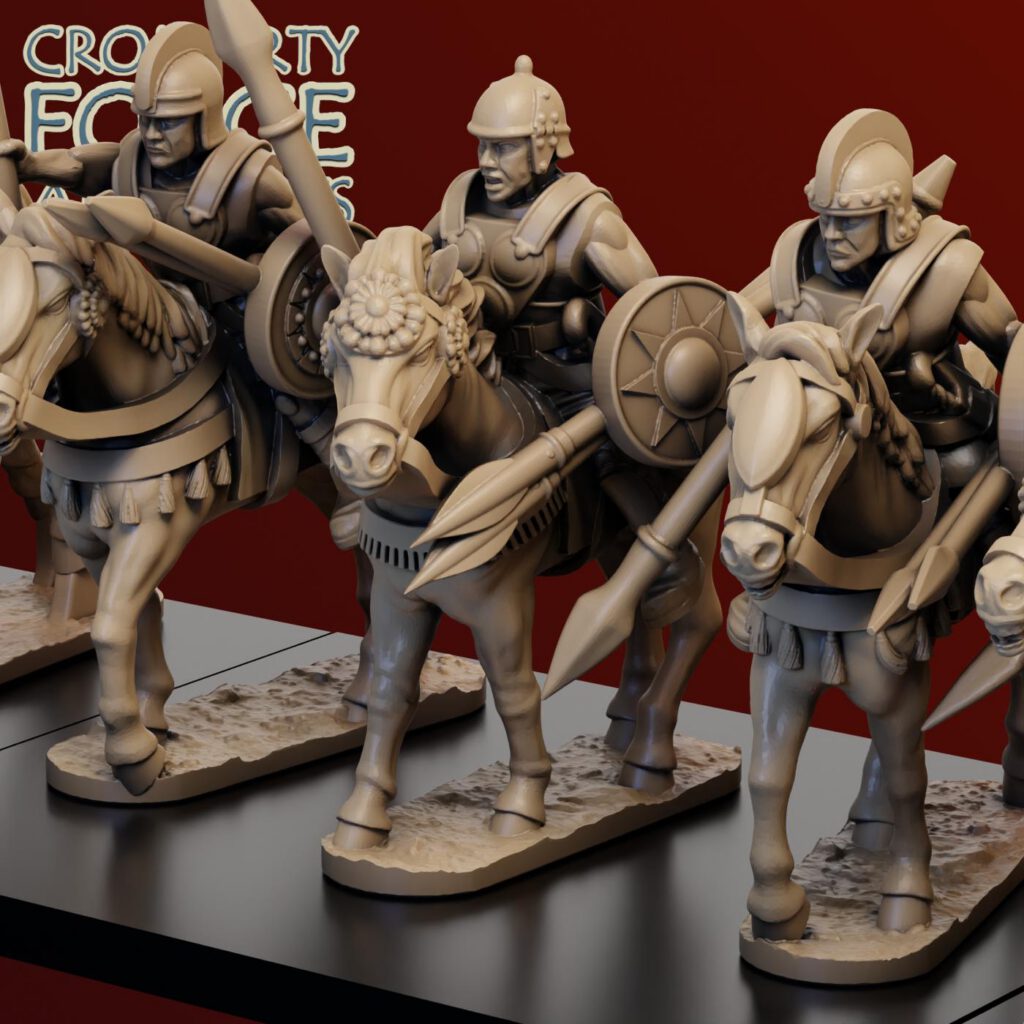
15mm Iberians: Cavalry
£6.00 -
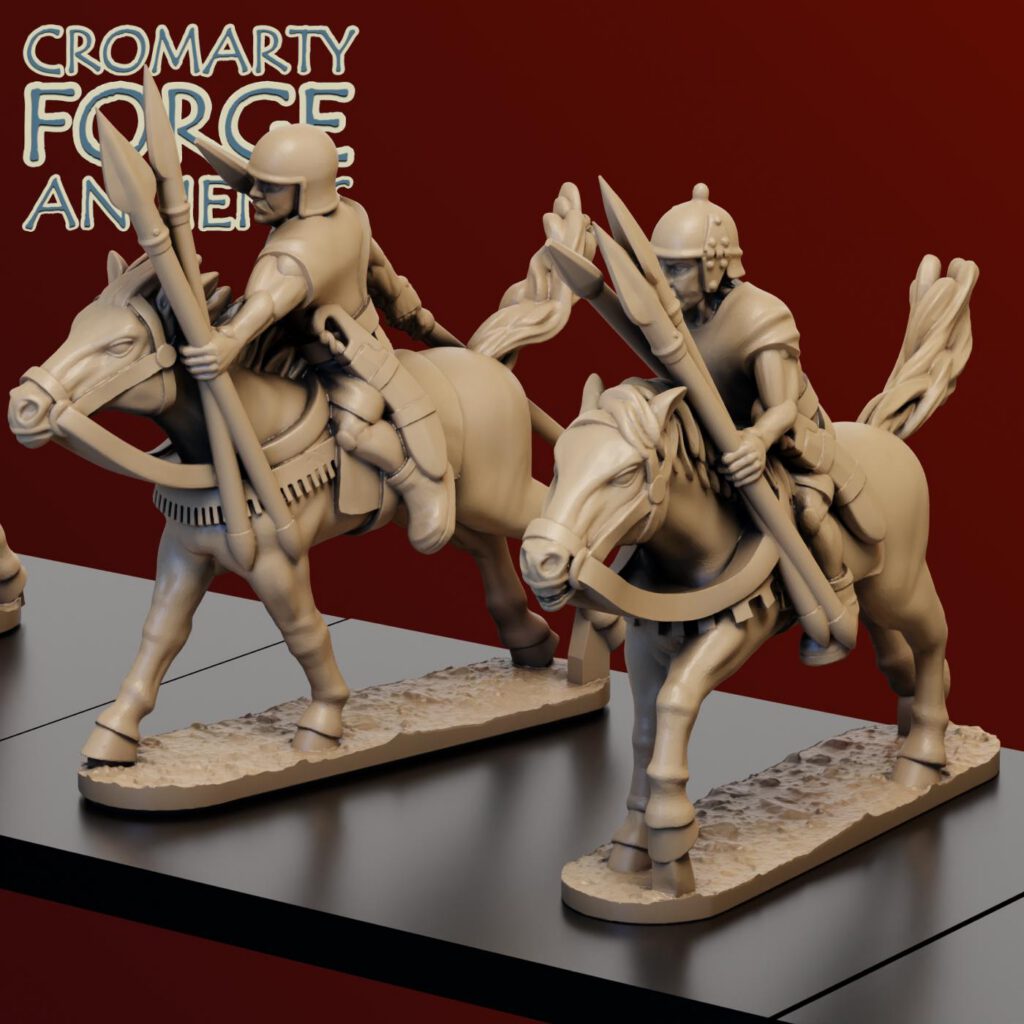
15mm Iberians: Light Cavalry
£6.00 -
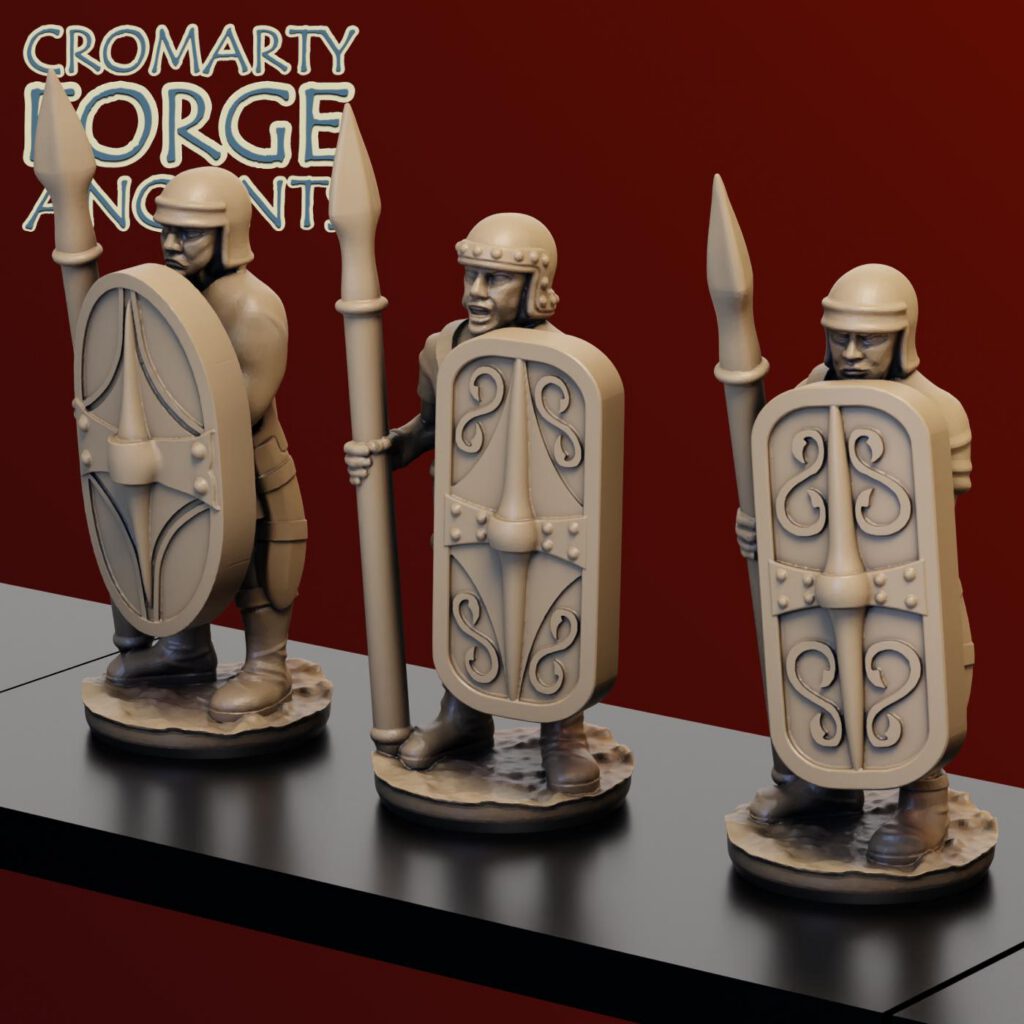
15mm Iberians: Warriors
£6.00 -
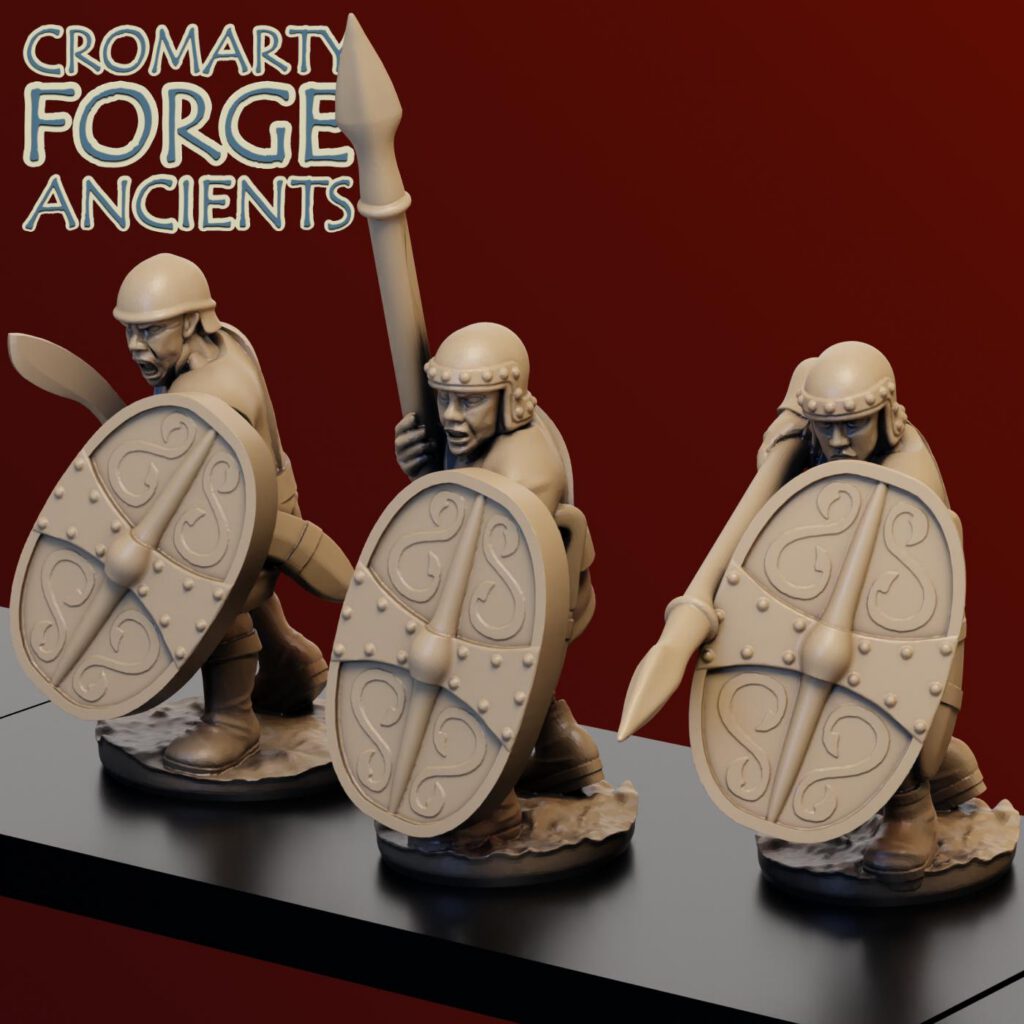
15mm Iberians: Warriors Attacking
£6.00 -
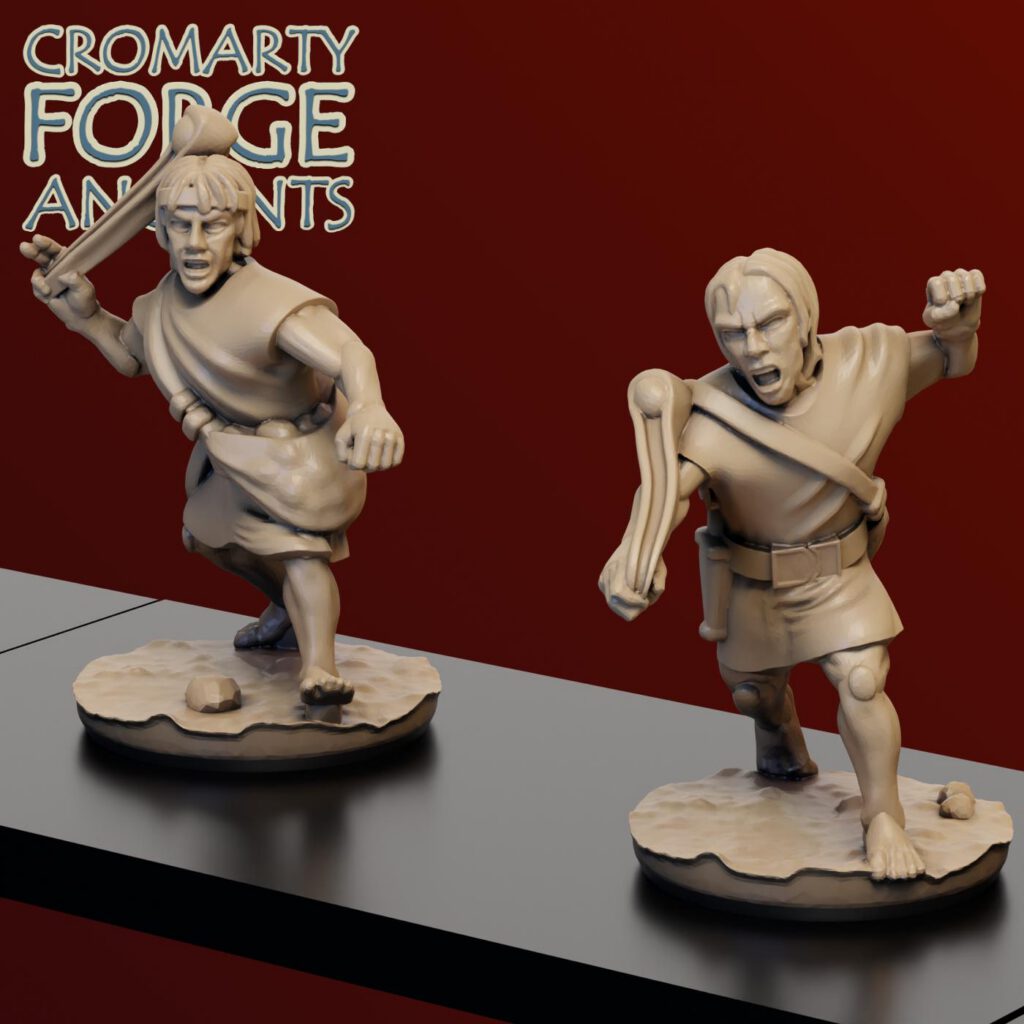
15mm Iberians: Slingers
£5.00
Map credits:
Basemap and geographic features from Natural Earth (naturalearthdata.com). Map built in QGIS.
Historical overlays digitised by the author from historical sources for educational and illustrative use.