
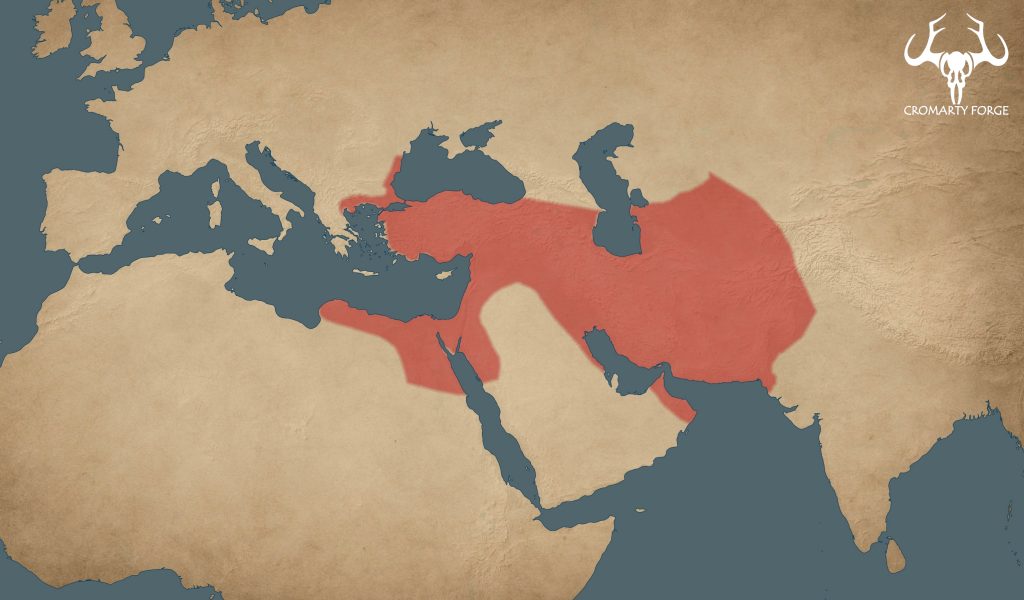
The Achaemenid Persian Empire
The Achaemenid Persian Empire (c. 550–330 BCE) fielded one of the largest and most diverse military forces of the ancient world. Assembled from across a vast, multicultural empire stretching from the Indus Valley to the Aegean Sea, the Persian army was not a single uniform force but a coalition of levies, mercenaries, and elite units drawn from its many satrapies (provinces).
At the core of the Achaemenid army were the Persian and Median nobility, who formed the empire’s officer class and elite cavalry. The Immortals, a renowned 10,000-strong elite infantry unit, served as both the king’s guard and a standing army. They were heavily armed with spears, bows, and short swords, and their numbers were constantly replenished to maintain their strength — hence their name.
Another of the empire’s core infantry units were the Sparabara, or “shield bearers”, who formed the front line of Persian battle formations. Armed with large rectangular wicker shields (sparas) and spears, they created a defensive wall. Ranks of archers who form up behind the shield wall, and rain down fire on the enemy. However, the relatively light weight Spara provided great cover from enemy archers but were substantially less effective protection from heavy.
Persian armies made extensive use of cavalry, particularly horse archers and heavy cavalry, to harass and outflank enemies.
Despite defeats in the Greco-Persian Wars, the Achaemenid military remained formidable until its collapse under Alexander the Great. Its legacy influenced later Persian, Hellenistic, and even Roman military systems.
Achaemenid Persian 15mm STL files
The STL files presented here are intended to represent the later Achaemenid Army ca. 400 – 330 BCE.
Where possible I have sculpted models to be self supporting. Where needed, I add supports during my sculpting process rather than afterward. The integration of supports into design allows me to reduce the number of supports needed, and to position them more favourably. My supports need to be removed with clippers or a scalpel. All models requiring supports are also supplied in an unsupported format in case you would prefer to have full control over support placement.
Some infantry models are also supplied in 13.5mm scale strips. Strip mounted models are supplied on strips intended for use on 60mm wide bases. If you wish to print my 15mm sculpts in 13.5mm please scale them by 0.9.
Please see unit descriptions to see the wide variety of helmet, shield and weapons options that are included. For the Achaemenid Persians I have tried to give as much flexibility as I could, especially around shield use (the earlier figure of eight designs compared with crescent shields) and weather infantry and cavalry are armed with bows, and the amount of body armour being employed. Where models come with shields, the shield is supplied separately to aid in the painting process.
-
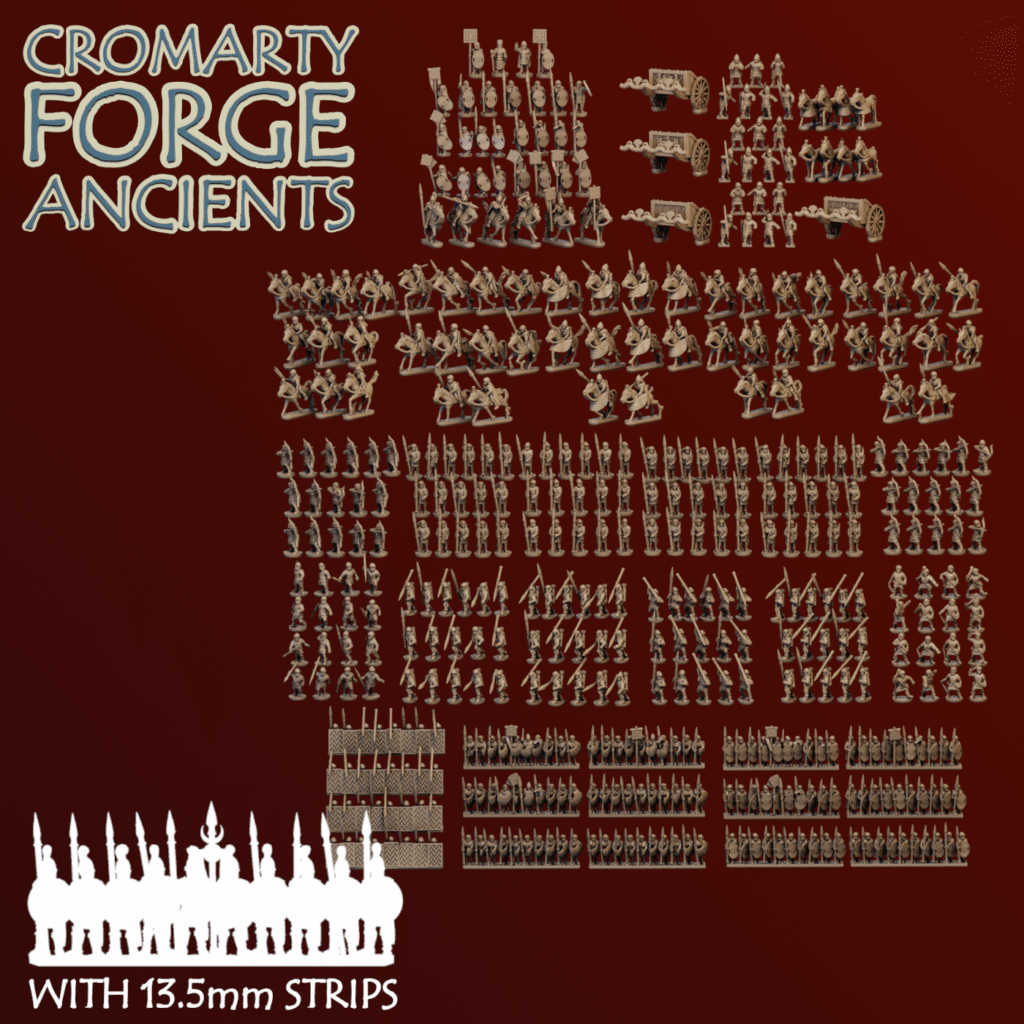
15mm Achaemenid Persian Army
£45.00 -
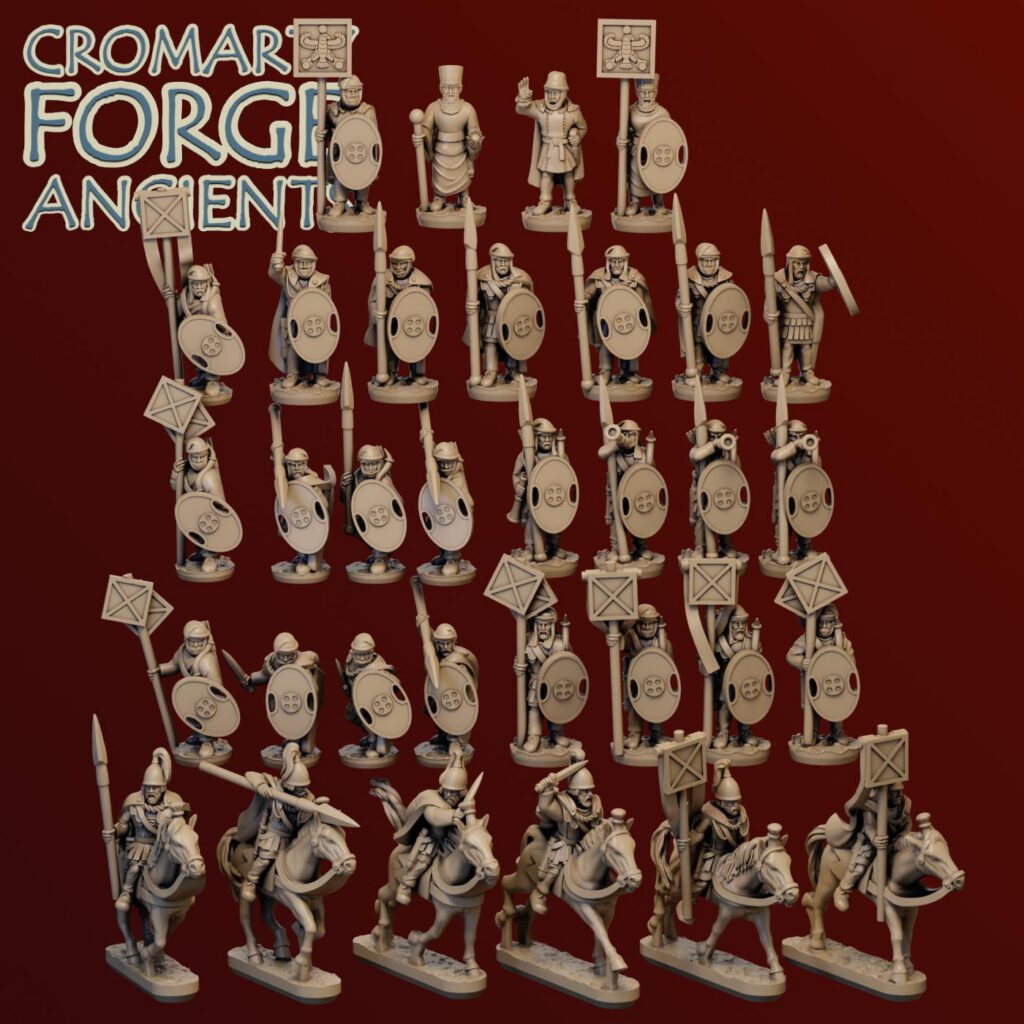
15mm Achaemenid Persians : Command
£10.00 -
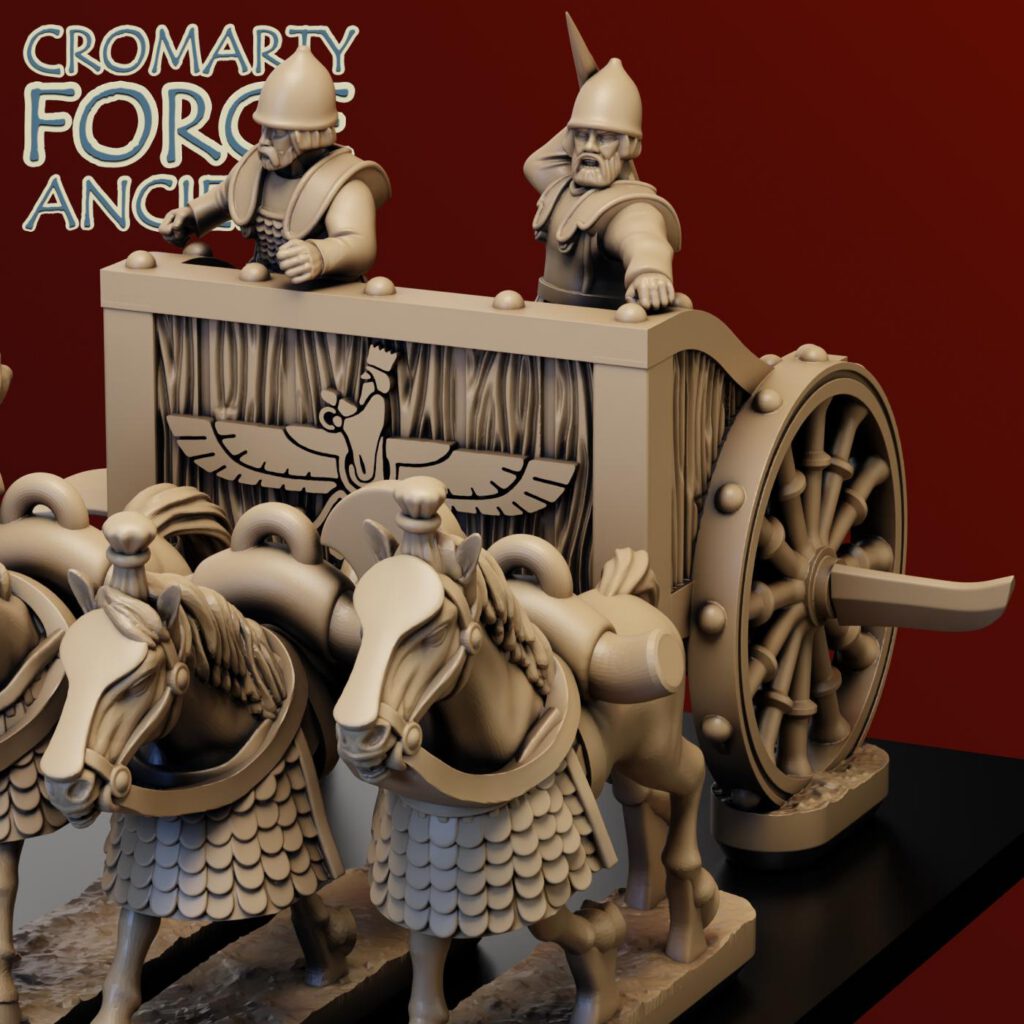
15mm Achaemenid Persians : Chariot
£6.00 -
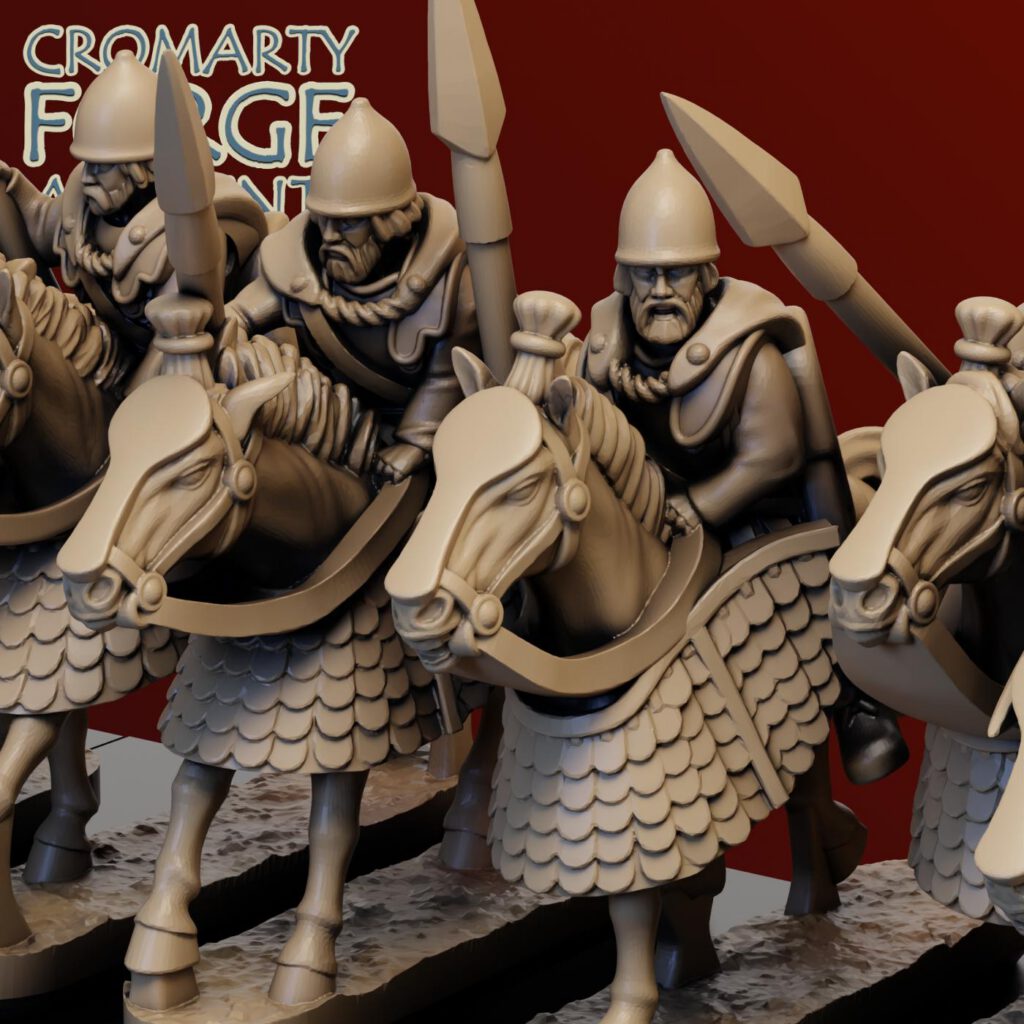
15mm Achaemenid Persians : Heavy Cavalry
£8.00 -
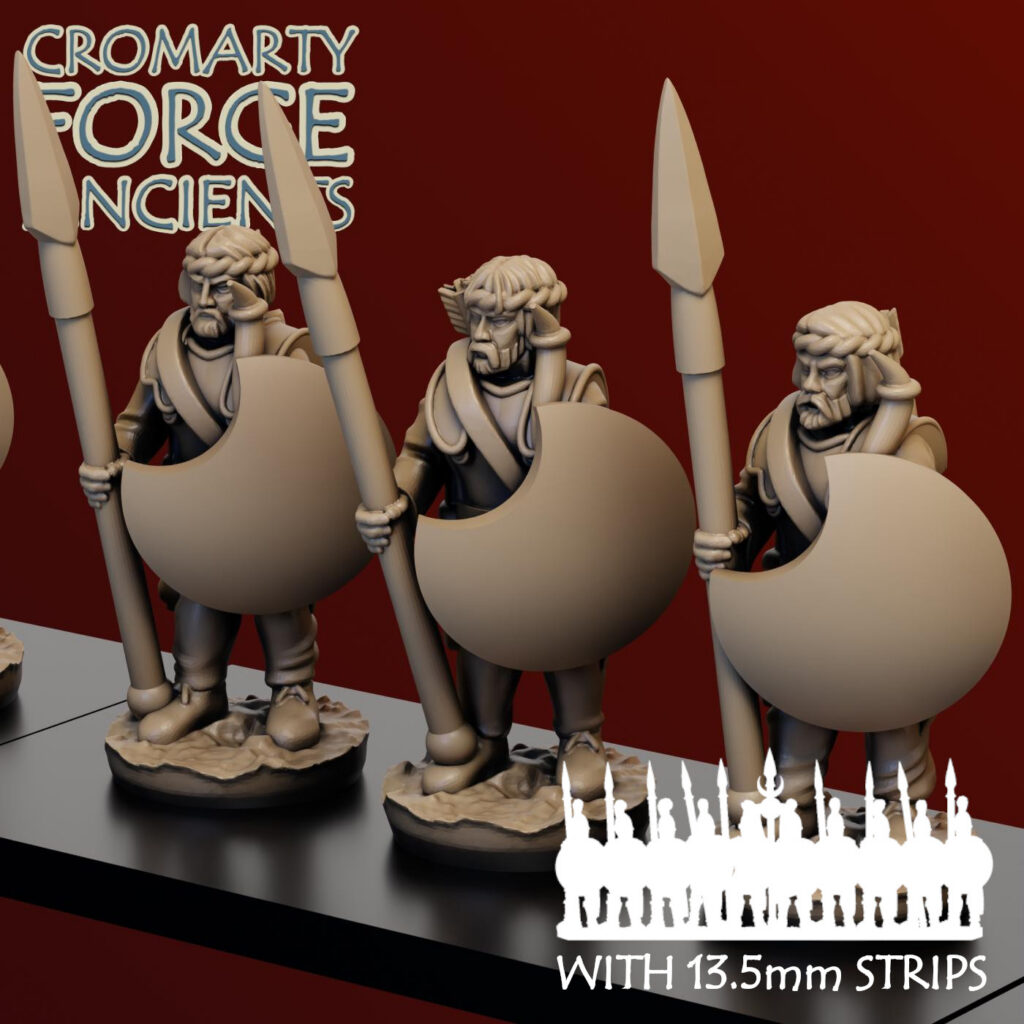
15mm Achaemenid Persians : Armoured Immortals
£8.00 -
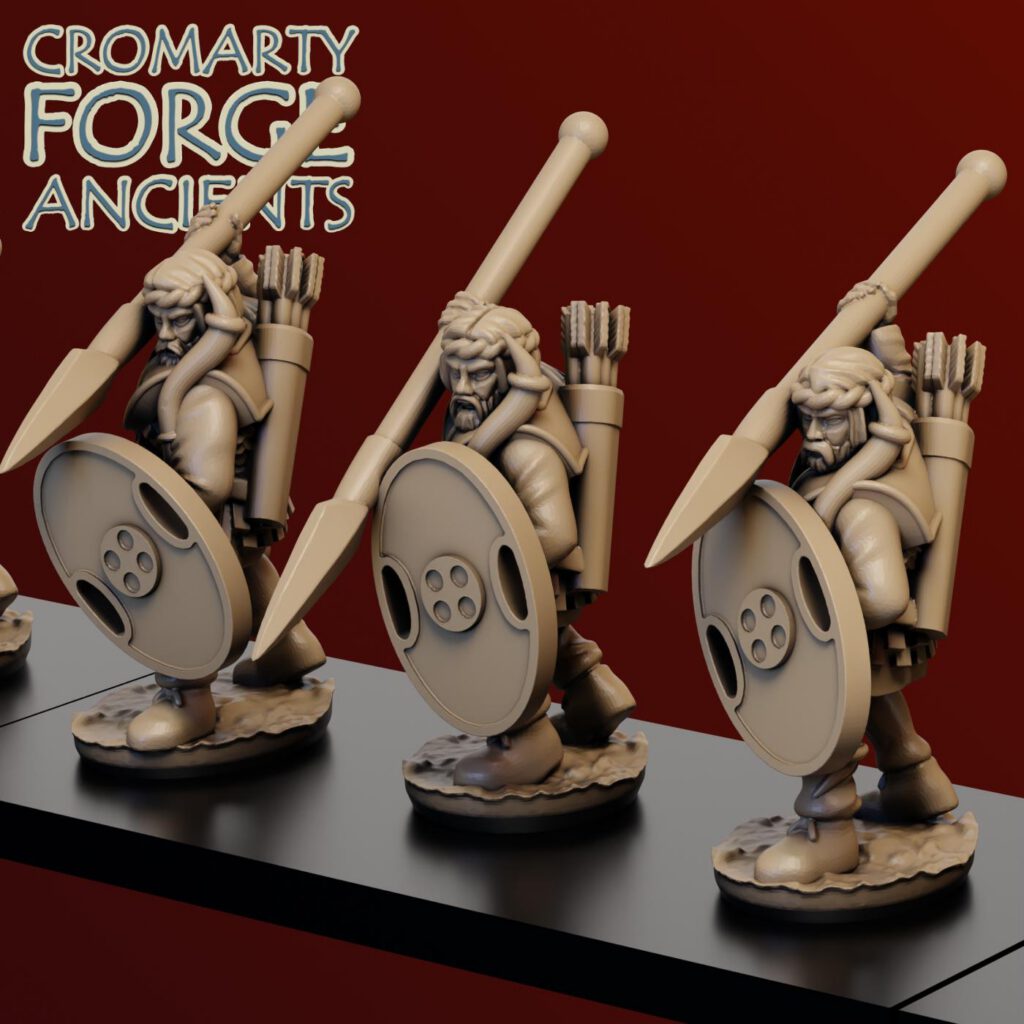
15mm Achaemenid Persians : Armoured Immortals Attacking
£8.00 -
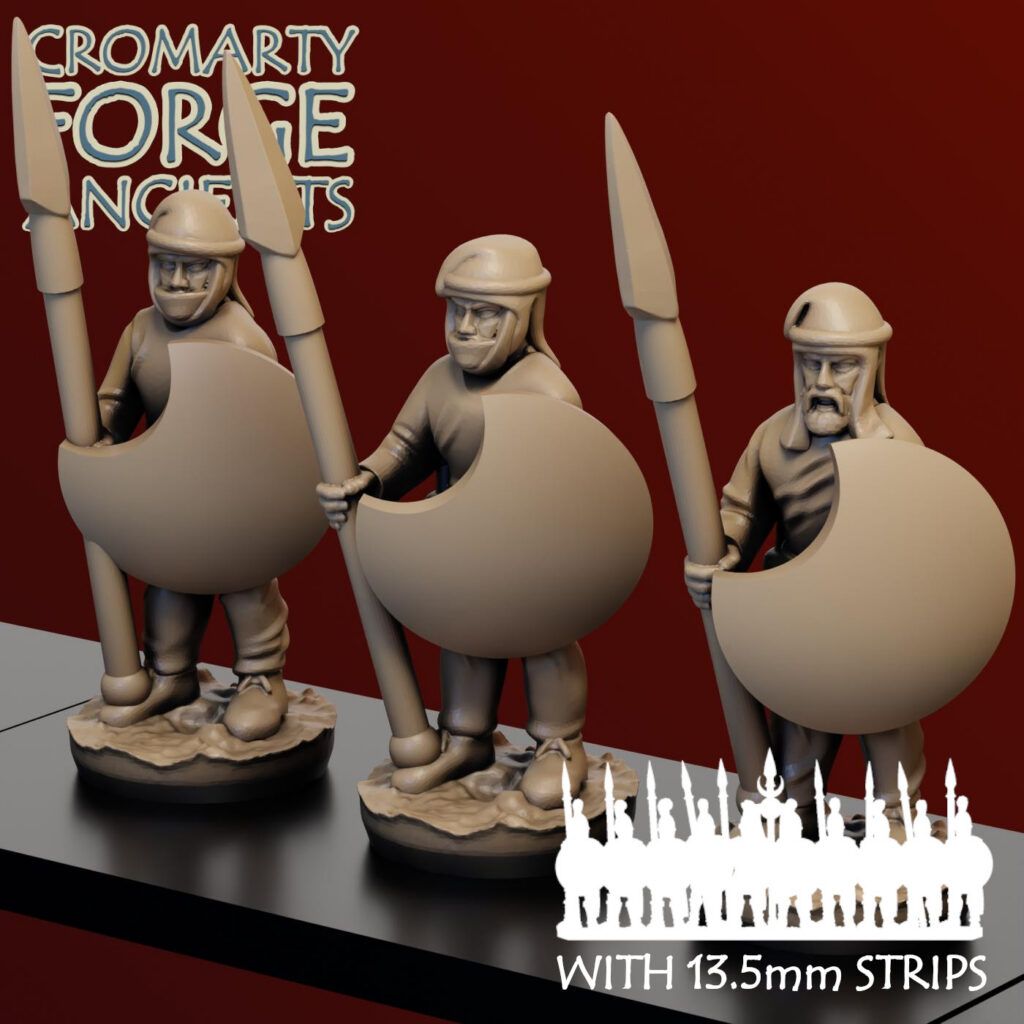
15mm Achaemenid Persians : Immortals
£8.00 -
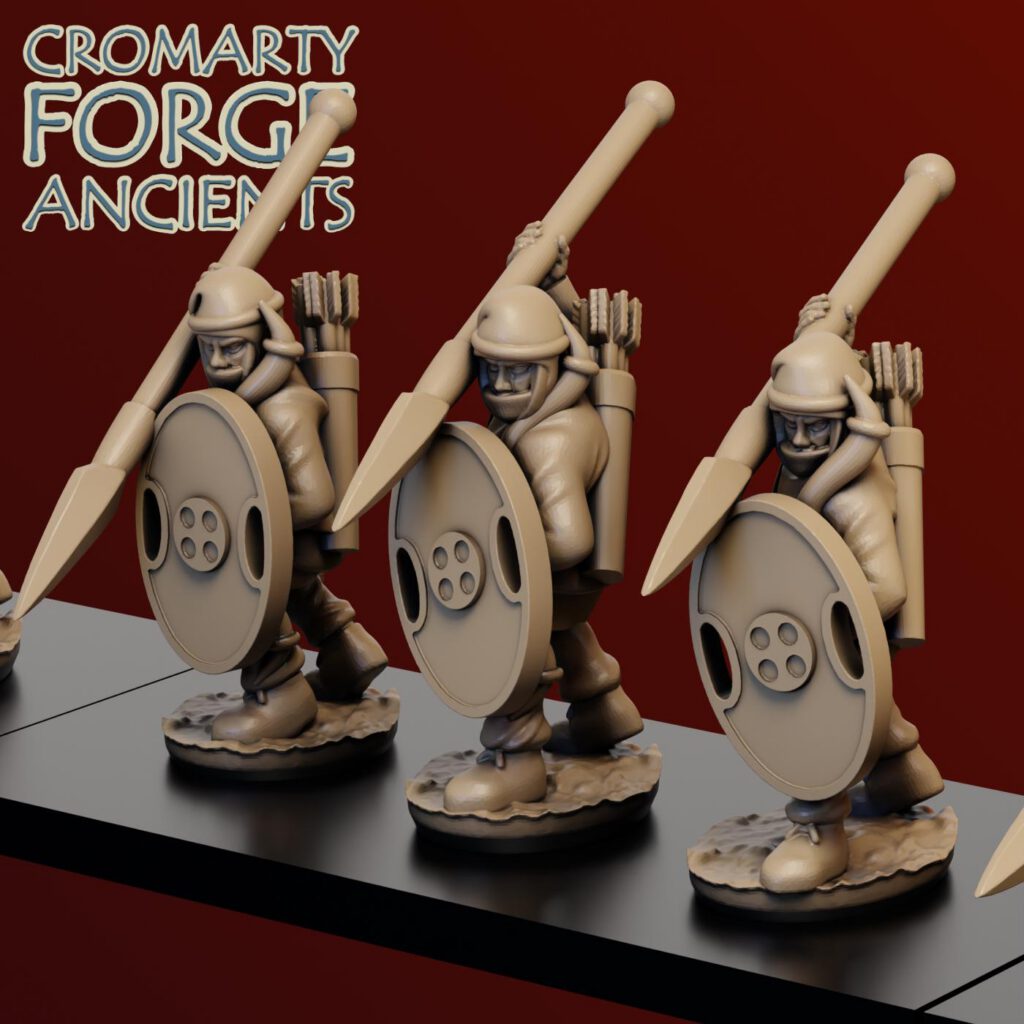
15mm Achaemenid Persians : Immortals Attacking
£8.00 -
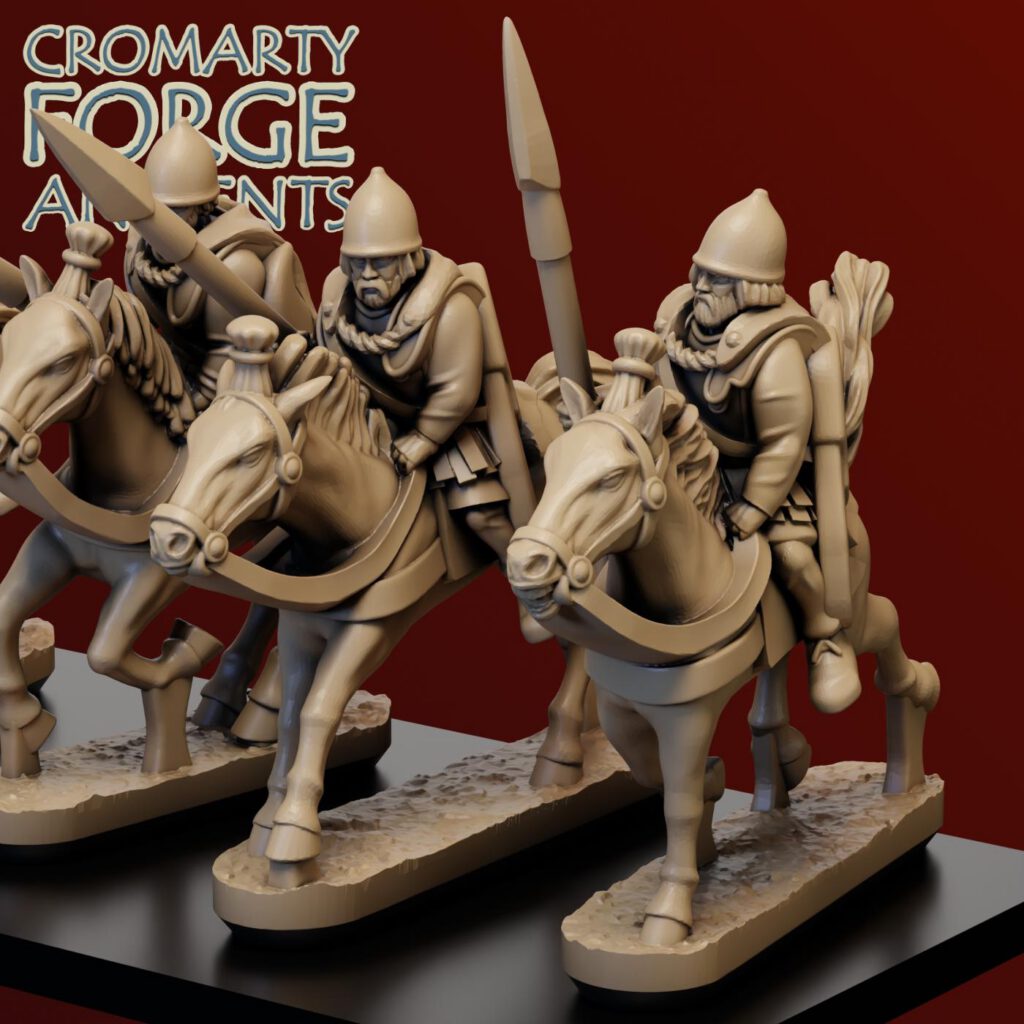
15mm Achaemenid Persians : Cavalry
£8.00 -
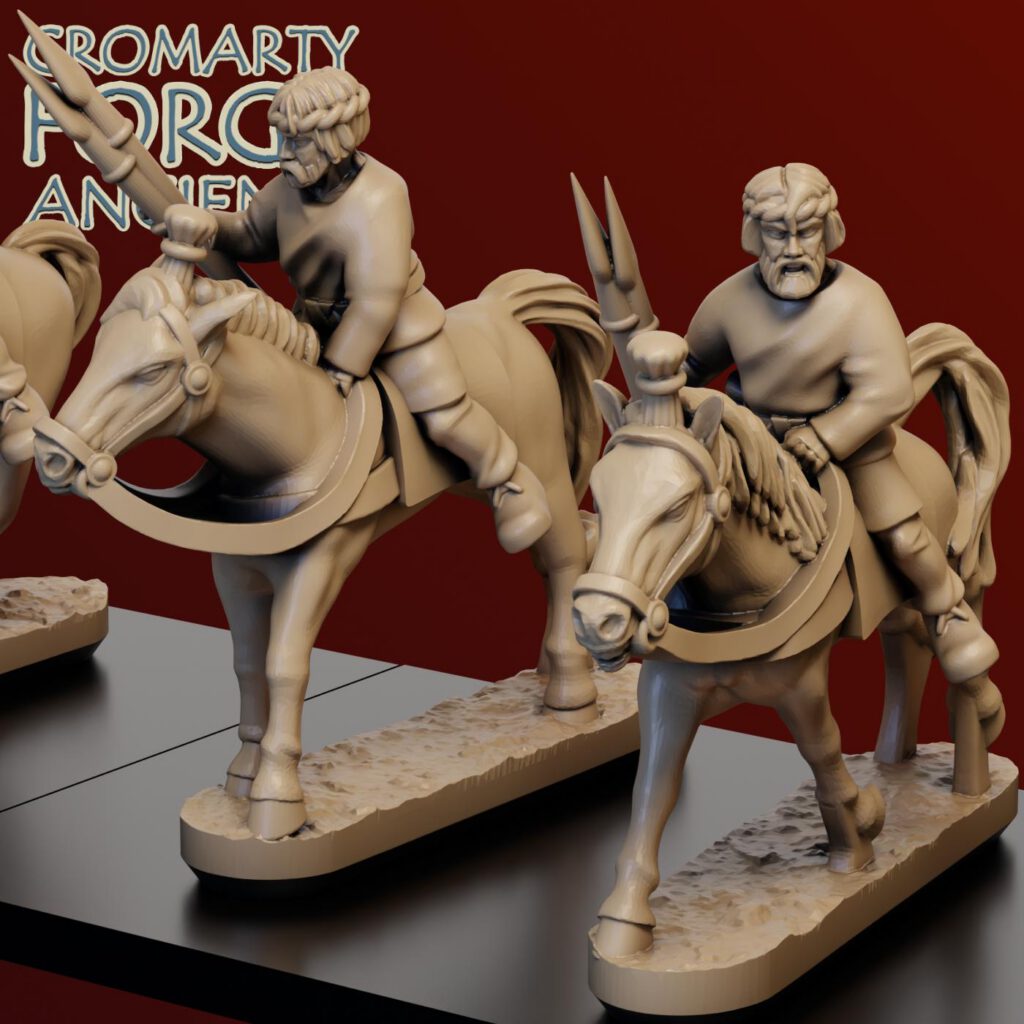
15mm Achaemenid Persians : Light Cavalry
£6.00 -
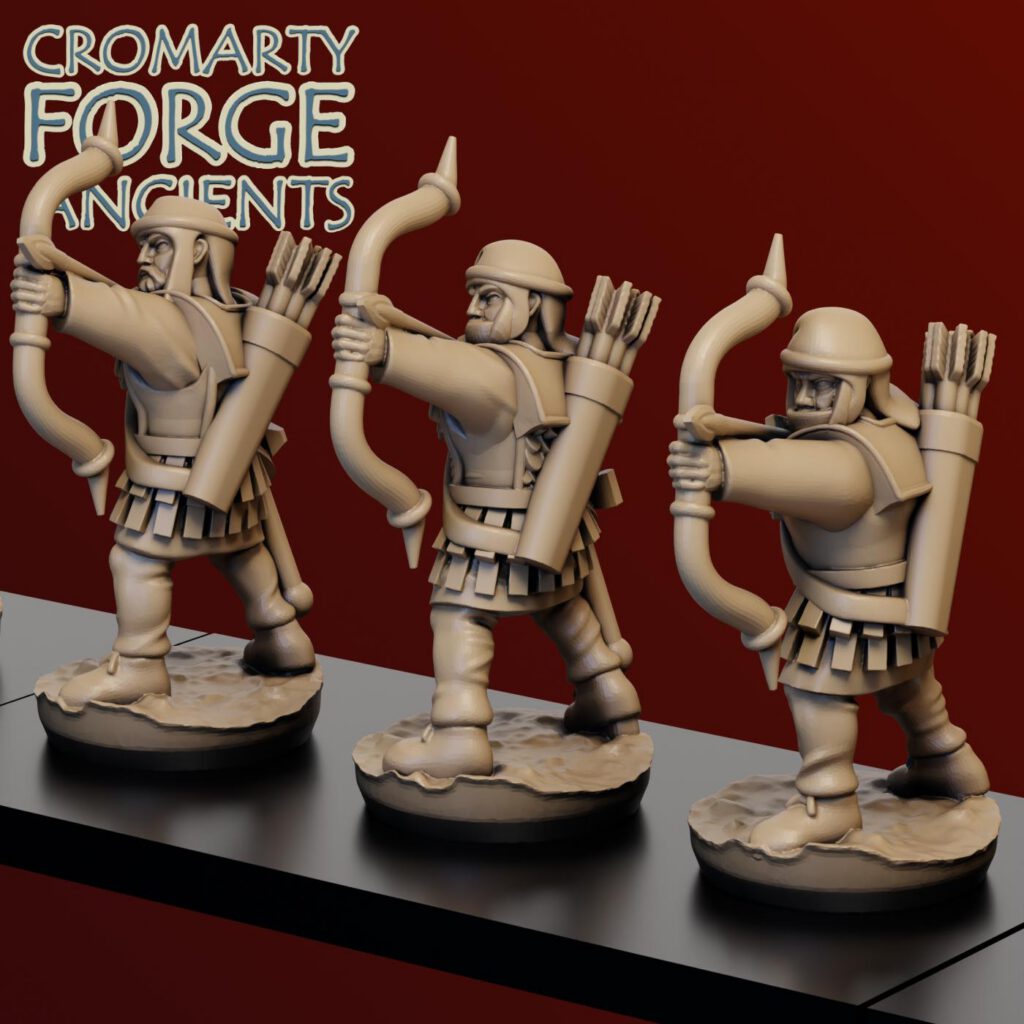
15mm Achaemenid Persians : Archer
£8.00 -
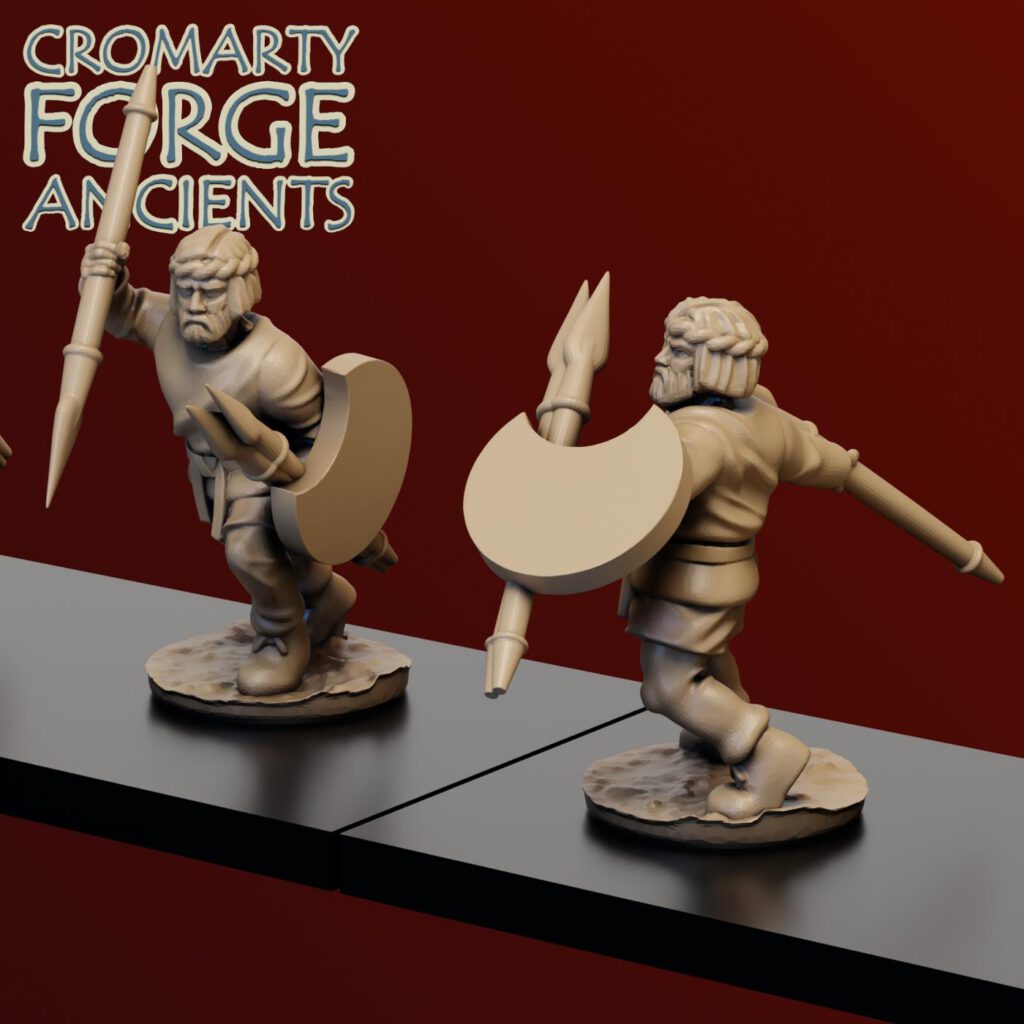
15mm Achaemenid Persians : Peltasts
£6.00 -
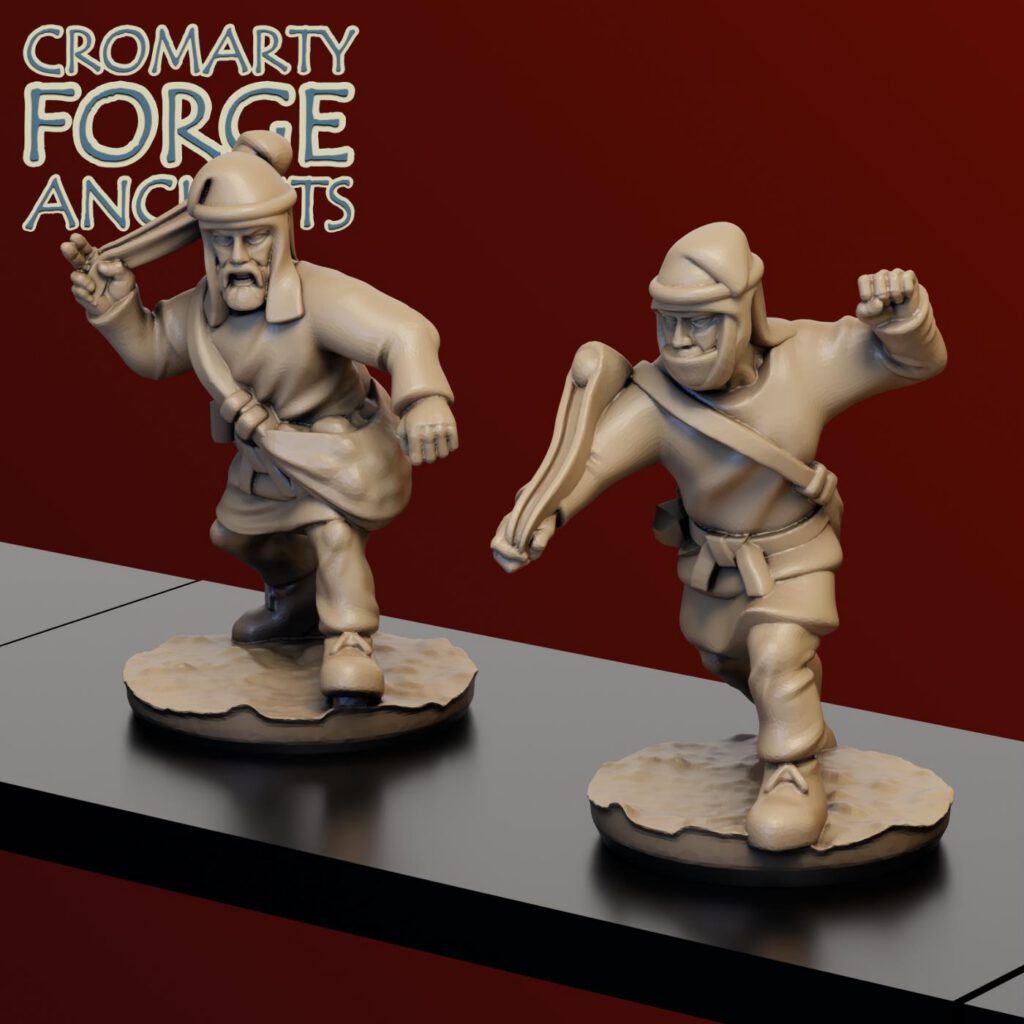
15mm Achaemenid Persians : Slingers
£6.00 -
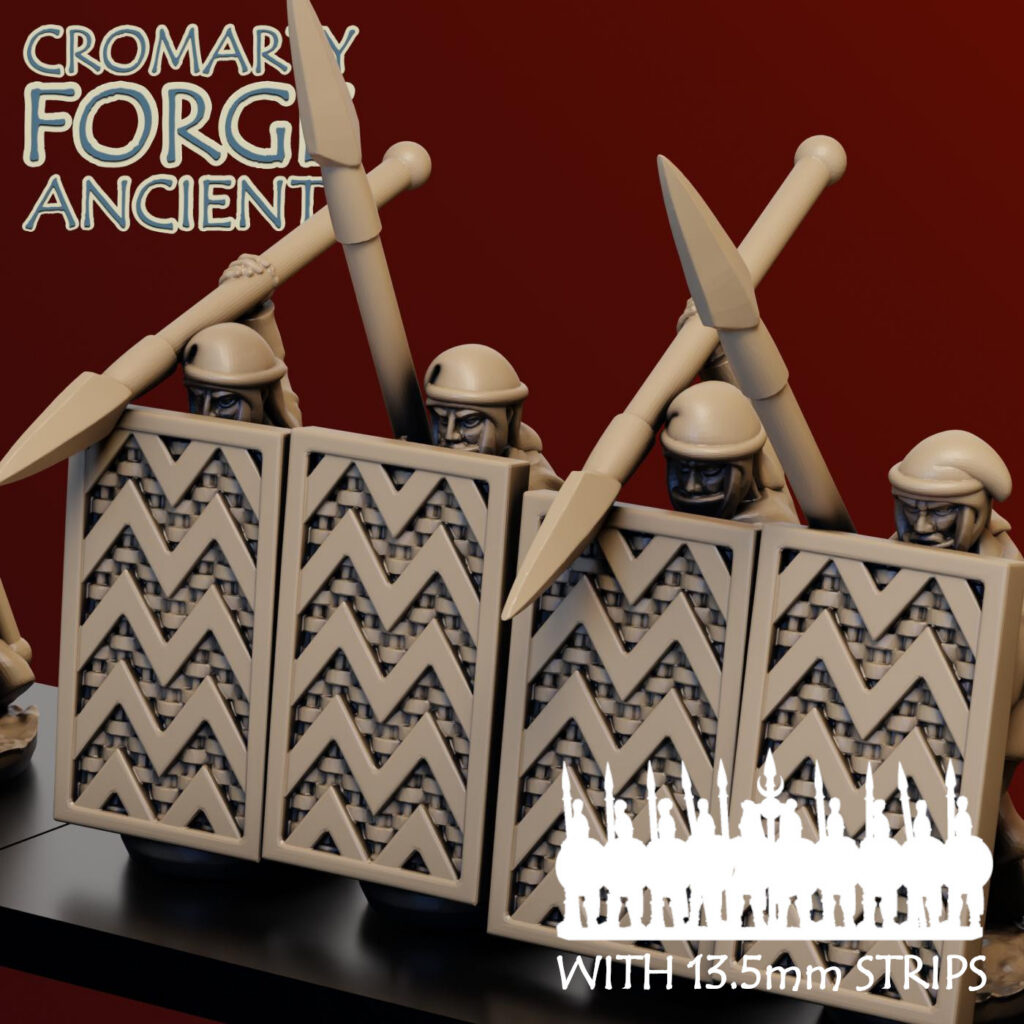
15mm Achaemenid Persians : Sparabara
£8.00
Map credits:
Basemap and geographic features from Natural Earth (naturalearthdata.com). Map built in QGIS.
Historical overlays digitised by the author from historical sources for educational and illustrative use.