
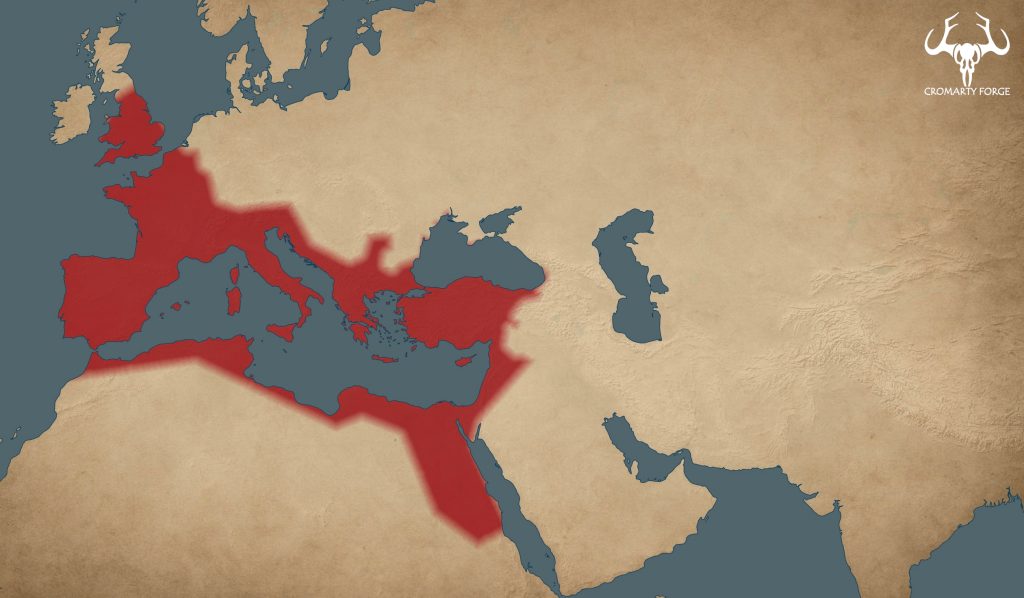
Early Imperial Roman Army
The Early Imperial Roman army became the most professional and disciplined military force the ancient world had ever seen. With the Republic shattered and personal armies a recent memory, Augustus reshaped the military into a standing force loyal to the emperor. This transformation was central to stabilising the new imperial regime.
Augustus condensed the roman military into a force of 28 legions, each composed of Roman citizens. These legions were paired with auxiliary units — non-citizen troops recruited from across the empire, who were granted Roman citizenship upon completing 25 years of service. This system not only expanded Rome’s manpower but also helped integrate provincial populations.
The Legions
A typical legion numbered roughly 5,000 men, organised into ten cohorts, each containing six centuries led by experienced centurions. The first cohort was double-strength and commanded by the Primus Pilus, the senior centurion of the legion. Soldiers received regular pay, were housed in permanent forts, and were rewarded with land grants or cash pensions upon retirement.
This period saw the introduction of the lorica segmentata, a distinctive Roman armour made of overlapping iron strips secured with leather straps and buckles. It offered excellent protection while remaining flexible and relatively lightweight. Though not universally adopted — many legions continued to use chainmail (lorica hamata) or scale armour (lorica squamata) — the segmentata became iconic of the early Imperial legionary.
Standard weapons remained consistent: the gladius (short sword), pilum (heavy throwing spear), and scutum (large rectangular shield) formed the core of the legionary kit.
The auxiliary forces expanded dramatically in both number and function. These units provided archers, slingers, cavalry, Heavy and light infantry, often drawn from ethnic groups with specialised skills — such as Numidian cavalry, Batavian infantry, and Thracian skirmishers. Auxiliaries garrisoned frontier provinces alongside the legions, offering tactical diversity and local expertise.
By the mid-3rd century CE, however, this system began to strain under the weight of internal unrest, economic instability, and external invasions. The cracks in Augustus’ military legacy set the stage for the chaotic Late Imperial period.
The Early Imperial Romans 10mm STL Files
The army list here is intended to represent the Early Imperial Roman Army from ca. 20BCE – 268CE.
Where possible I have sculpted models to be self supporting. I add supports during my sculpting process rather than afterward. The integration of supports into design allows me to reduce the number of supports needed, and to position them more favourably. My supports need to be removed with clippers or a scalpel. All models requiring supports are also supplied in an unsupported format.
Some infantry models are supplied strip mounted. Strip mounted models are supplied on strips intended for use on 40mm wide bases. Where models are strip mounted individually mounted models are also supplied.
-
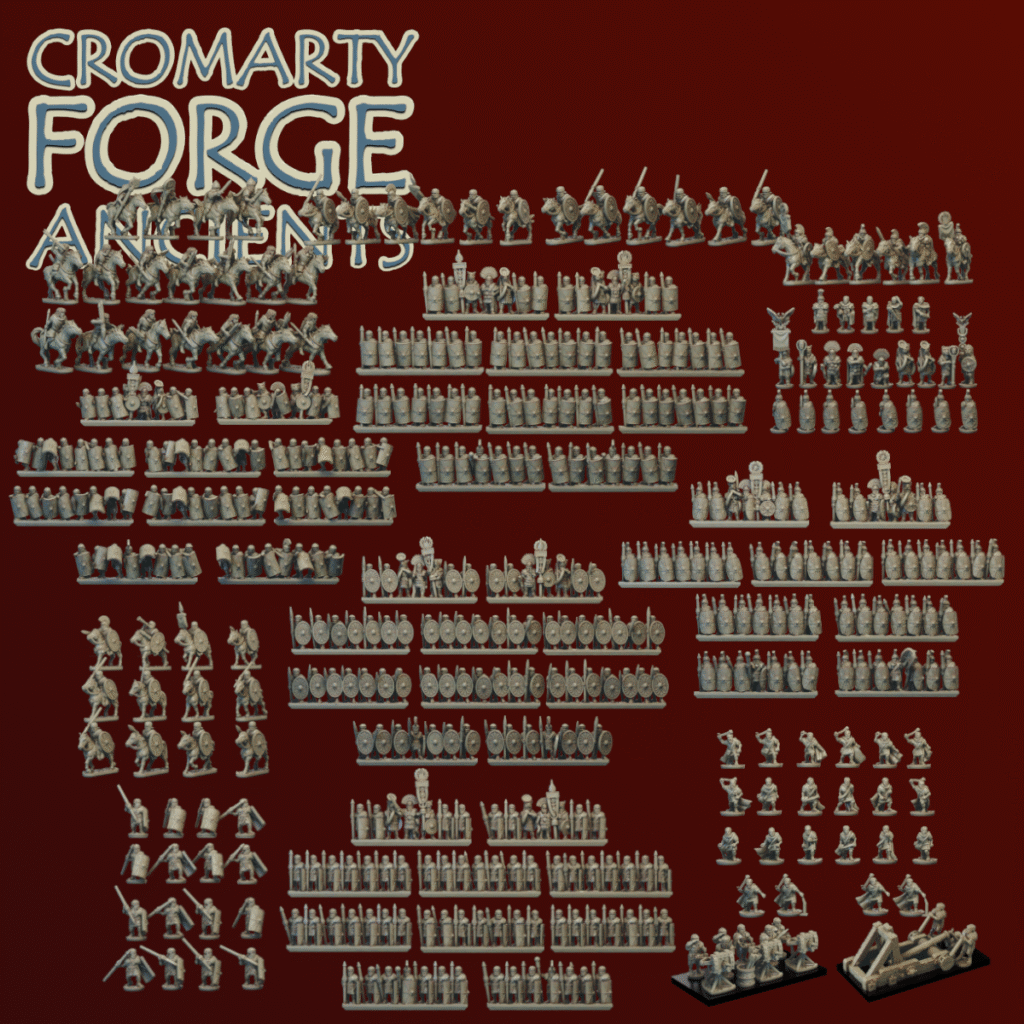
10mm Imperial Romans Full Army
£45.00 -
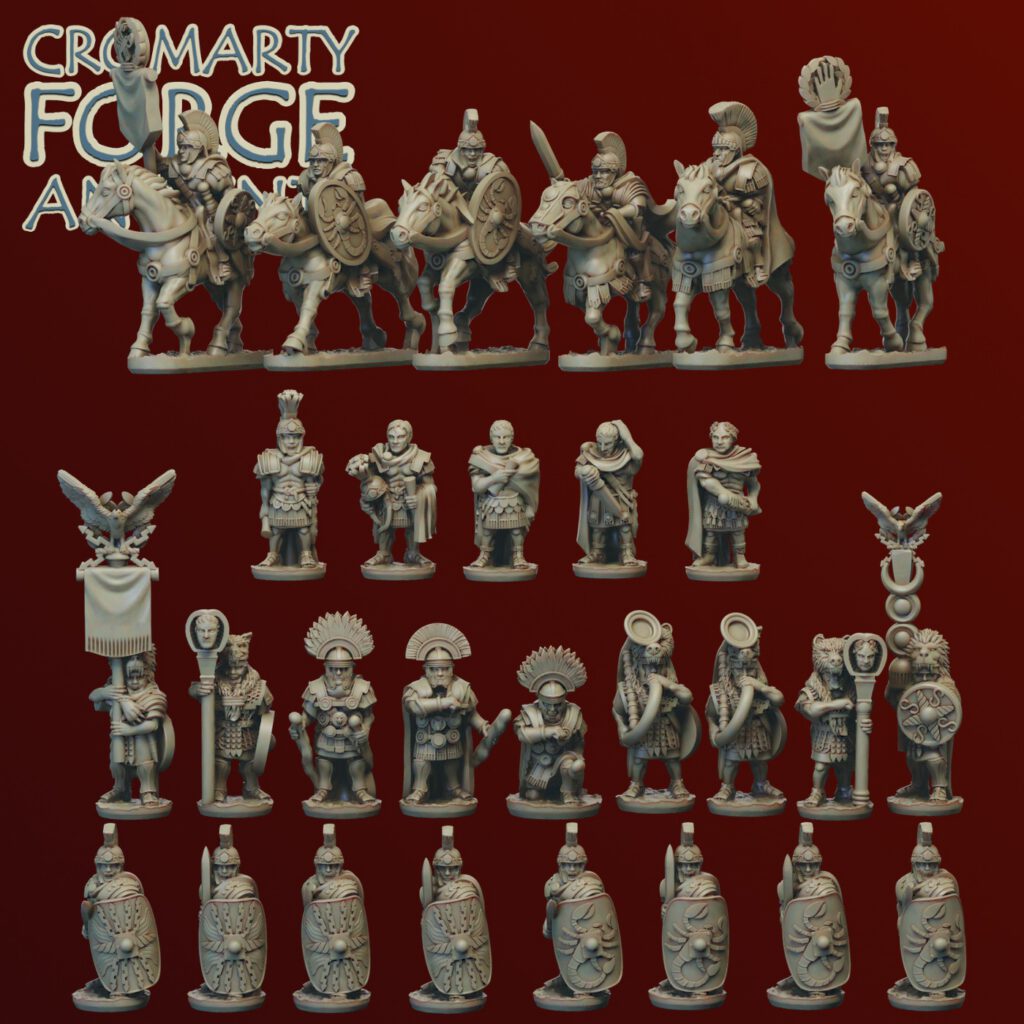
10mm Imperial Romans: Command Pack
£6.00 -
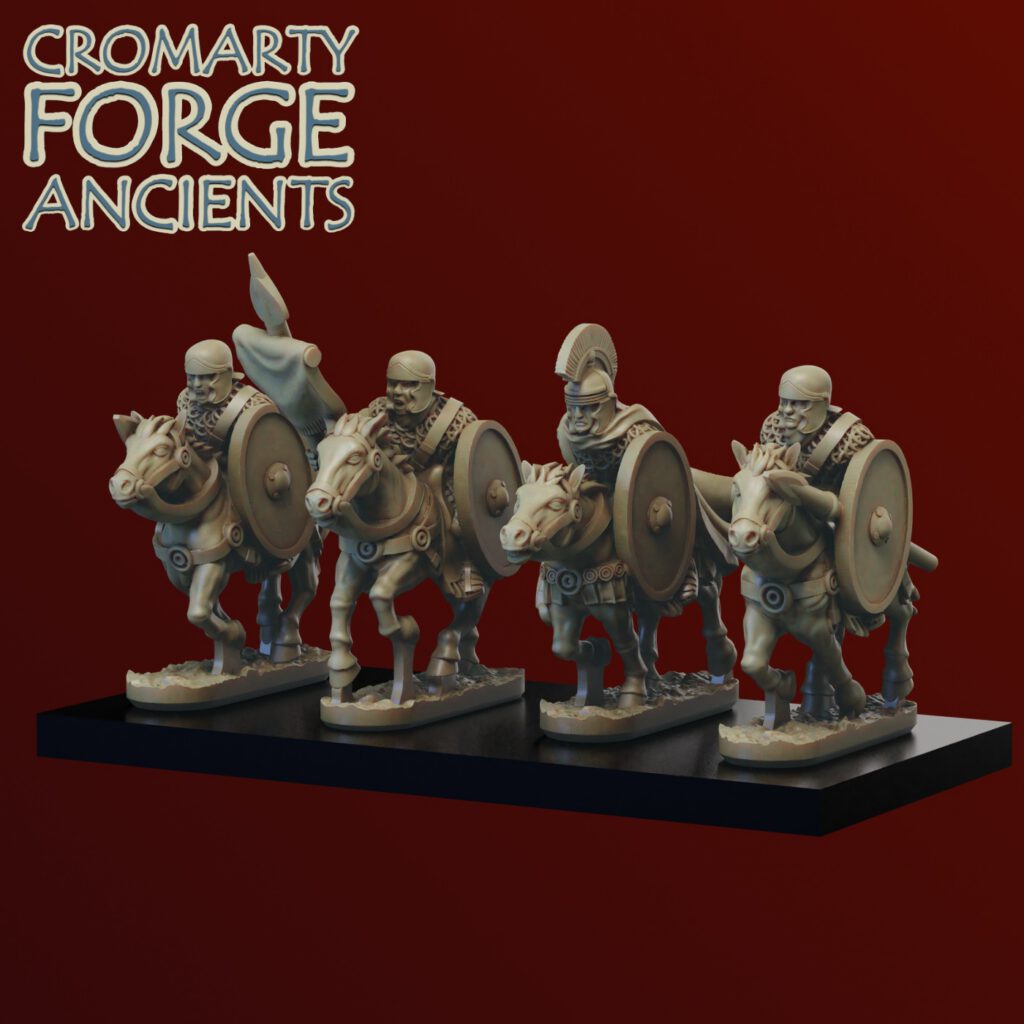
10mm Imperial Romans: Auxiliary Cavalry
£6.00 -
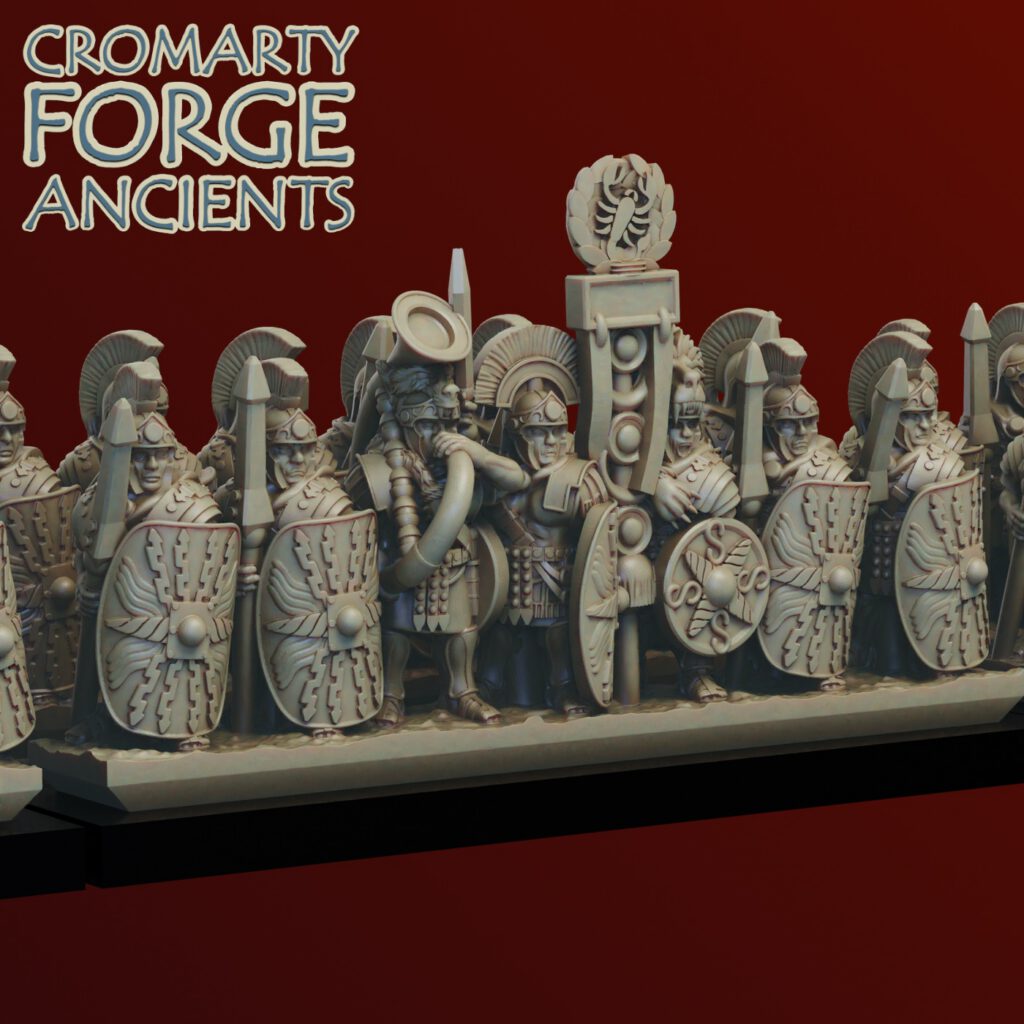
10mm Imperial Romans: Praetorian Guard
£6.00 -
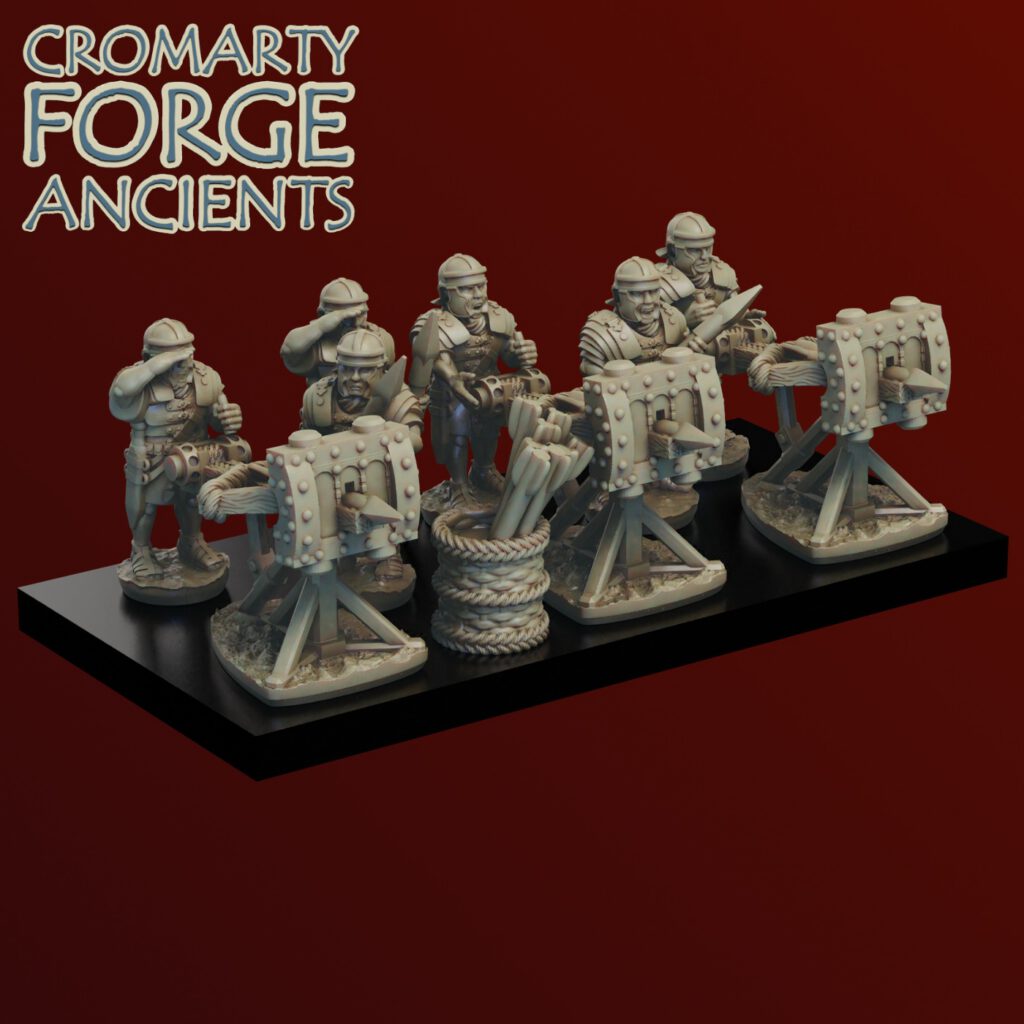
10mm Imperial Romans: Artillery
£6.00 -
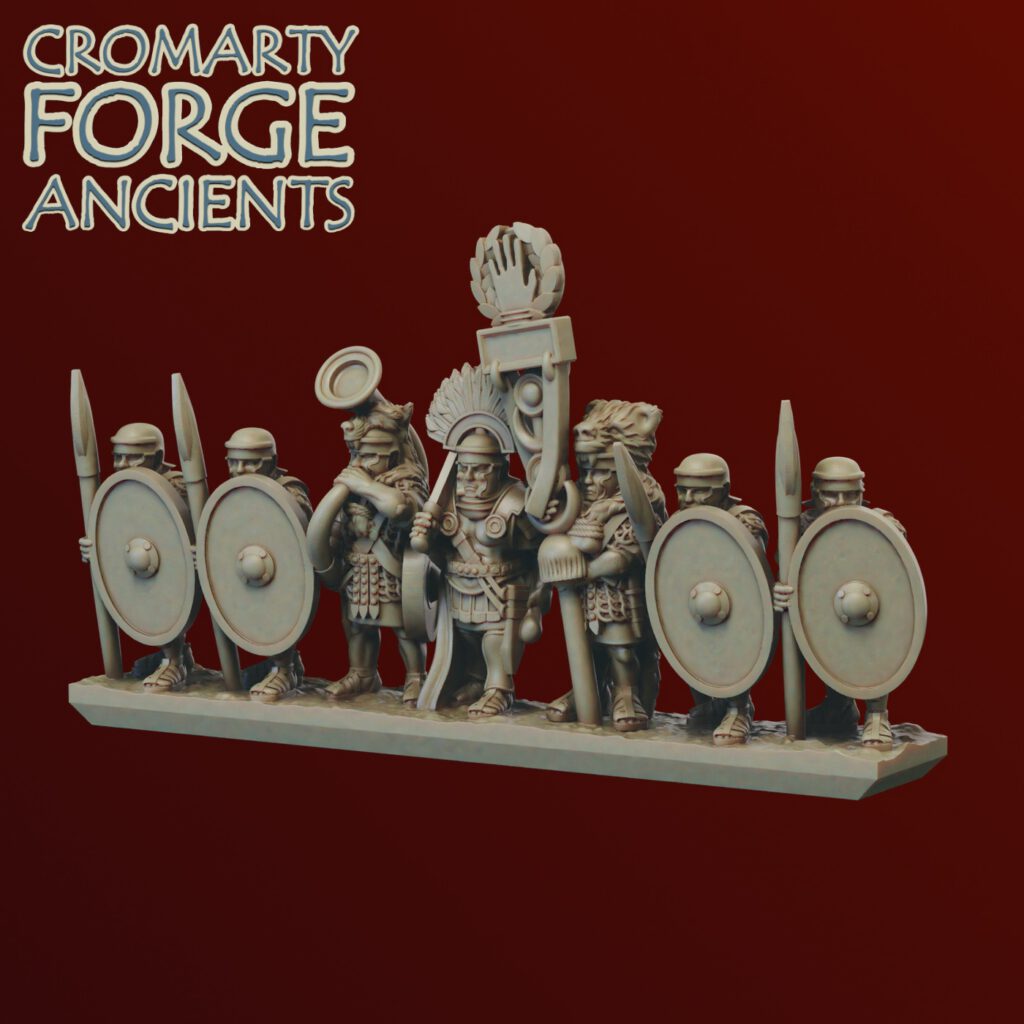
10mm Imperial Romans: Auxiliaries
£6.00 -
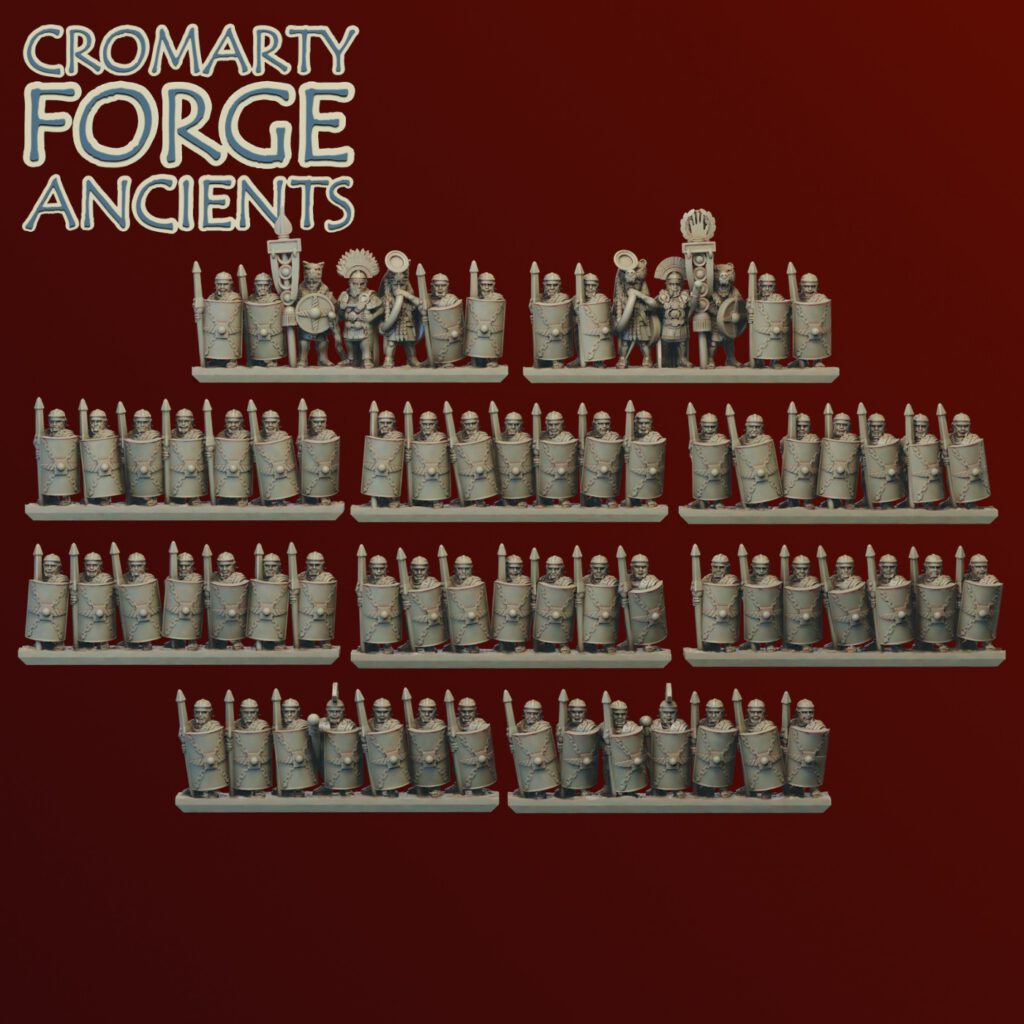
10mm Imperial Romans: Legionaries
£6.00 -
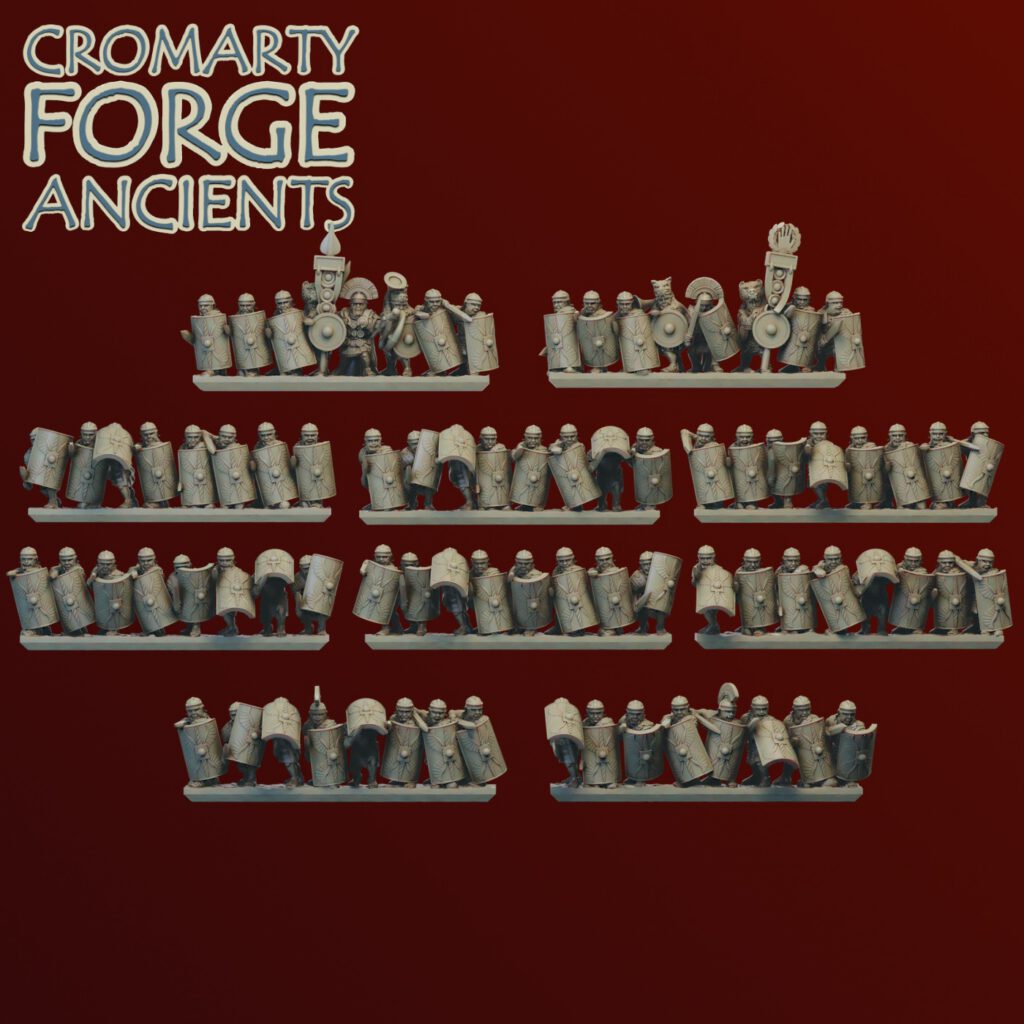
10mm Imperial Romans: Legionaries Attacking
£6.00 -
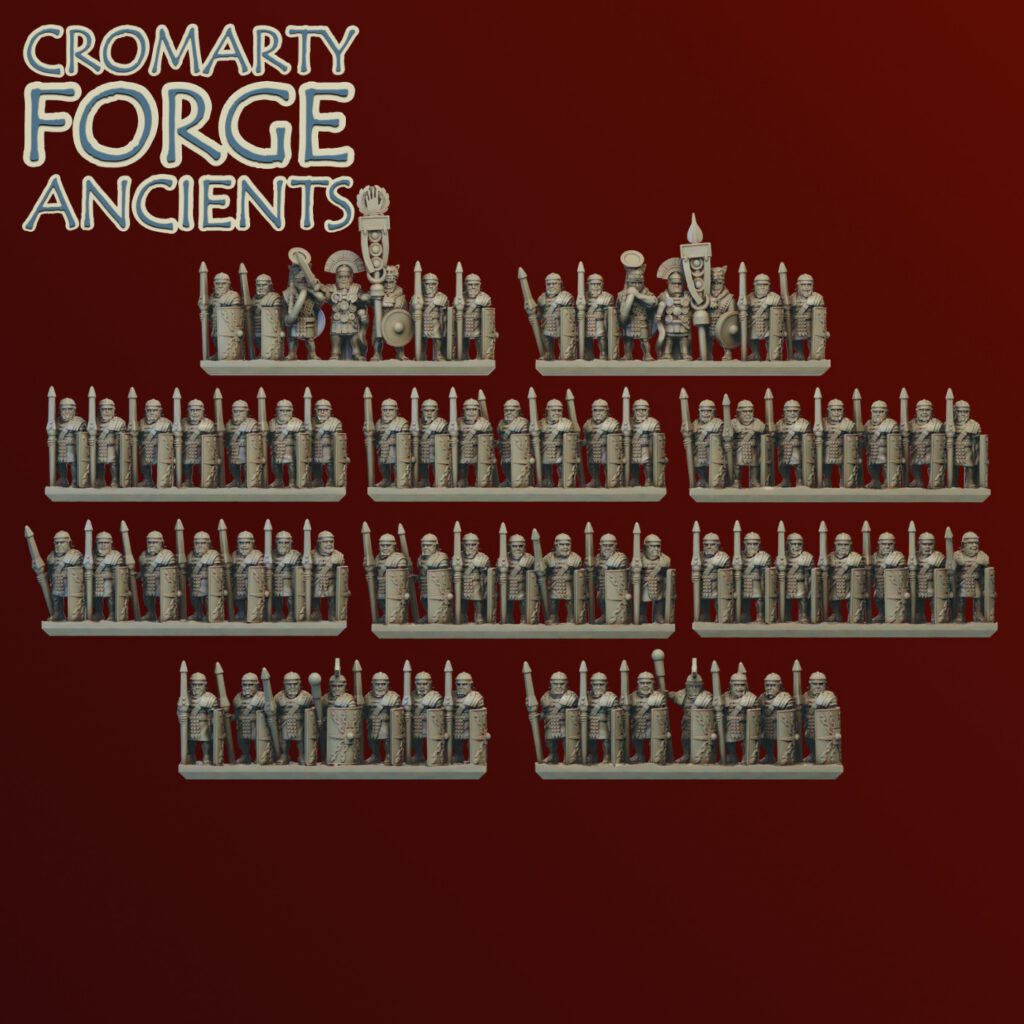
10mm Imperial Romans: Legionaries Ready
£6.00 -
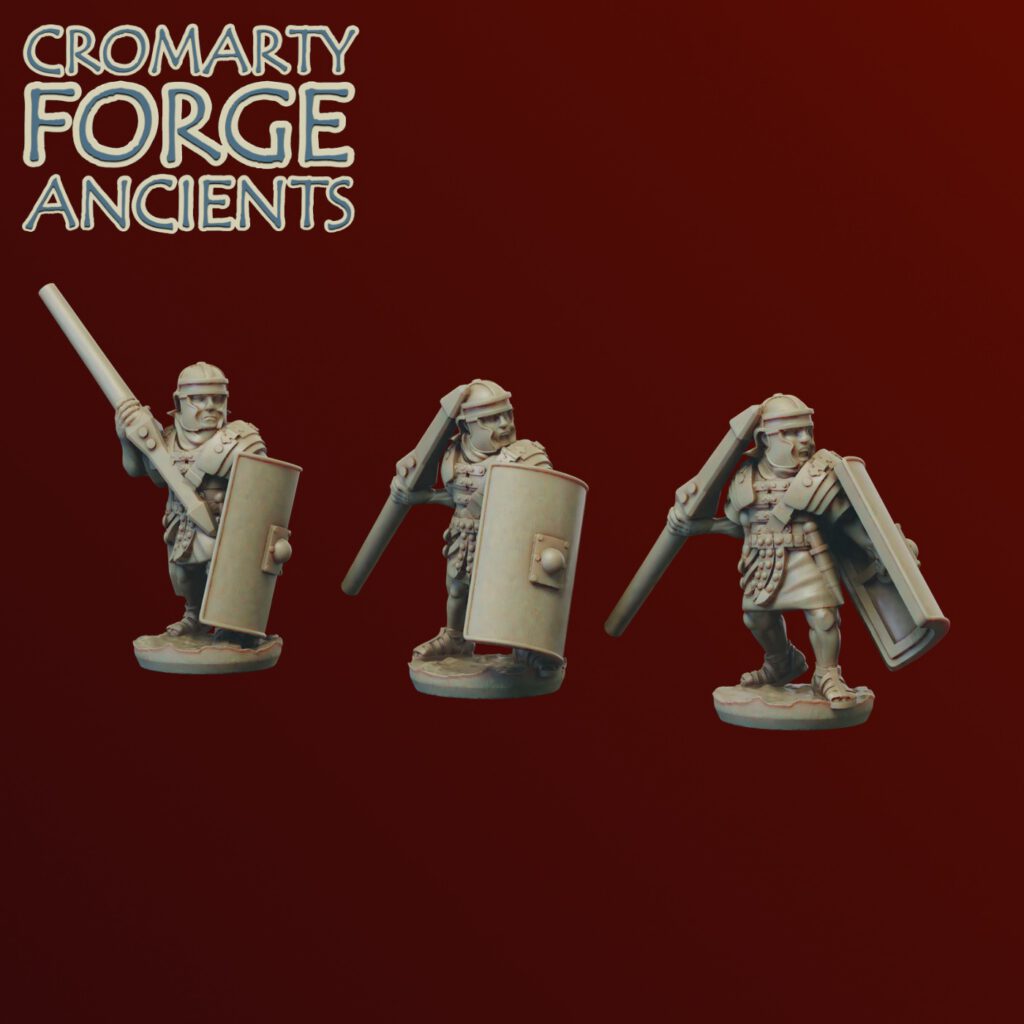
10mm Imperial Romans: Legionaries Throwing Pila
£4.00 -
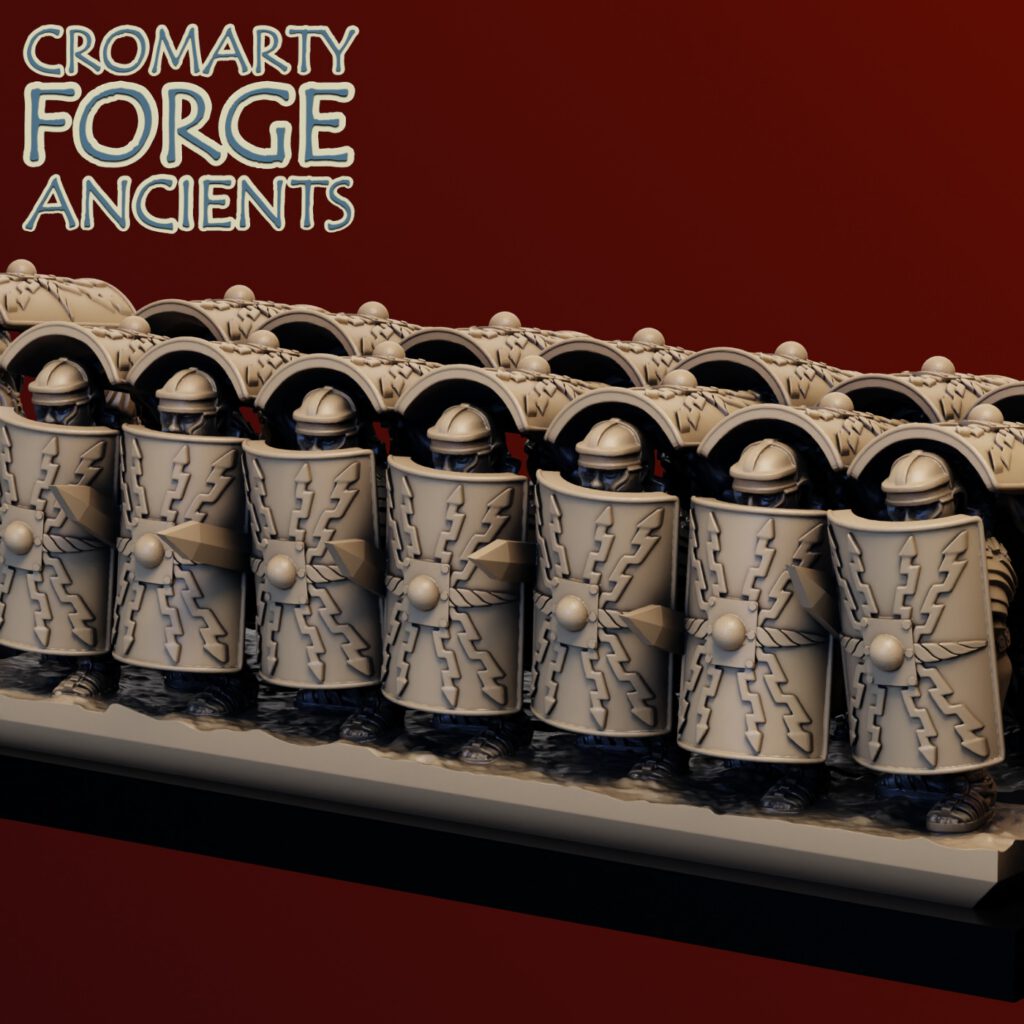
10mm Imperial Romans: Testudo
£5.00 -
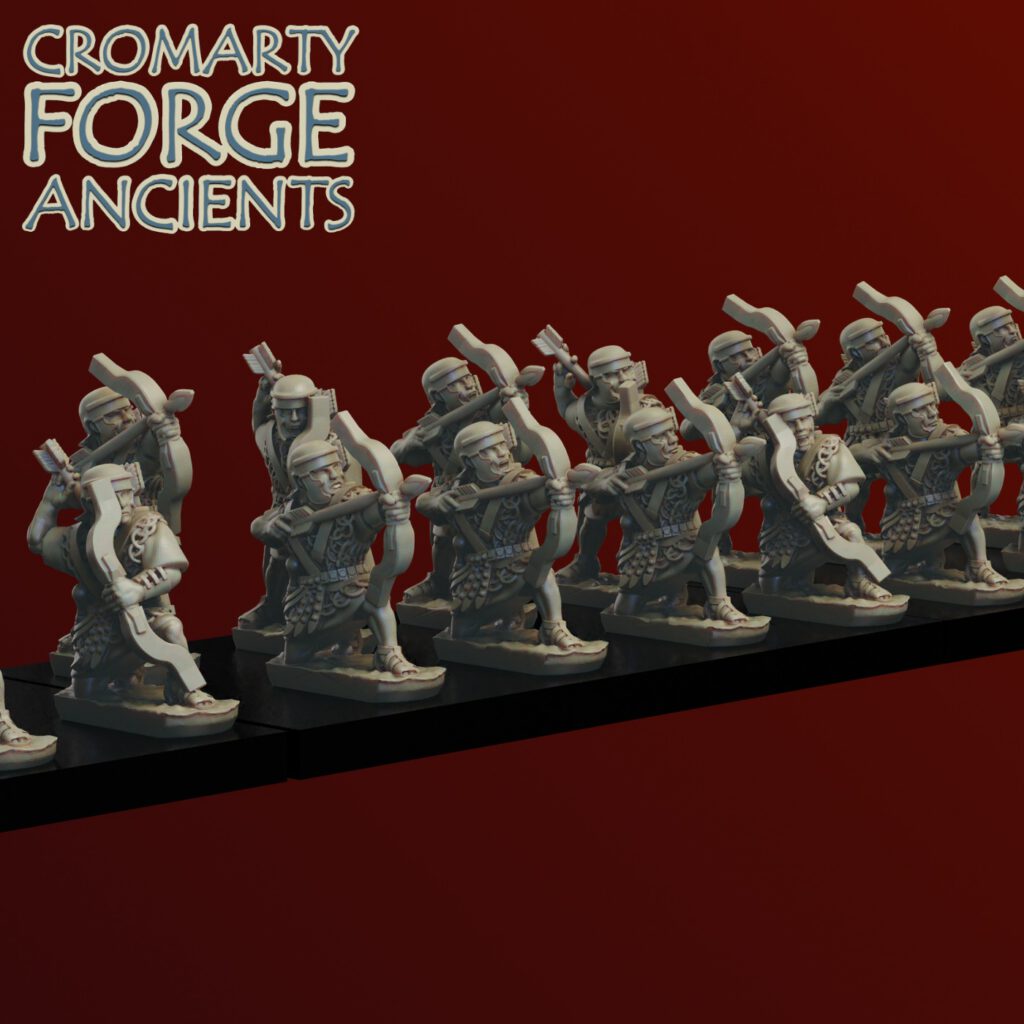
10mm Imperial Romans: Archers
£5.00 -
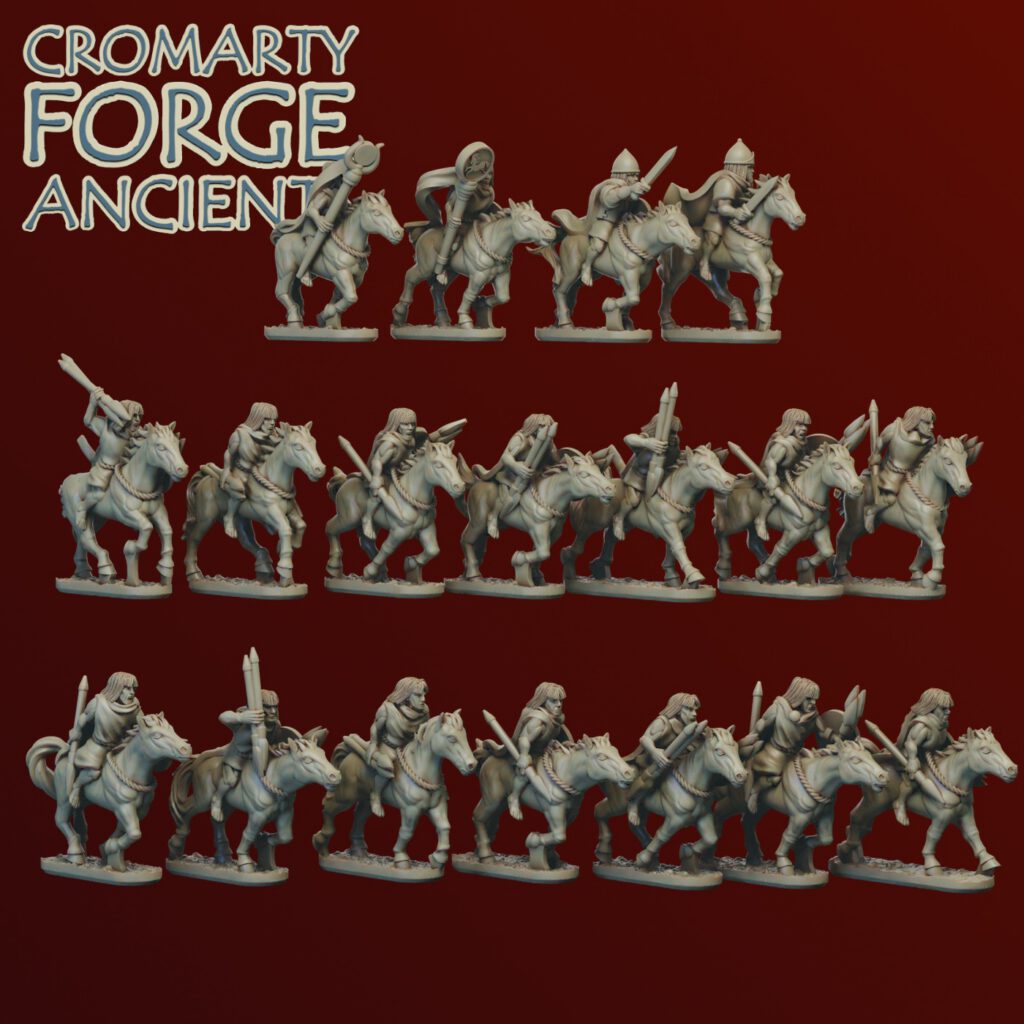
10mm Imperial Romans: Numidian Cavalry
£5.00 -
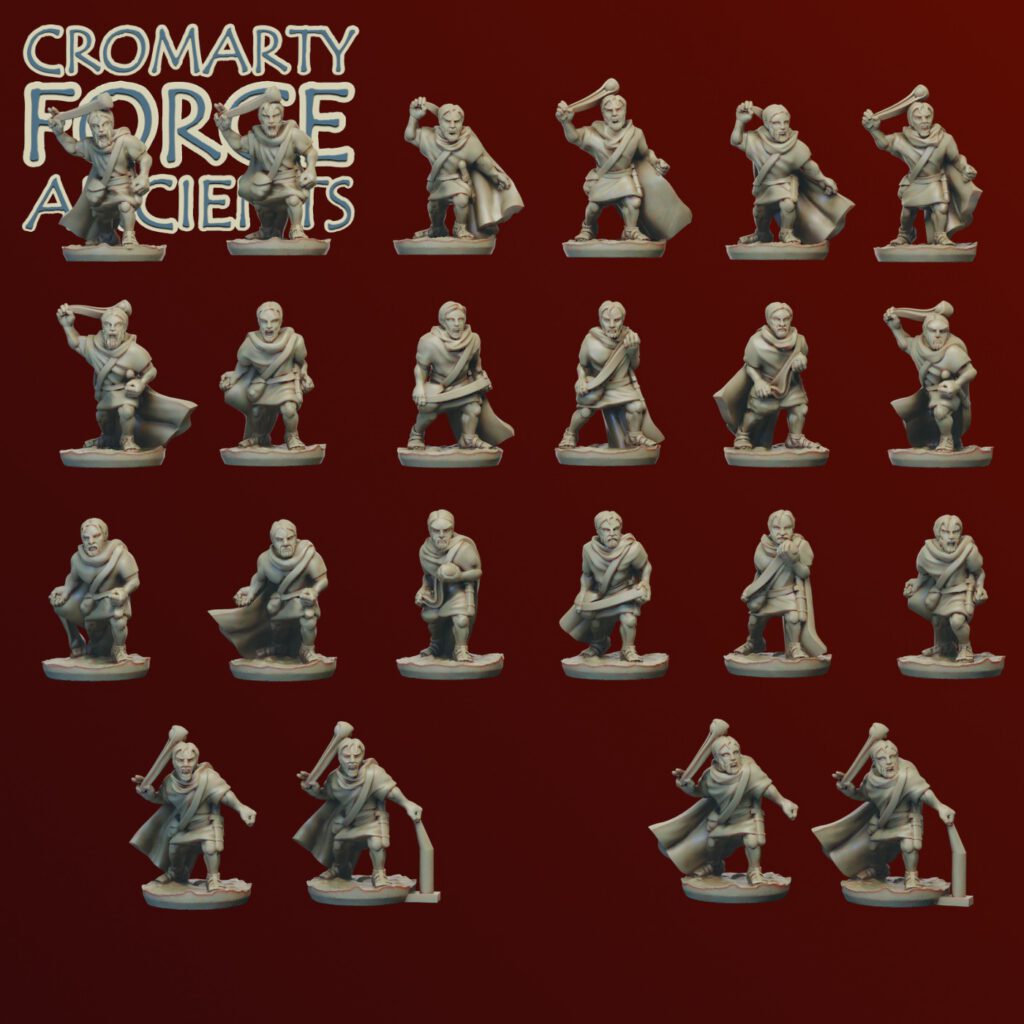
10mm Imperial Romans: Slingers
£4.00 -
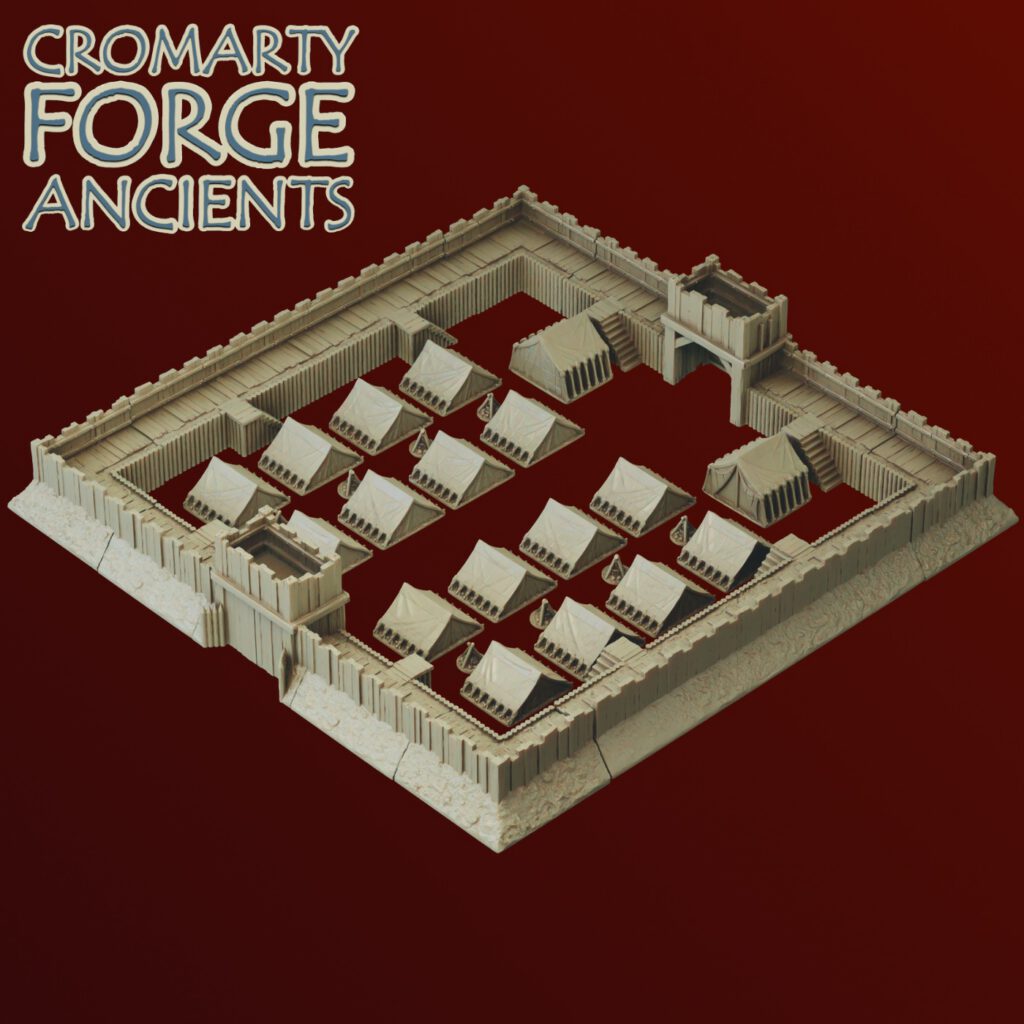
10mm Roman Camp – Modular
£8.00
Map credits:
Basemap and geographic features from Natural Earth (naturalearthdata.com). Map built in QGIS.
Historical overlays digitised by the author from historical sources for educational and illustrative use.