
Your basket is currently empty!
Numidians 15mm
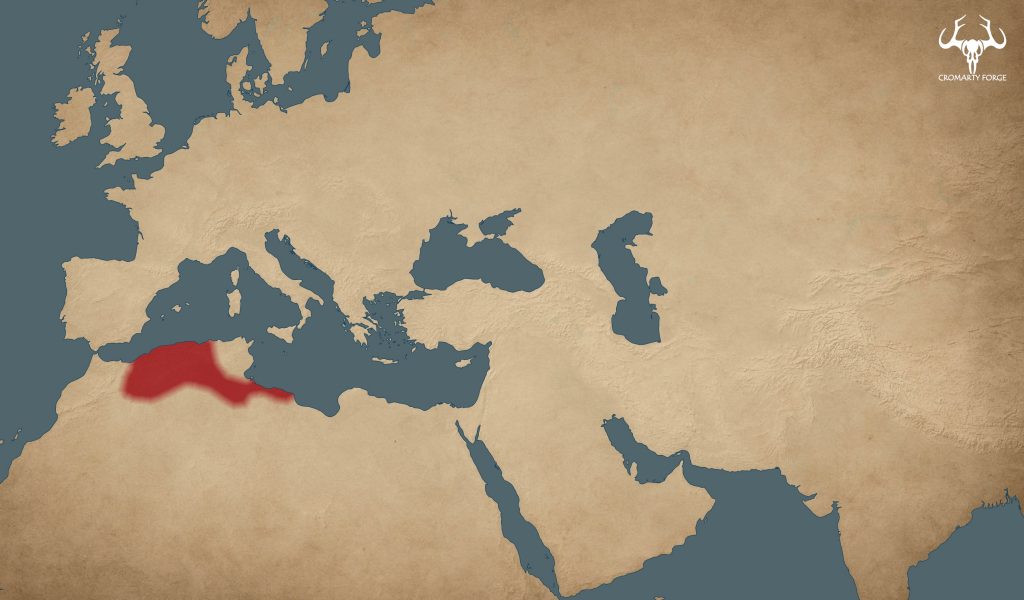
The Numidians
The Numidians were Berber peoples inhabiting Northwest Africa, primarily in what is now Algeria and Tunisia. Originally divided into tribal confederations — notably the Masaesyli in the west and the Massylii in the east — they were unified under King Masinissa during the Second Punic War (218–201 BCE). Though often overshadowed by their larger neighbours, the Numidians fielded some of the most effective light cavalry of the ancient world.
Numidian horsemen were famed for their speed, agility, and tactical finesse. Riding small, hardy horses without saddles or bridles — guided only by rope harnesses and riding sticks — they relied on mobility over armour. Armed with javelins, short swords, and round leather shields, they excelled in hit-and-run tactics, harassment, and feigned retreats, often disrupting enemy formations and supply lines. Their cavalry played a decisive role in battles such as Cannae, where they helped Hannibal encircle and destroy a Roman army, and Zama, where Masinissa’s riders tipped the balance in favour of Rome.
Large Mounts, and mounts in large amounts
Though primarily known for their cavalry, Numidian forces also employed war elephants, especially in earlier conflicts and ceremonial displays. These elephants, likely of North African origin, were used to intimidate and break enemy lines, though they were less numerous and less central than those of Carthage.
Initially allied with Carthage, Numidian troops fought under Hannibal during his Italian campaign. Masinissa later defected to Rome, aiding Scipio Africanus in the final defeat of Carthage. After the war, Numidia emerged as a powerful Roman ally — and at times, a strategic rival. Its kings, especially Masinissa and later Jugurtha, played complex diplomatic games, balancing autonomy with Roman favour.
By the 1st century BCE, Numidia became entangled in Roman civil conflicts. King Juba I, siding with Pompey against Julius Caesar, was defeated at Thapsus. In 46 BCE, Numidia was annexed and absorbed into the Roman province of Africa Nova, ending its independence but not its legacy. Numidian cavalry continued to serve in Roman armies for centuries, remembered for their unmatched speed and battlefield cunning.
Numidians 15mm STL Files
The army list here is intended to represent the Numidians from ca. 300BCE – 100CE
Where possible I have sculpted models to be self supporting. I add supports during my sculpting process rather than afterward. The integration of supports into design allows me to reduce the number of supports needed, and to position them more favourably. My supports need to be removed with clippers or a scalpel. All models requiring supports are also supplied in an unsupported format.
Some infantry models are also supplied in 13.5mm scale strips. Strip mounted models are supplied on strips intended for use on 60mm wide bases. If you wish to print my 15mm sculpts in 13.5mm please scale them by 0.9.
-
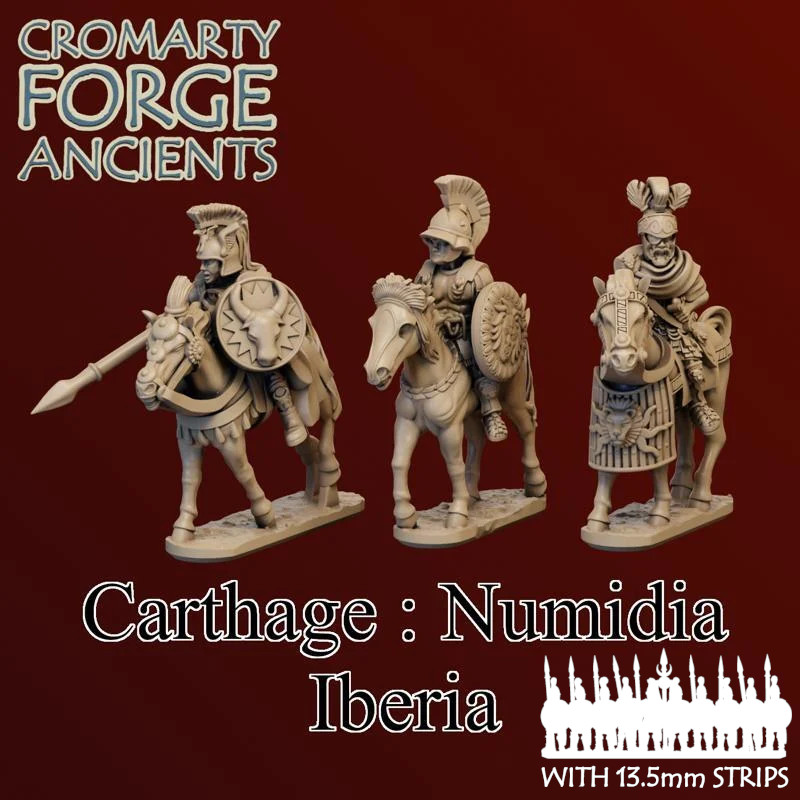
15mm Carthage Army with Allies
£65.00 -
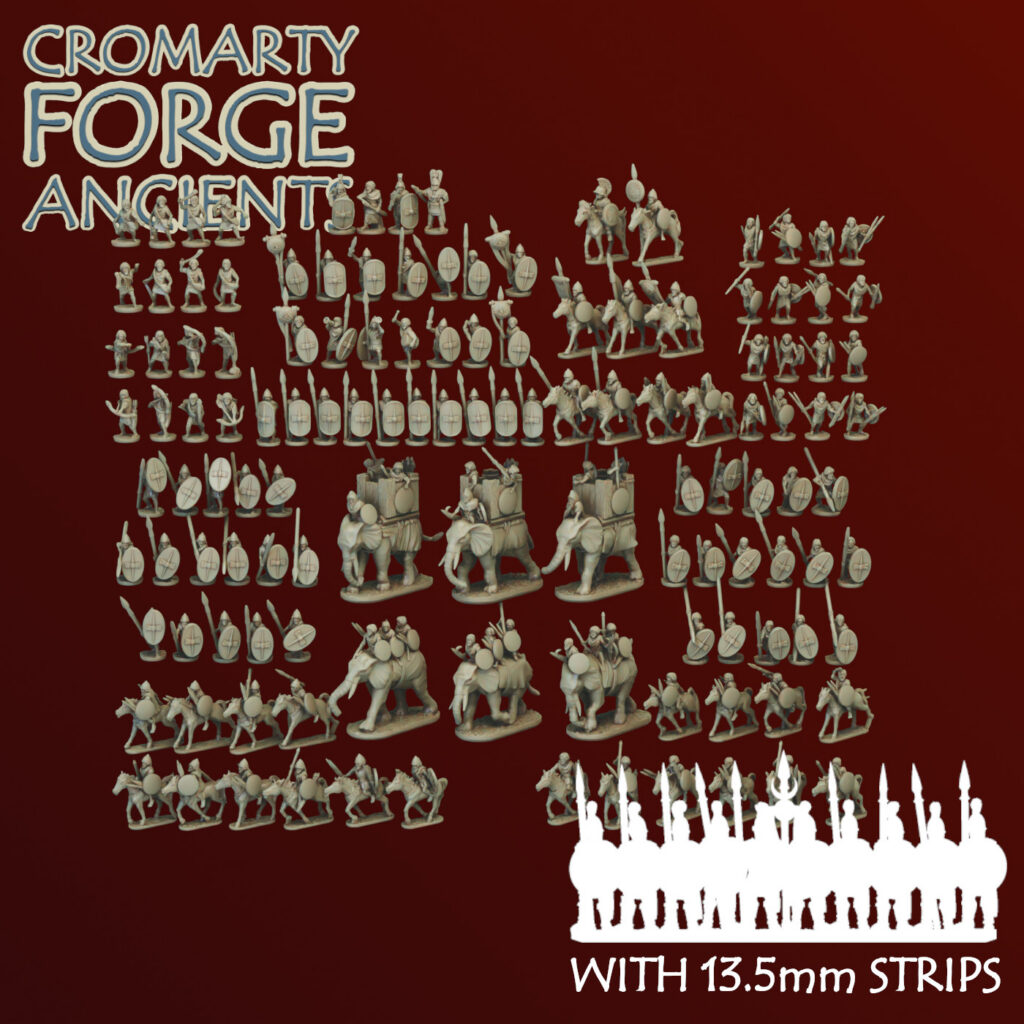
15mm Numidians: Army
£30.00 -
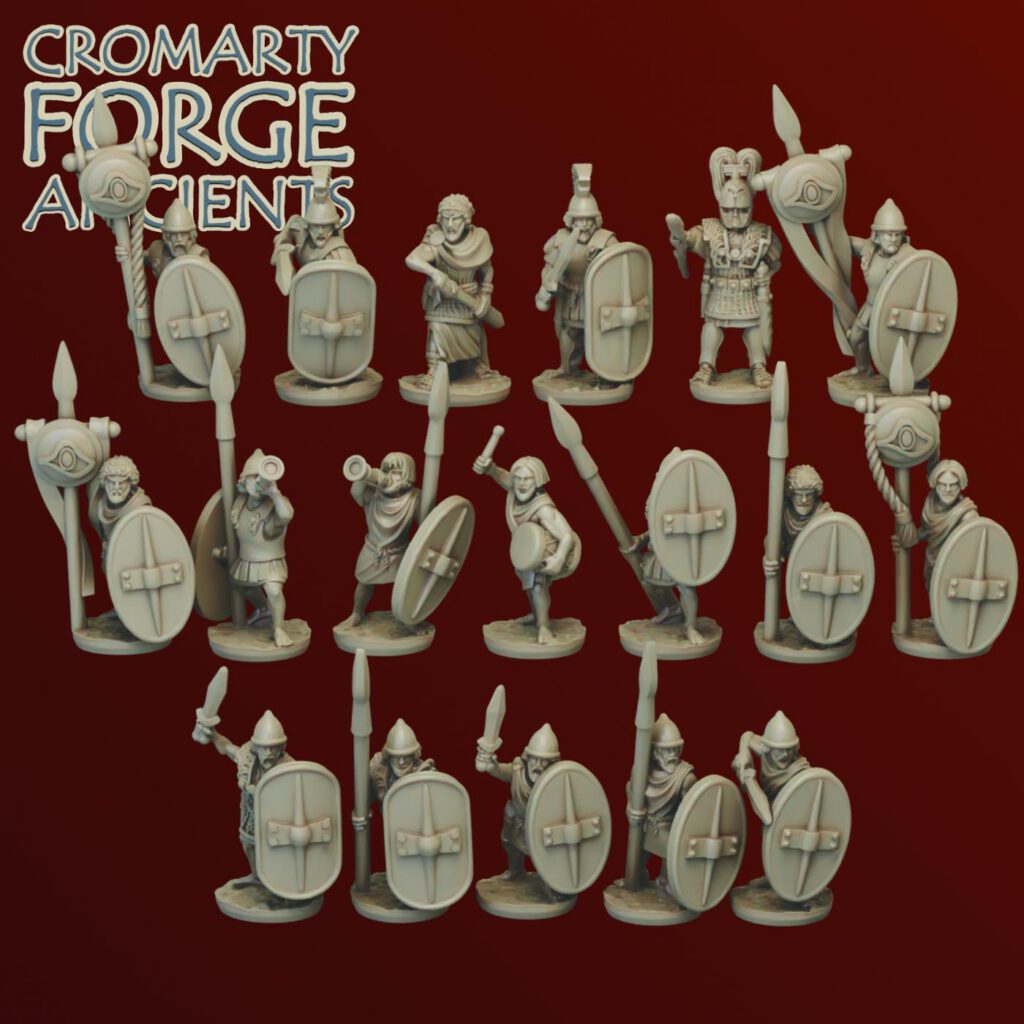
15mm Numidians: Command
£8.00 -
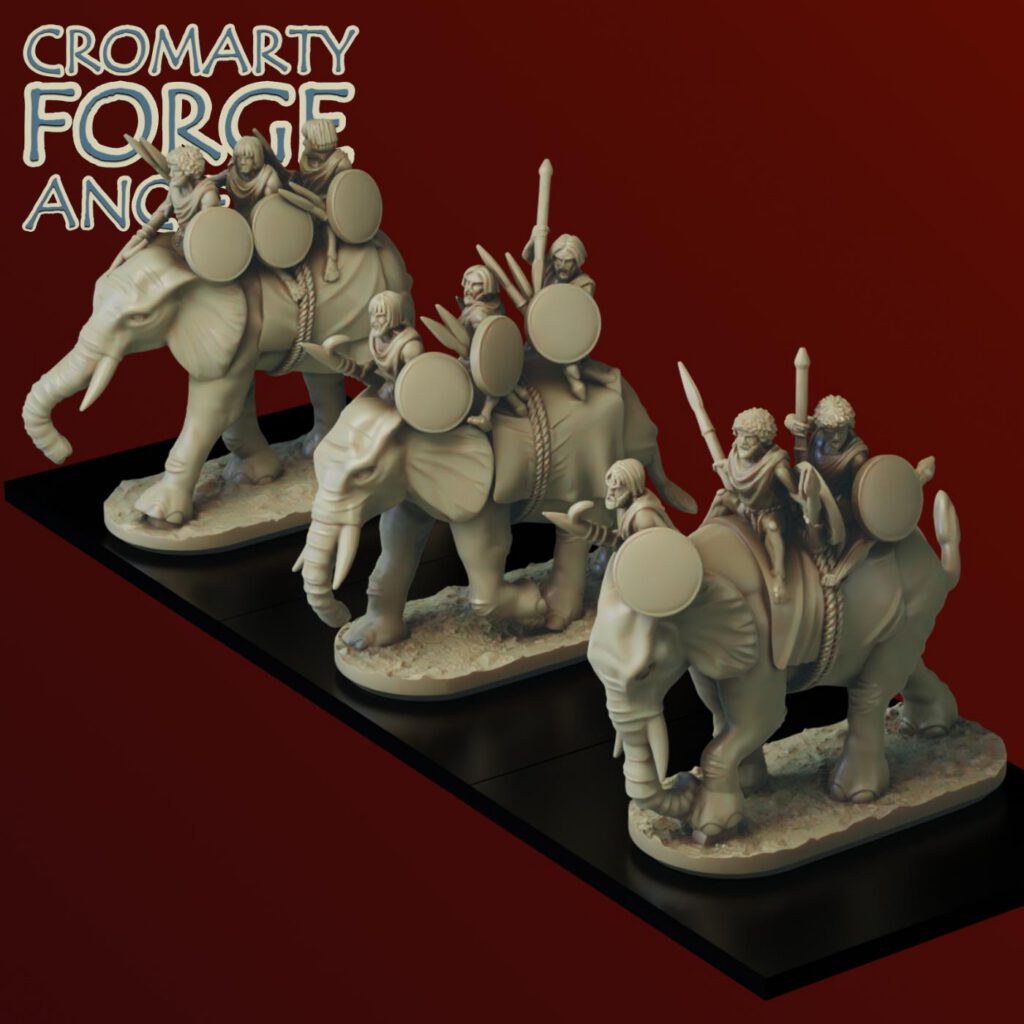
15mm Numidians: Elephants
£7.00 -
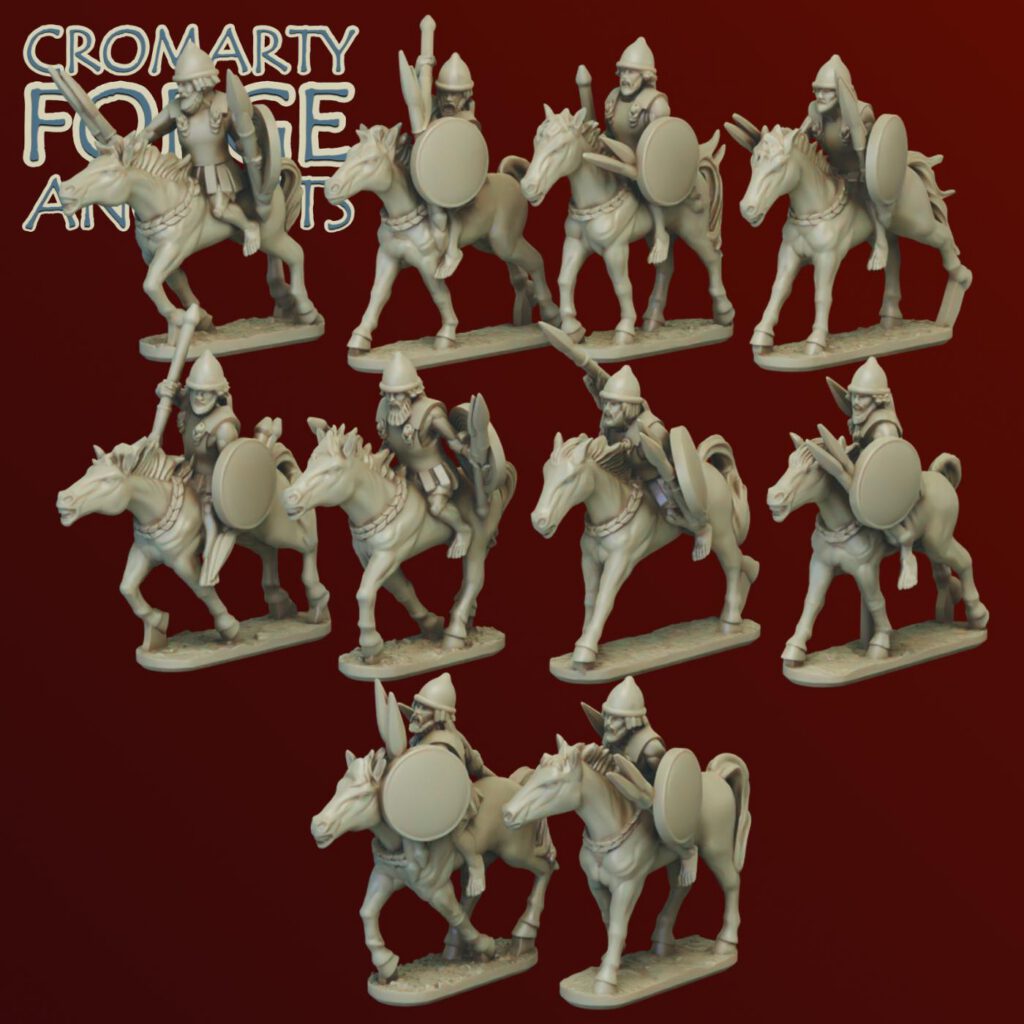
15mm Numidians: Armoured Cavalry
£6.00 -
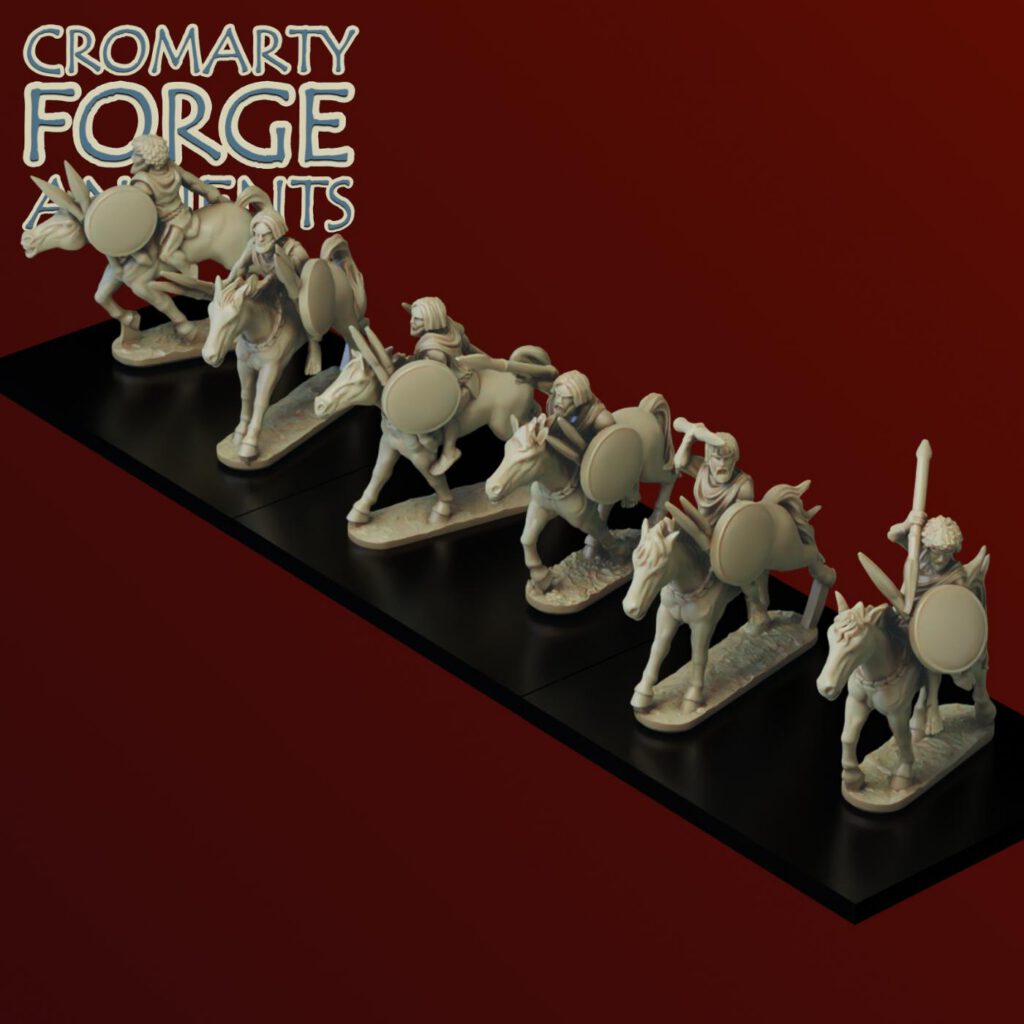
15mm Numidians: Light Cavalry
£6.00 -
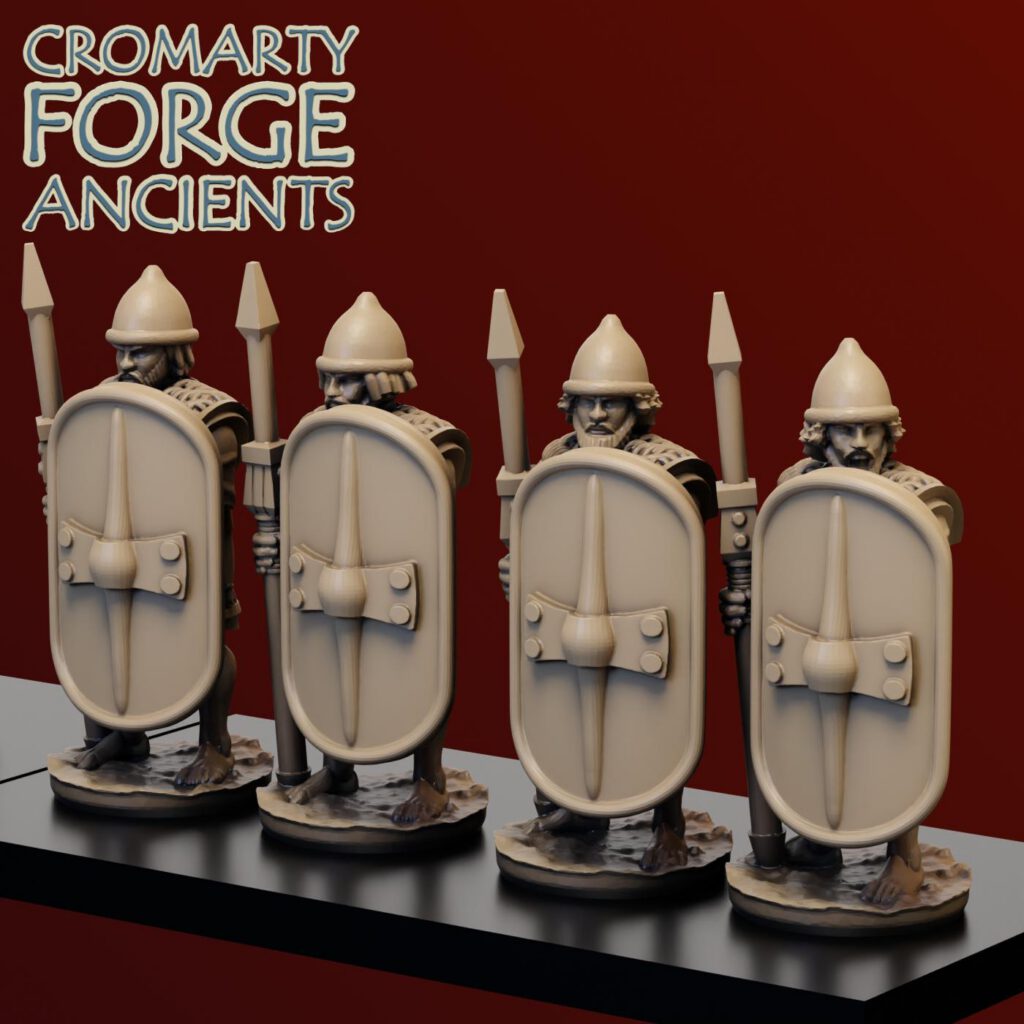
15mm Numidians: Armoured with Pilum and Gladius
£6.00 -
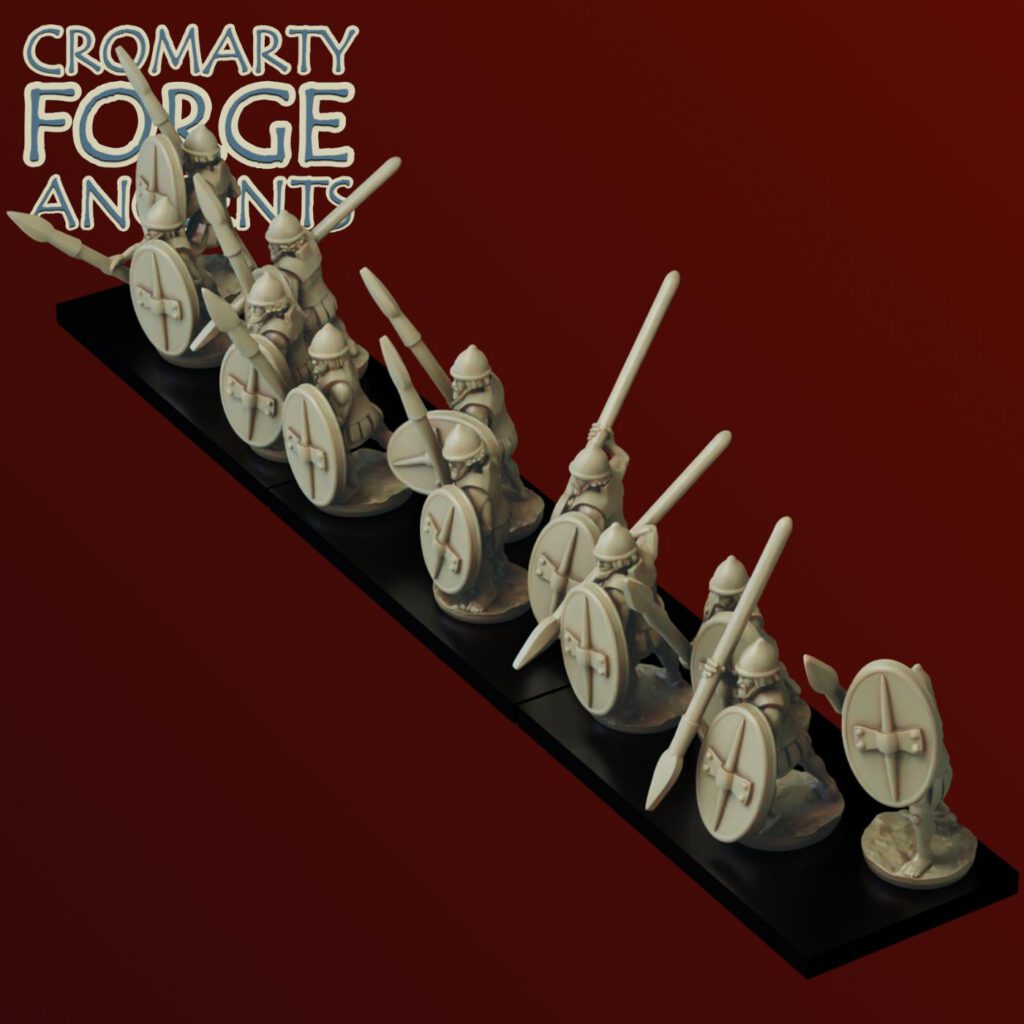
15mm Numidians: Armoured Spear
£6.00 -
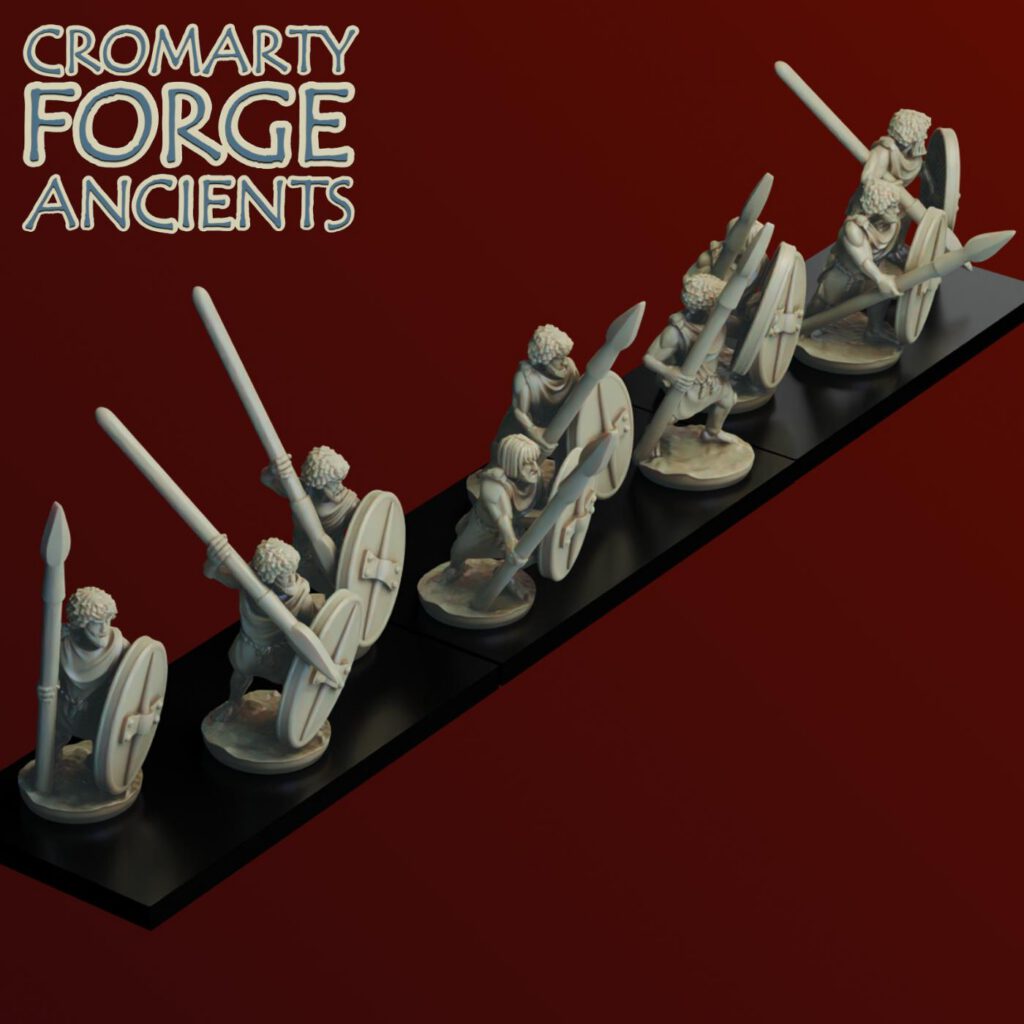
15mm Numidians: Spear
£6.00 -
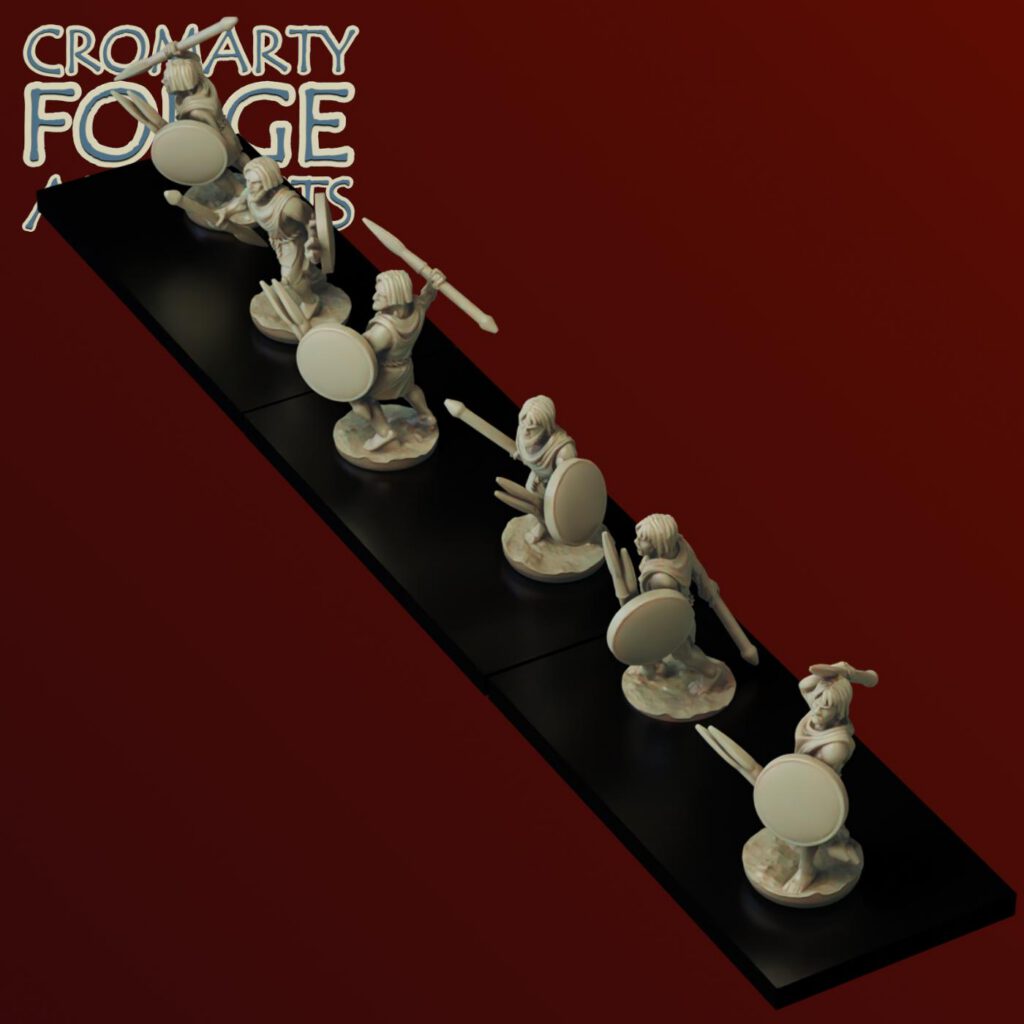
15mm Numidians: Javelins
£6.00 -
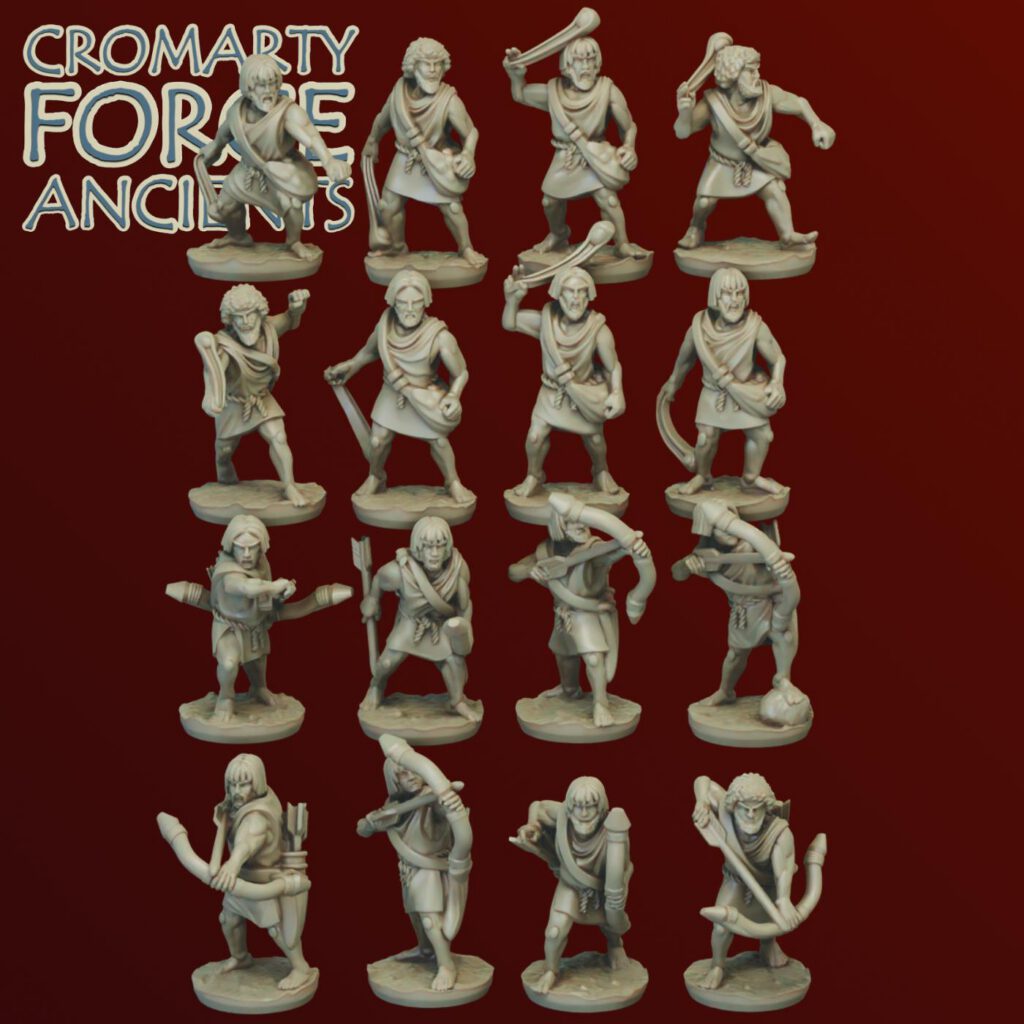
15mm Numidians: Skirmishers (Archers and Slingers)
£6.00
Map credits:
Basemap and geographic features from Natural Earth (naturalearthdata.com). Map built in QGIS.
Historical overlays digitised by the author from historical sources for educational and illustrative use.